Short answer: South Africa is a contractor-led market for agricultural drones: spray contractors, large grain and sugarcane farms, citrus and wine estates and co-operatives buy them, mostly from a small number of brand dealers. Operations fall under SACAA Part 101 (operator certificate and licensed pilots), and spraying services sit under the pest control operator registration of Act 36 of 1947. That leaves room for dealers who can offer heavy-lift drones, parts and service in regions far from the existing shops.
Where the business is: buyers by crop region
| Region (examples) | Main crops | Likely buyer | Drone class |
|---|---|---|---|
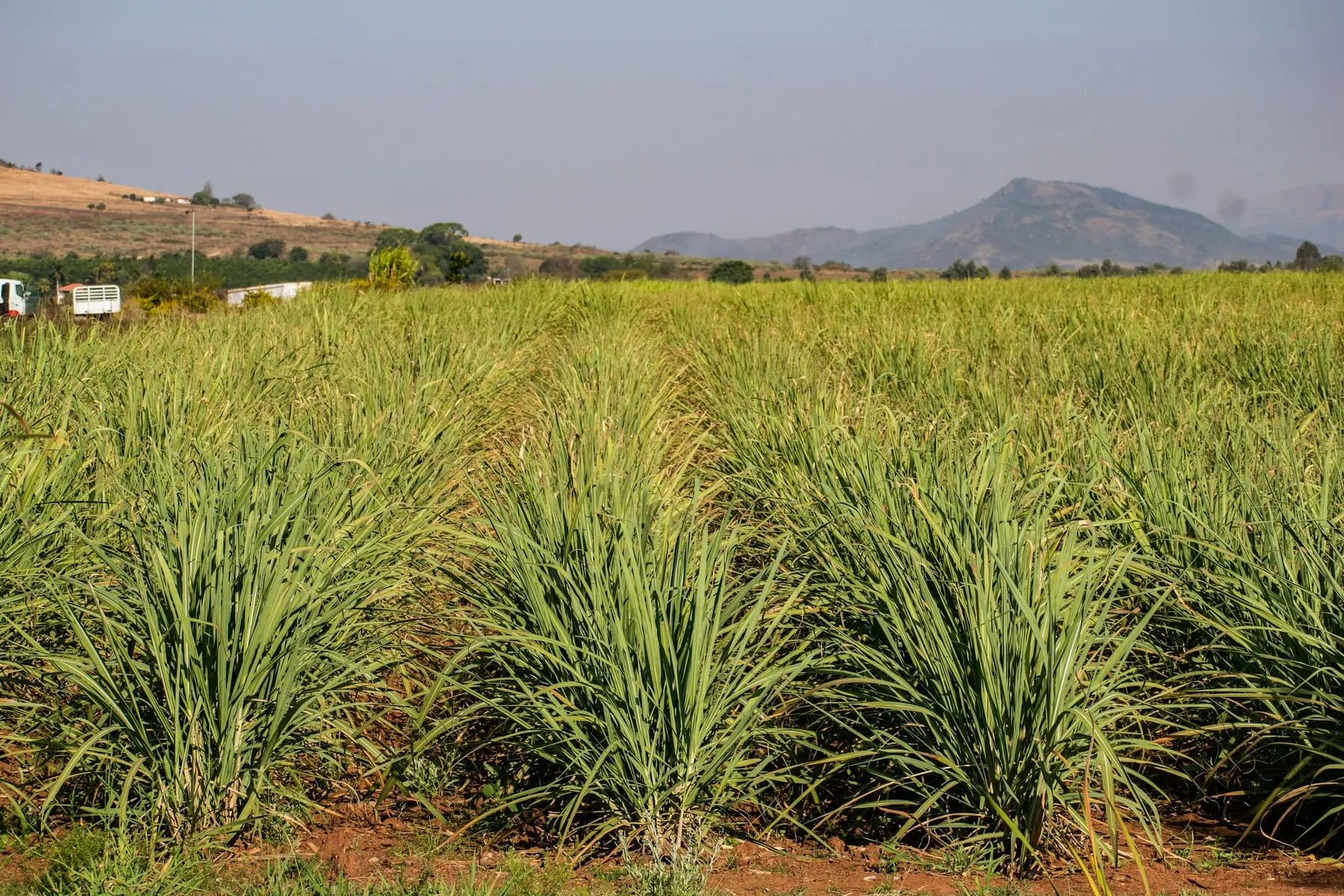
| KwaZulu-Natal, Mpumalanga | Sugarcane | Contractors, estates, grower associations | 100–150 L |
| Free State, North West | Maize, wheat, soybean | Contractors and large grain farms | 60–150 L |
| Limpopo, Eastern Cape | Citrus, subtropical fruit | Estates and packhouse groups | 50–65 L |
| Western Cape | Vineyards, wheat, fruit | Estates, contractors | 30–65 L |
The table describes typical crop areas; it is not a market size estimate. Ask growers in your area which jobs they already hire out: that is where a drone contractor or dealer starts.
The dealer gap
A search for agricultural drones for sale in South Africa shows mostly brand dealers and their online shops. Distance is the weak point: a contractor three provinces away waits for parts and service in the middle of the season. A new dealer can win on local parts, fast repairs and training, not on the drone alone.
Example first-year plan for a regional dealer (planning figures, US$):
| Item | Example |
|---|---|
| Demo set, 100 L class, with batteries, charger, generator | 30,000–38,000 landed |
| Parts shelf for the first 5–10 customer drones | 4,000–8,000 |
| SACAA operator certificate, pilot licensing, insurance | Ask SACAA and your insurer |
| Demo days with grower associations and co-operatives | 2,000–4,000 |
See our profit margin example for how hardware, parts and service add up.
Rules to check
| Topic | Who | What to check |
|---|---|---|
| Drone operations | South African Civil Aviation Authority (SACAA), Part 101 | RPAS operator certificate (ROC), remote pilot licences, aircraft registration and any approvals for spraying operations |
| Spraying as a service | Department of Agriculture, Act 36 of 1947 | Registration as a pest control operator; use of registered agricultural remedies only |
| Imports | SARS customs, clearing agent | Tariff code, duty and VAT for drones, chargers and batteries |
| Radio equipment | ICASA | Whether the drone’s radio link needs type approval |
We do not quote fees or timelines; they change. Ask the authority and your clearing agent before you order.
A first season for a regional dealer
- Before the season: register the company, start the SACAA operator certificate and pilot licences, and agree terms with a supplier.
- Demo machine in time for spraying: one heavy drone plus batteries and a generator, landed before the first spray window of your main crop.
- One contractor partner: fly paid jobs with an established spray contractor or grower association; they bring the customers, you bring the drone and the pilot.
- Keep records: hectares, litres, batteries and any breakdowns, block by block.
- After the season: show the records at grower days and co-operative meetings, and order the mix of sizes that buyers asked for, with a parts shelf for each model.
Which DEWKITE drones fit
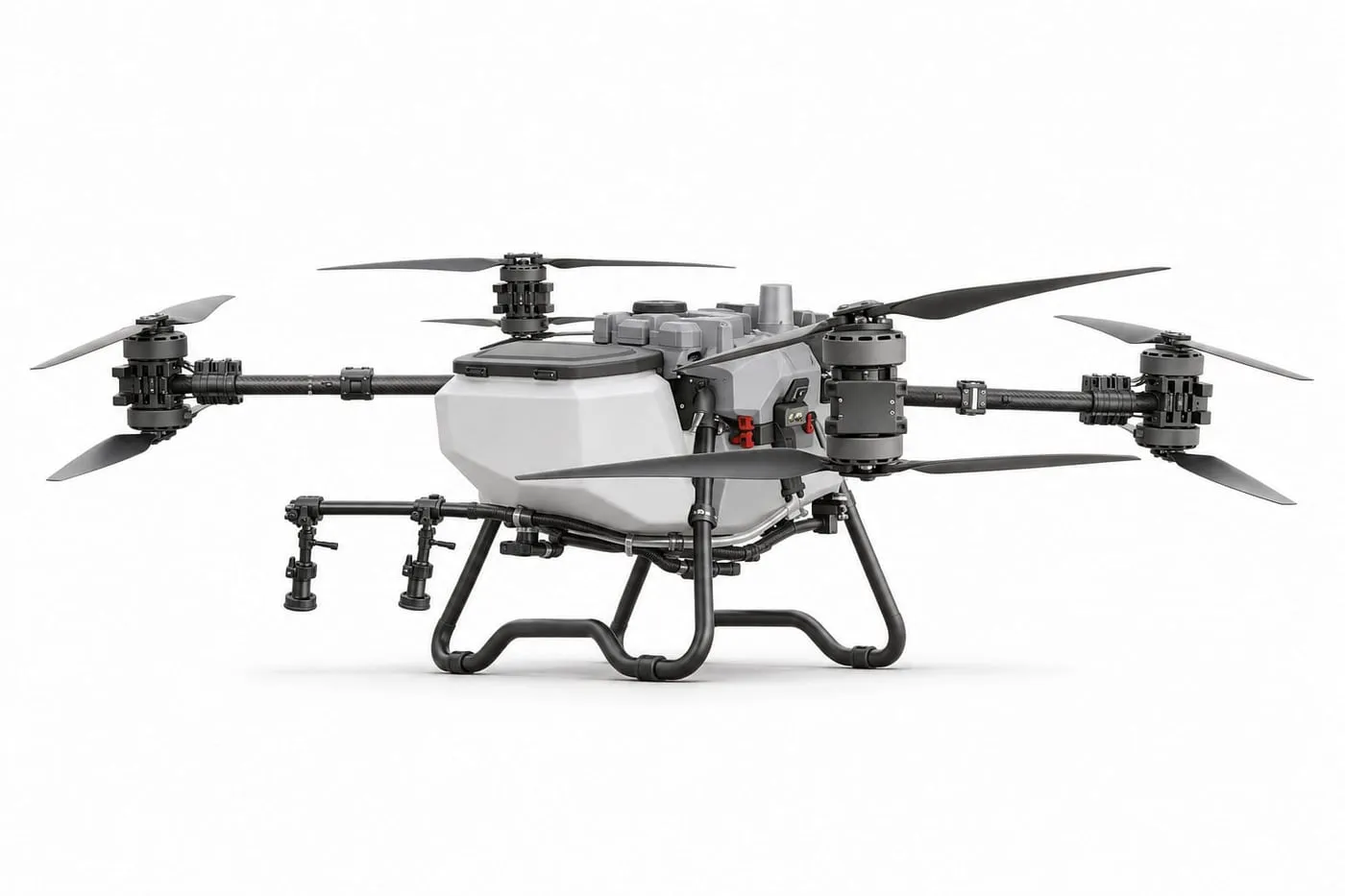
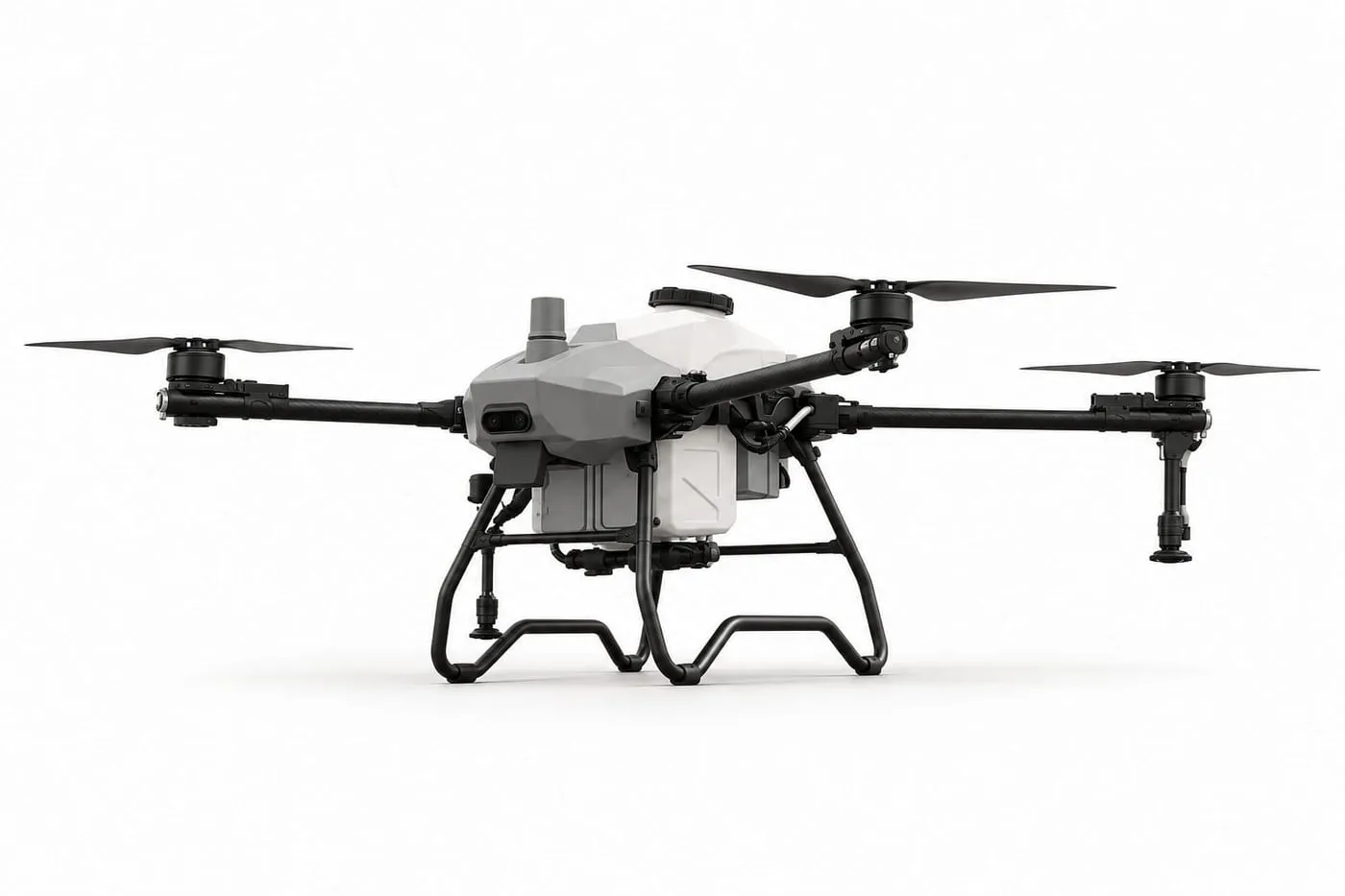
- Agri 150: 150 L spraying, 210 L spreading, for sugarcane and grain contractors on large blocks.
- Agri 100: 100 L on eight rotors, the everyday heavy machine.
- Agri 65 and Agri 50: for citrus, vineyards and mixed farms where handling matters more than tank size.
Our 100-litre guide shows when the big tank pays off. DEWKITE sells from one unit with training and a parts list per model; read the dealer program to start.