Guides
Agricultural Drone Dealer Profit Margin: A Worked Example (2026)
How much does an agricultural drone dealer make? A 2026 worked example with landed cost, selling price, parts and service income, and the costs that eat margin.
- Prepared by
- DEWKITE Sales Team
- Published
- Reading time
- 3 min
- Sources
- 3
Key takeaways
- 1There is no published "standard" dealer margin for agricultural drones; each supplier sets price levels by market and volume.
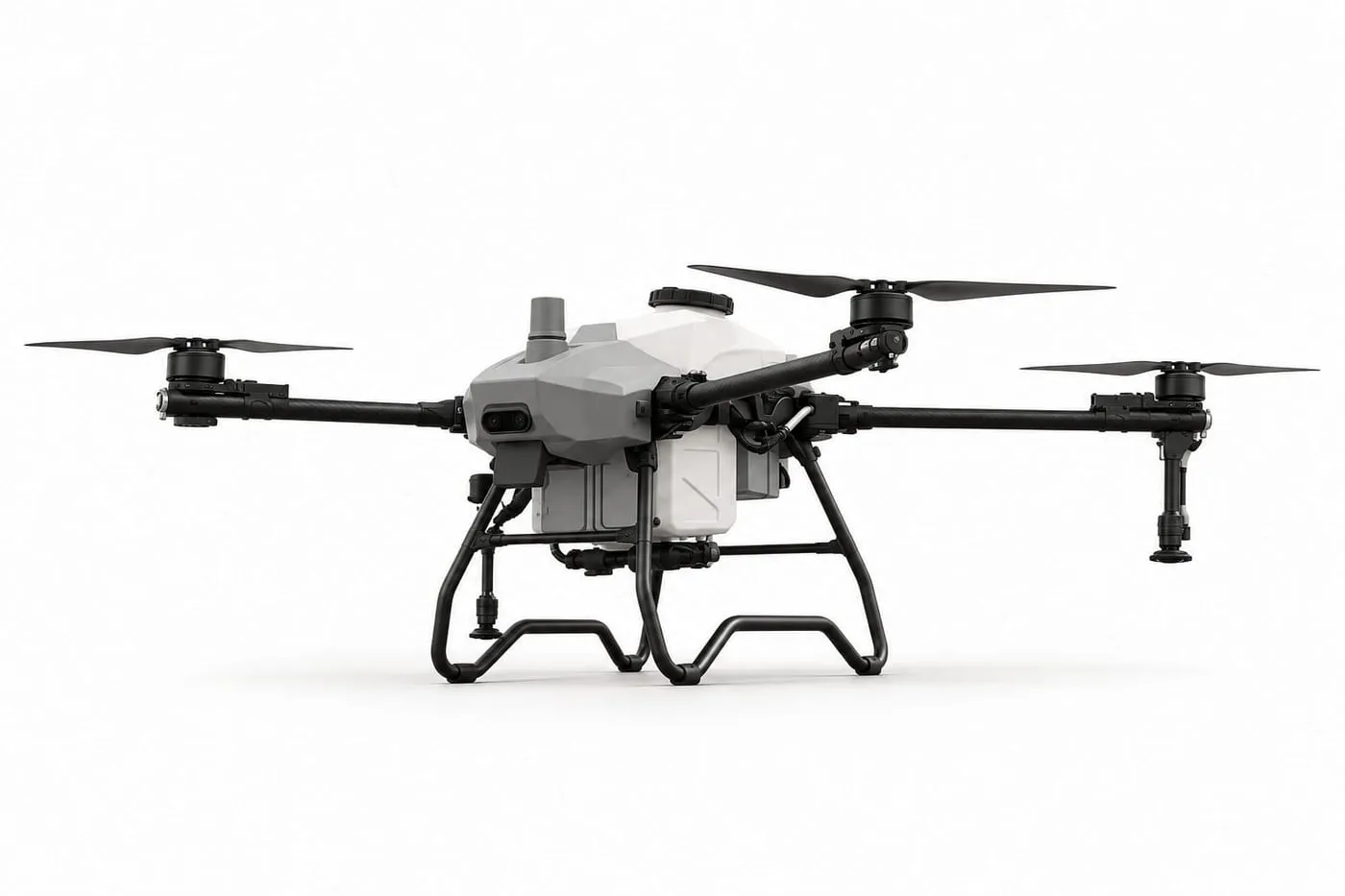
- 2Worked example: a dealer selling 12 drones in the 50 L class in a year makes about US$ 42,000 gross on hardware, plus about US$ 21,000 from parts, repairs and training.
- 3Parts and service often earn a higher percentage than the drone itself and arrive all year, not only in the spray season.
- 4The biggest margin killers are unsold stock at the end of the season, warranty freight and discounts given to win the first customers.
- 5Build your price from the landed cost, not from the FOB price.
Contents
Short answer: An agricultural drone dealer’s margin is not one number. In our 2026 worked example, a dealer selling 12 drones in the 50 L class earns about 20 % gross on the drone and a further third on top from parts, repairs and training. Suppliers do not publish a standard dealer margin, so build your own account from the landed cost, your local selling price and your service income.
The example account
The dollar amounts below are example assumptions, not DEWKITE prices; put your own supplier quote and local selling prices in their place.
| Line | Per drone | 12 drones a year |
|---|---|---|
| FOB price, 50 L class set (drone, 3 battery sets, charger) | 11,500 | 138,000 |
| Freight, insurance, duty, clearing and inland transport (example 22 %) | 2,530 | 30,360 |
| Landed cost | 14,030 | 168,360 |
| Selling price to the customer | 17,500 | 210,000 |
| Gross margin on hardware | 3,470 (about 20 %) | 41,640 |
The FOB figure sits inside the public reference range for this class (see the Agri 50 page). The 22 % landing figure is an example; our landed cost guide shows how to build your own.
Income that does not stop after the sale
| Line | Example per year | How it is earned |
|---|---|---|
| Wear parts (propellers, nozzles, pump parts) | 9,000 | Every machine uses them every season |
| Repairs and crash parts (arms, landing gear, frames) | 6,000 | Parts plus labour after hard landings |
| Training and setup for buyers | 3,600 | 300 per new customer |
| Battery replacements | 2,400 | Cycle-limited items |
| Total, example | 21,000 | Often at a higher percentage margin than hardware |
Add that to the hardware margin and the example dealer makes about US$ 62,600 gross before its own costs.
The costs that eat the margin
| Fixed cost, example | Per year |
|---|---|
| Two staff in the season (pilot and technician), part-time rest of year | 24,000 |
| Workshop, storage, power | 6,000 |
| Demo drone wear, fuel, travel to farms | 5,000 |
| Marketing, trade days | 3,000 |
| Insurance and permits | 2,000 |
| Total | 40,000 |
In this example the business clears about US$ 22,600 in year one. It breaks even after about 7–8 drones once parts and service are counted. Without parts and service it would need almost 12.
Five things that change the result most
- Unsold stock. A drone that waits a whole off-season ties up money. Order after demos, not before.
- Discounts to win the first customers. A 5 % discount on 12 drones removes about a quarter of the hardware margin in this example.
- Warranty logistics. Agree who pays freight on warranty parts; at 12 months on main parts it adds up.
- Exchange rates. If you buy in dollars and sell in local currency, quote with a buffer or a validity date.
- Service pricing. Dealers that give training and repairs away free make the thinnest margins.
How heavier drones change the account
A 100 L machine has a higher price and fewer, bigger buyers: contractors and estates. Unit margin in dollars rises, the number of buyers falls, and parts sales per machine are higher because the machines fly more hectares. Our 100-litre drone guide works through a contractor fleet.
Before you sign
Ask your supplier for price levels by annual volume, the demo unit price, the warranty split and the parts price list. DEWKITE’s dealer program starts at one unit; we put price levels and terms in writing before the first order.
Questions dealers ask
- What is a good profit margin for an agricultural drone dealer?
- Suppliers do not publish a standard figure. In our example the drone itself earns about 20 % of the selling price and parts and service earn more per dollar. Your own figure depends on local competition, volume and how much service you include in the price.
- Is it better to sell drones or to offer spraying services?
- Many dealers do both in the first years. Contract spraying brings cash in the first season and shows growers real results; drone sales grow from there. See our heavy-lift fleet account in the 100-litre guide.
- How many drones does a dealer need to sell to break even?
- In the example below, fixed costs of about US$ 40,000 a year are covered after 7–8 drone sales once parts and service income is counted. Your fixed costs set the real number.
- Do dealers get a discount for volume?
- Usually yes, but the steps differ by supplier. Ask how the price level changes with annual volume, and whether demo units are priced differently.
References
- [1]G1274 Economics of Drone Ownership for Agricultural Spray Applications. University of Missouri Extension.
- [2]Incoterms rules. International Chamber of Commerce.
- [3]E-agriculture in action: drones for agriculture. FAO and ITU.