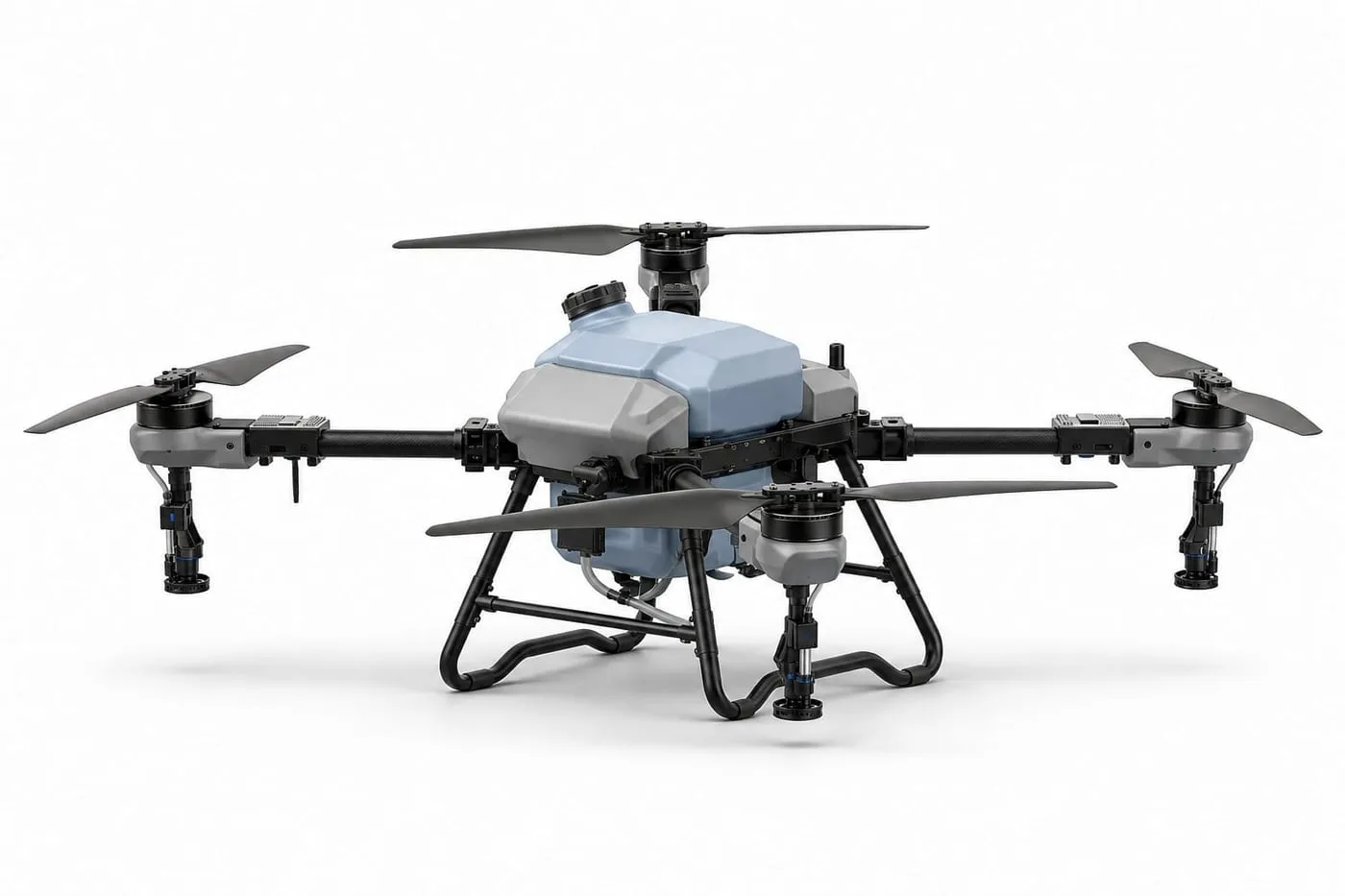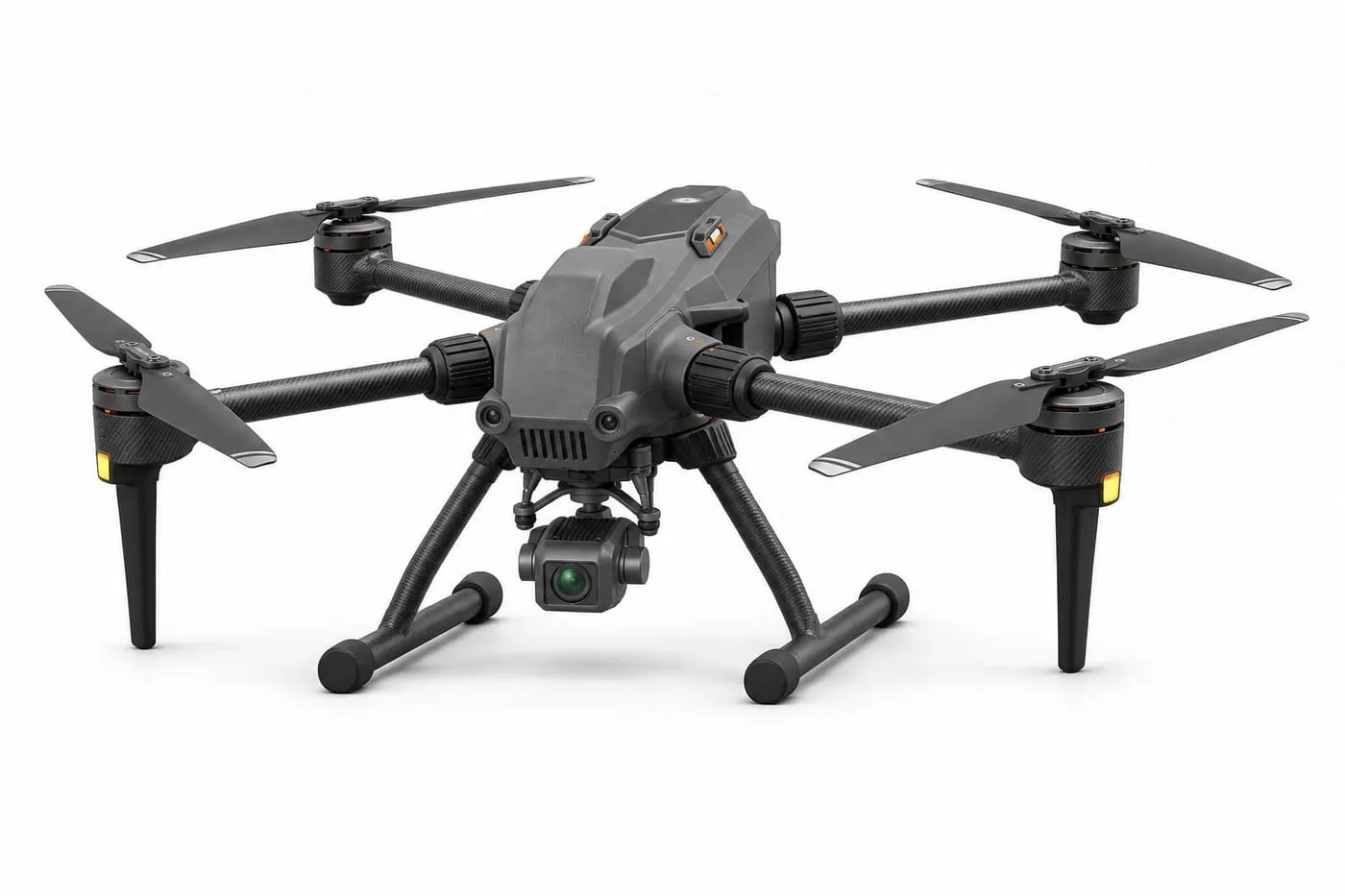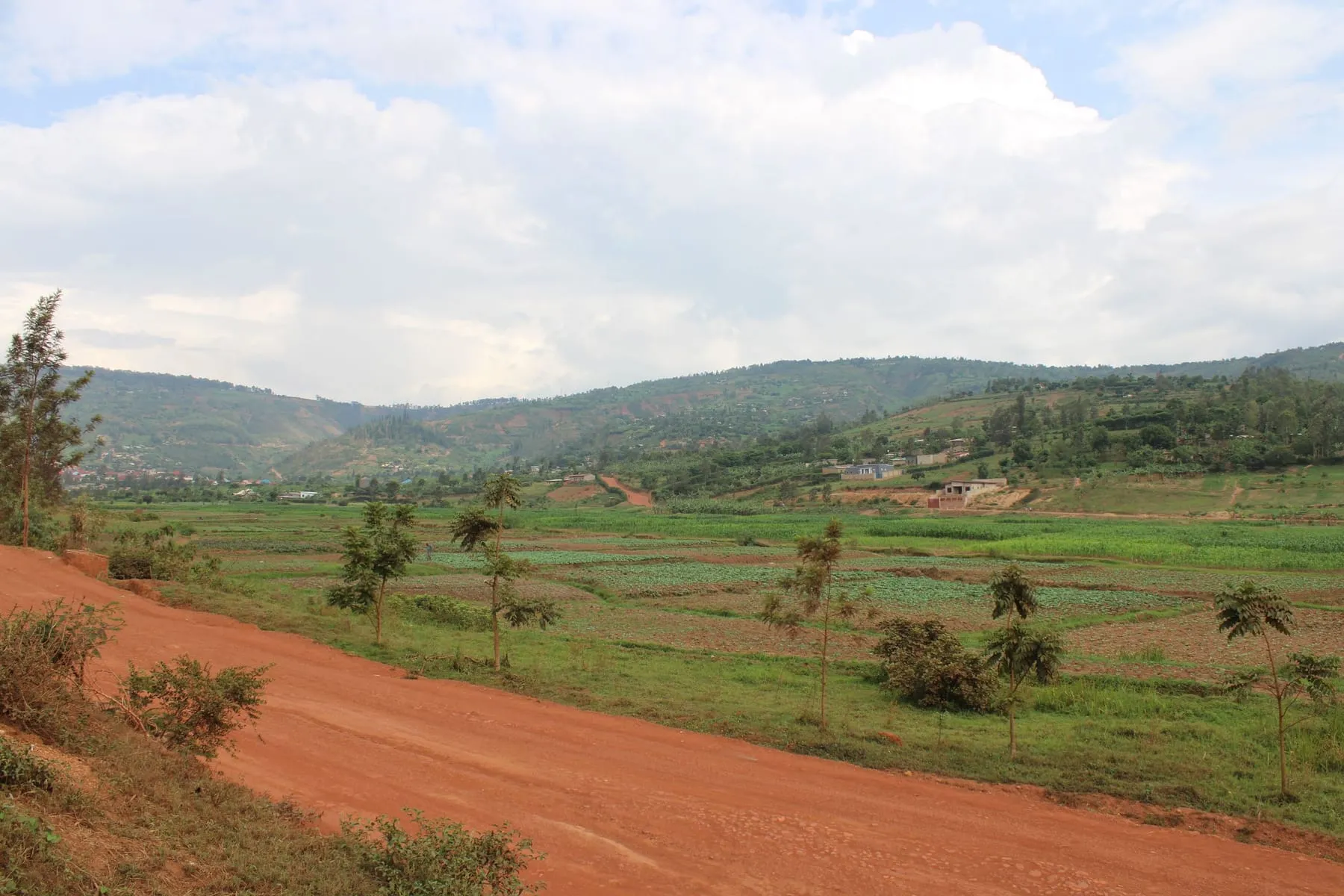
Short answer: Rwanda is a rules-clear but small-plot market for agricultural drones in 2026. RCAA regulates drones under RCAR Part 27, requires an activity permit, and expects drones entering the country to be declared to the Rwanda National Police. Coffee, tea and rice give the demand, and hills mean 30–50 L drones and a service-company model usually work better than large machines.
What does RCAA list?
| RCAA service | What it is for |
|---|---|
| UAS registration | Each aircraft |
| Unmanned operator certificate | The operating company |
| UAS activity permit | Permission for the work before you fly |
| UAS pilot certificate | Each pilot |
| UAS manufacturer acceptance | The maker or model |
| UAS training organisation certificate | A school |
| UAS recreational clubs | Hobby flying |
RCAA also points to an online Drone Portal. Read the live page before you apply, since lists change.
Which crops suit drones?
| Crop | Evidence | Suggested class |
|---|---|---|
| Coffee | 2025 exports 23,860 tonnes, over US$148.6 million (2024: 17,142 tonnes) | Agri 30, Agri 40 |
| Tea | Estate blocks on hills | 30–50 L |
| Rice | Marsh blocks | Agri 50 |
| Inspection | Estates, utilities | Vision 4 |
We do not quote tea numbers because we found no reliable full-year figure.
How much does a drone cover on hills? (example)
Example: an Agri 30 lists 8–12 ha/h. Assume 5 ha/h on steep, small plots including walking and refills. Over a 5-hour day that is 25 ha, enough for about 25 one-hectare coffee plots if travel is short. These are assumptions, so run a trial block.
How do pesticide rules affect a spraying business?
Pesticides must be registered; the process involves RICA approval and RAB trials, and reports describe it as long. Use products that are already registered for the crop, and ask the authorities before you plan a new product.
What does a realistic dealer plan look like?
- Ask RCAA about permits and the Drone Portal.
- Declare the demo drone on entry.
- Train a pilot and a technician.
- Run trial blocks with a cooperative and a tea or coffee estate.
- Order two drones plus spare parts.
The government is reported to be setting up a drone operation centre, which shows policy support for drones generally. Read the dealer program for sample, training and parts terms.
Is a big drone worth it in Rwanda?
Only on marsh rice or concentrated tea blocks. Elsewhere plot size makes 30–50 L machines the safer start.
Is there a market beyond spraying?
Yes, and it helps the business case. Estates and utilities use inspection drones such as the Vision 4 for lines and large sites, and a service company that owns both spraying and inspection machines keeps its crew busy outside the spray season. Rwanda is also known for drone delivery, so the public is used to drones in the sky, which makes landowner and community conversations easier than in countries where drones are new. Do not assume that fame translates into permits: each activity still needs its own RCAA activity permit.
What should a dealer budget? (example)
Example first-year budget: US$1,000–2,000 for company set-up and permit applications, US$15,000–25,000 landed for one demo drone with batteries, a generator and a parts kit, and a small allowance for a trial season of fuel and travel. Rwandan plots are small and roads are good, so one van and one trained pilot cover a lot of ground. Hectares per day will be lower than in flat countries; plan on contracts of many small blocks rather than a few big ones, and quote per-visit minimums so that short jobs still pay for travel.
Who are the first customers?
Coffee washing stations and cooperatives that already organise farmers, tea factories with outgrower schemes, and rice cooperatives in marshland. Each one has a person who decides on spraying services, so start by asking them for a trial block rather than selling a drone to a single farmer.