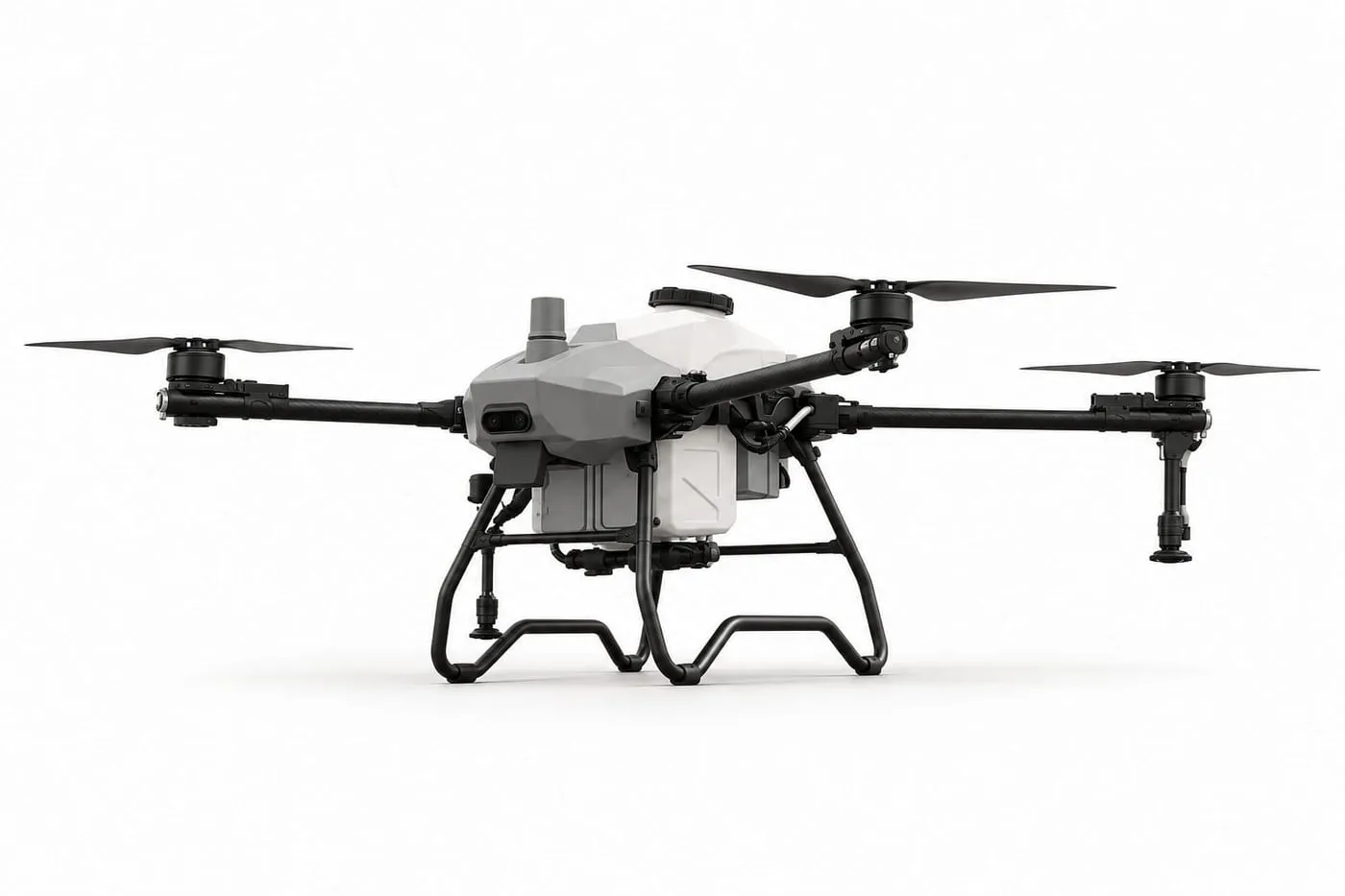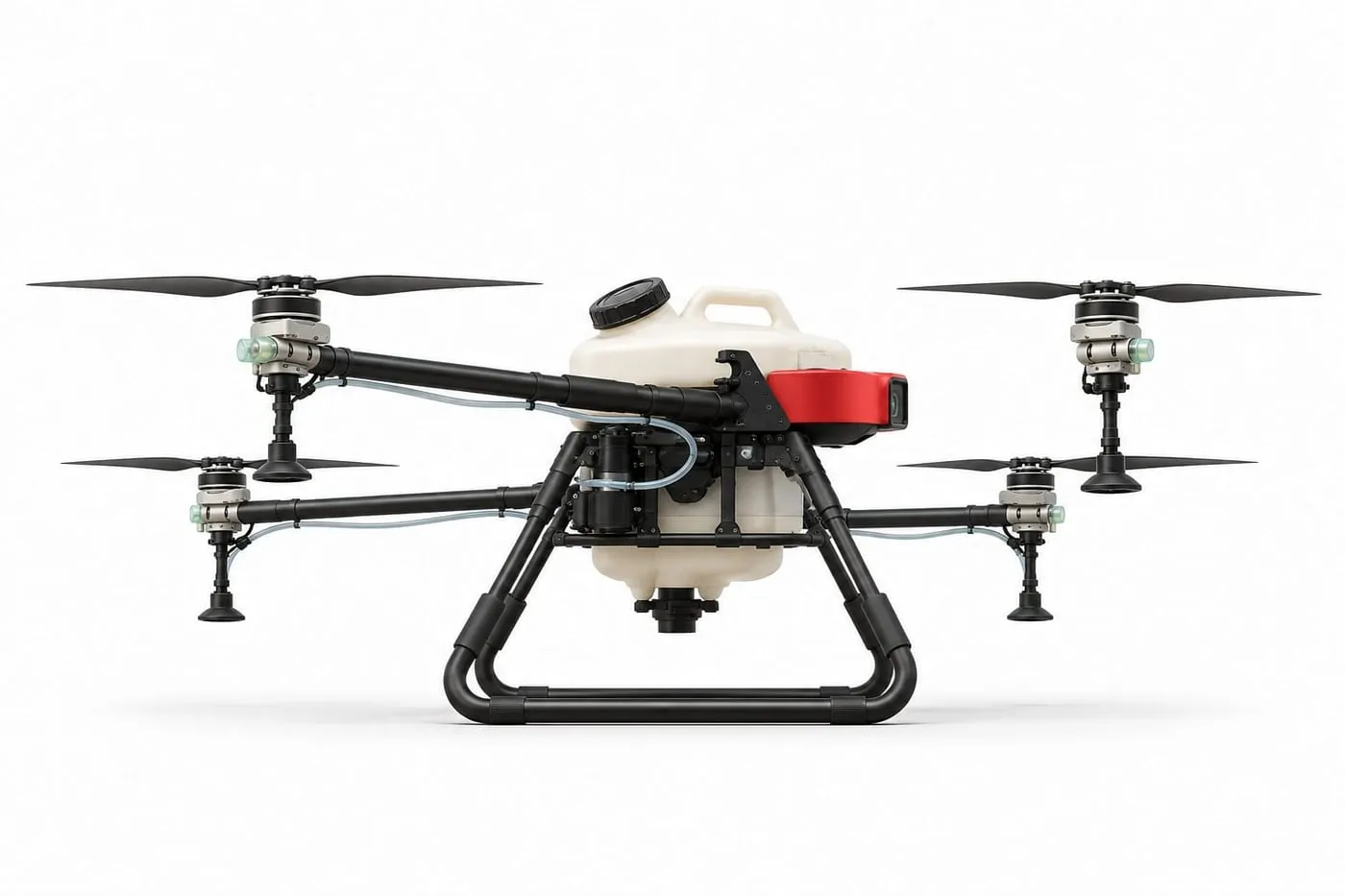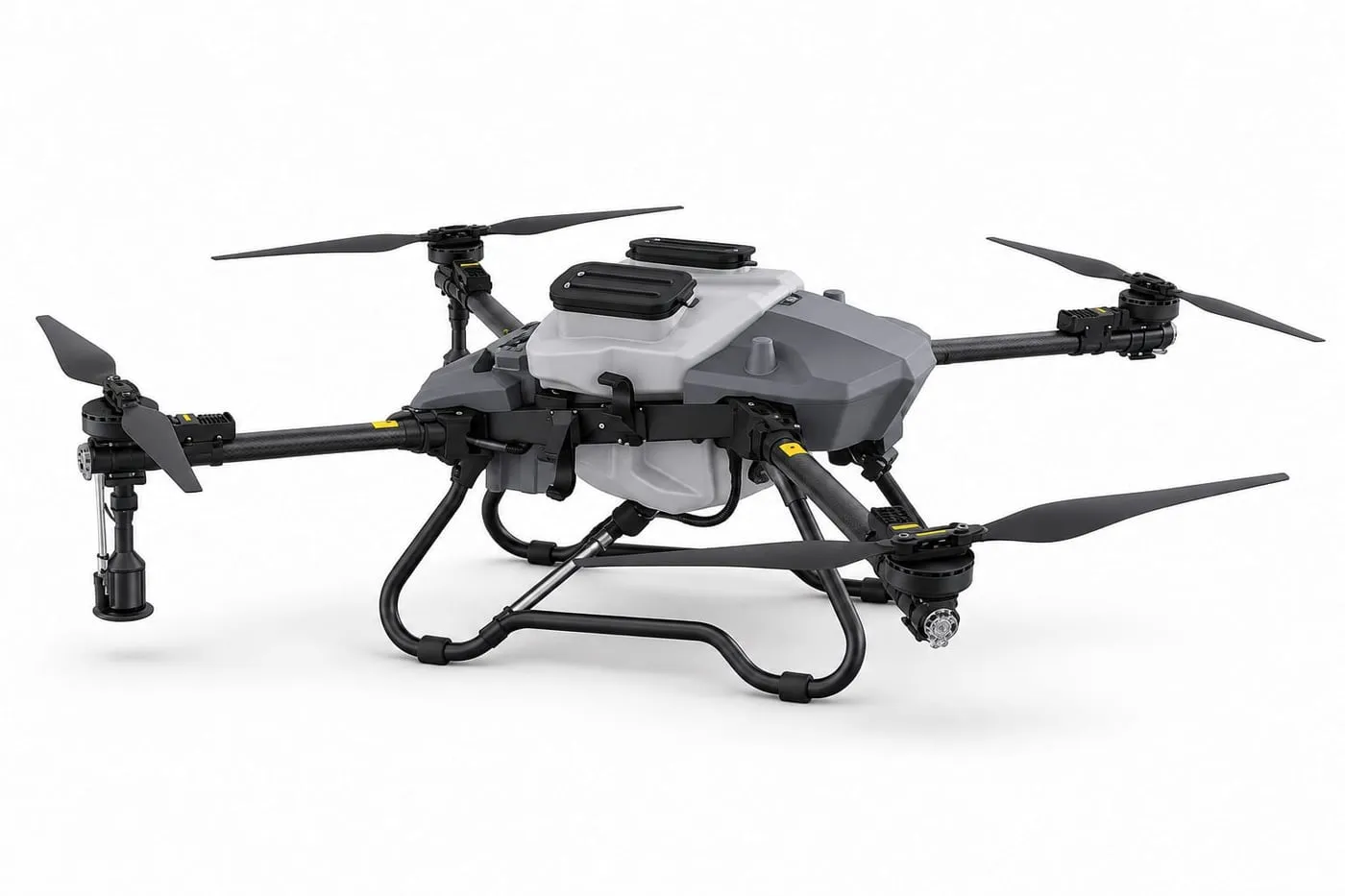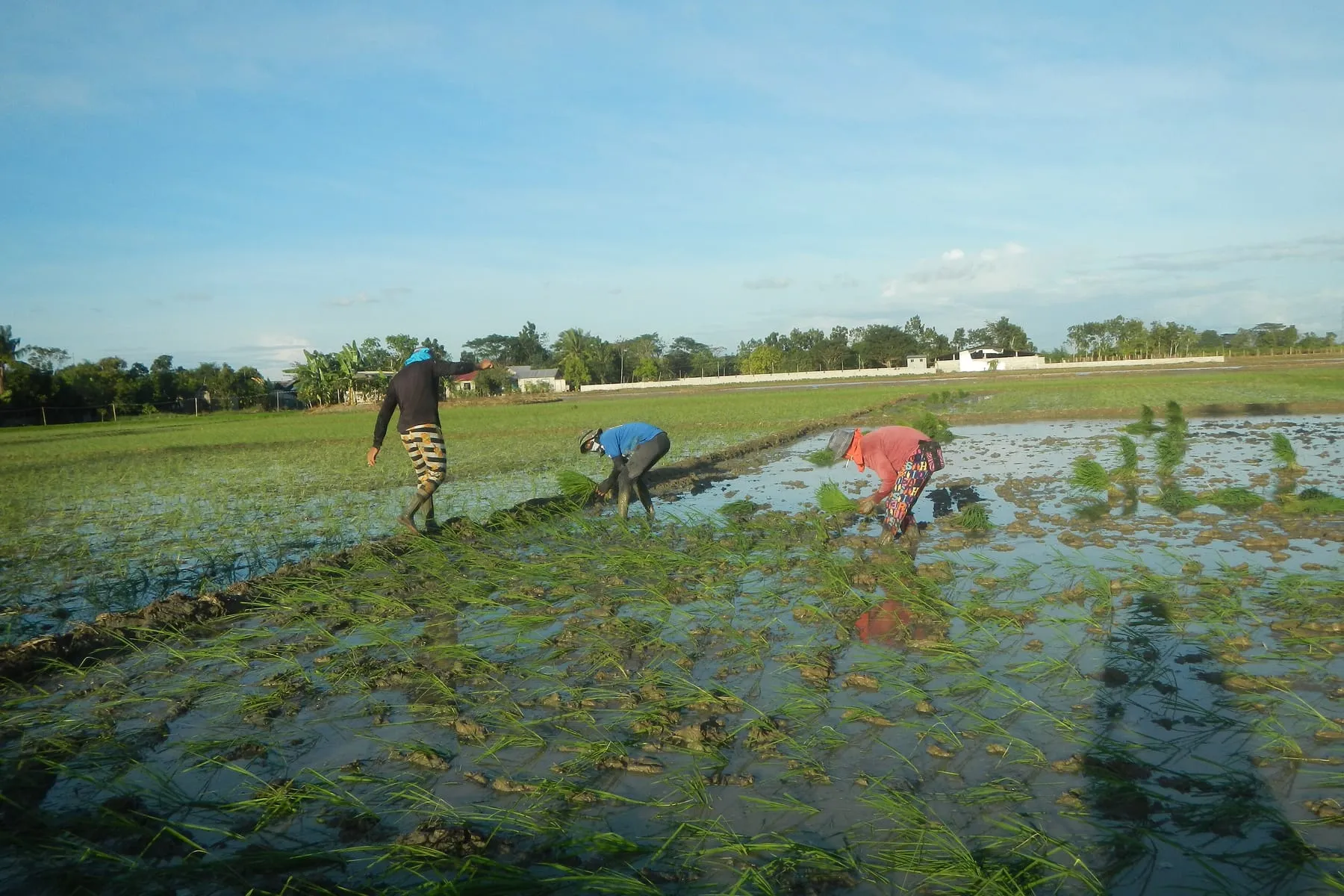
Short answer: Nueva Ecija is the centre of Philippine rice research and one of its biggest producers, so the people who can judge a spray drone are already in the province. What is missing, on the FPA list of 31 October 2026, is any licensed drone operator in Luzon. The buyer to watch is the cooperative with machinery experience, not the single farmer. National steps are on the Philippines page.
Which four places matter in the province?
| Place | Why it matters | Source |
|---|---|---|
| PhilRice, Science City of Muñoz | Rice research; its farm tour introduced drones to about 600 Luzon farmers | DA-PhilRice |
| Central Luzon State University | Partner in the weeding trial, in the same city | DA-PhilRice |
| Talabutab Norte cooperative, General Mamerto Natividad | Members farm 7,941 ha; 3,256 farmers | Daily Tribune |
| Cabanatuan City | Hosted a farm-machinery showing in December 2024 | GMA Regional TV |
What did the drone weeding trial show?
A 20 L/ha drone pass gave 80–100% weed control without crop damage, with yield like a knapsack sprayer. PhilRice, Central Luzon State University and a DA research station tested herbicide in direct-seeded rice, comparing 20 and 40 L/ha, and published the result on 6 October 2025. The page does not name the fields. A PhilRice farm-tour page also says drones may cut pesticide use by 30–40% according to research it cites; we did not find the year of that event. Use both as trial claims.
Who will buy: farmer, cooperative or contractor?
The Daily Tribune reported on 8 November 2026 that Talabutab Norte received a rice processing system worth PHP 65.58 million (about US$ 1.0 million at around PHP 64 per US$) under the national mechanisation fund, with three recirculating dryers and a milling rate of 2–3 tonnes an hour. A cooperative that manages dryers and mills already runs shared machinery, so it fits the pattern of a drone buyer or a drone customer. DA-PCC and PhilMech webpages in the search results show government interest too, but we did not use them for facts. See the cooperative guide and the rice drone guide.
What does a cooperative season look like? (Example)
Assumptions, not quotes: a cooperative serving all 7,941 ha, two sprays per season, an Agri 50 at the listed 22 ha/h, six flying hours a day.
| Line | Working | Result |
|---|---|---|
| Hectare-passes | 7,941 × 2 | 15,882 |
| Flying hours | 15,882 ÷ 22 | about 722 h |
| Drone-days | 722 ÷ 6 | about 120 |
| With four drones | 120 ÷ 4 | about 30 days |
Not every member would buy the service, so a real plan starts with a part of the area. With the PHP 2,000 per hectare voucher used on the country page, 1,000 ha of sprayed area would be PHP 2,000,000 of voucher value, subject to the scheme’s terms.
Why is Nueva Ecija called the rice granary?
DA data for the first quarter of 2022 gave the province 246,758 tonnes of palay, 31.9% of Central Luzon. That is an old quarter, so use it as scale only. For fertiliser or seed work, the Agri 30R and 50R are worth a look, and the dealer programme starts at one unit.