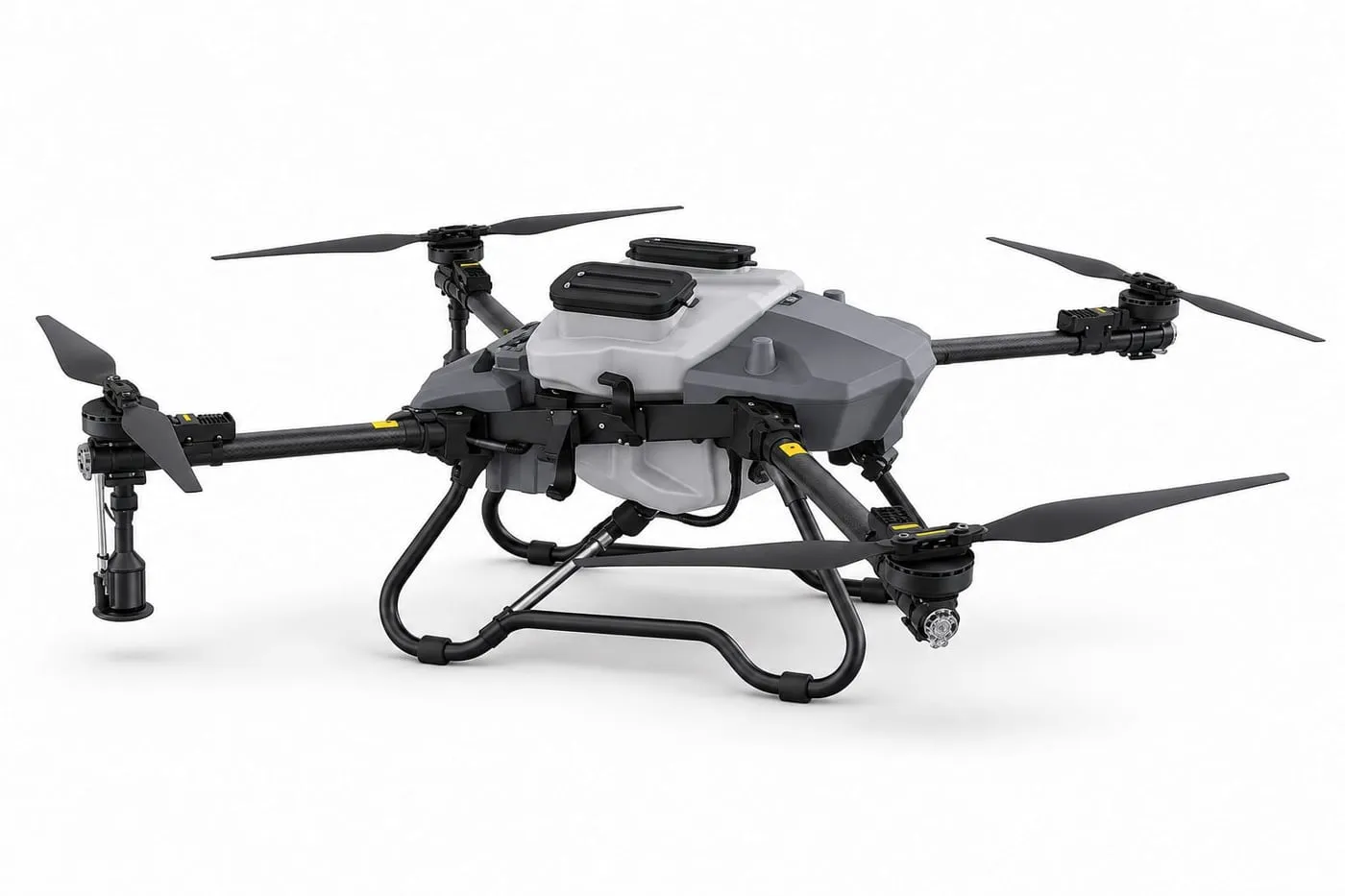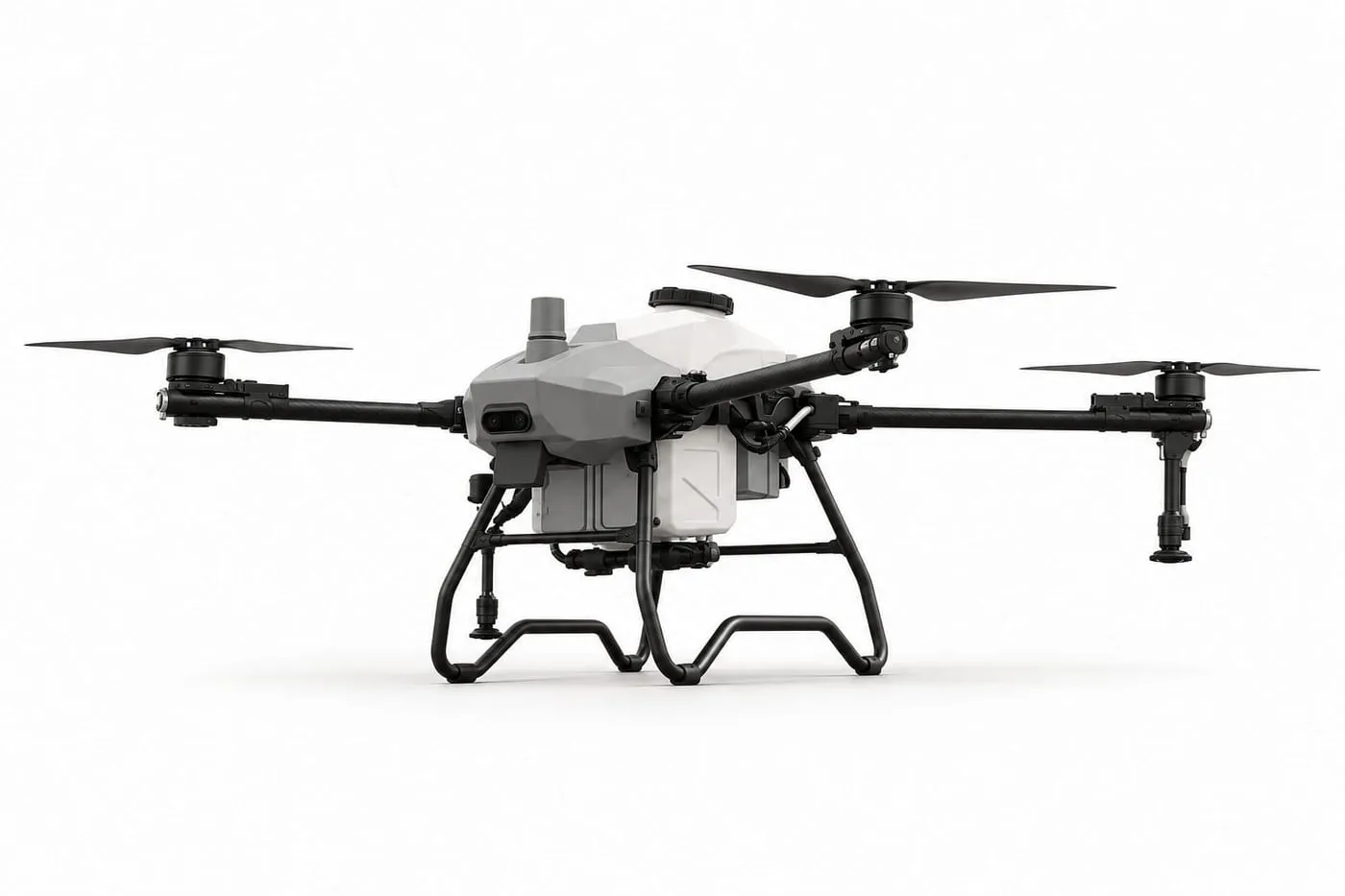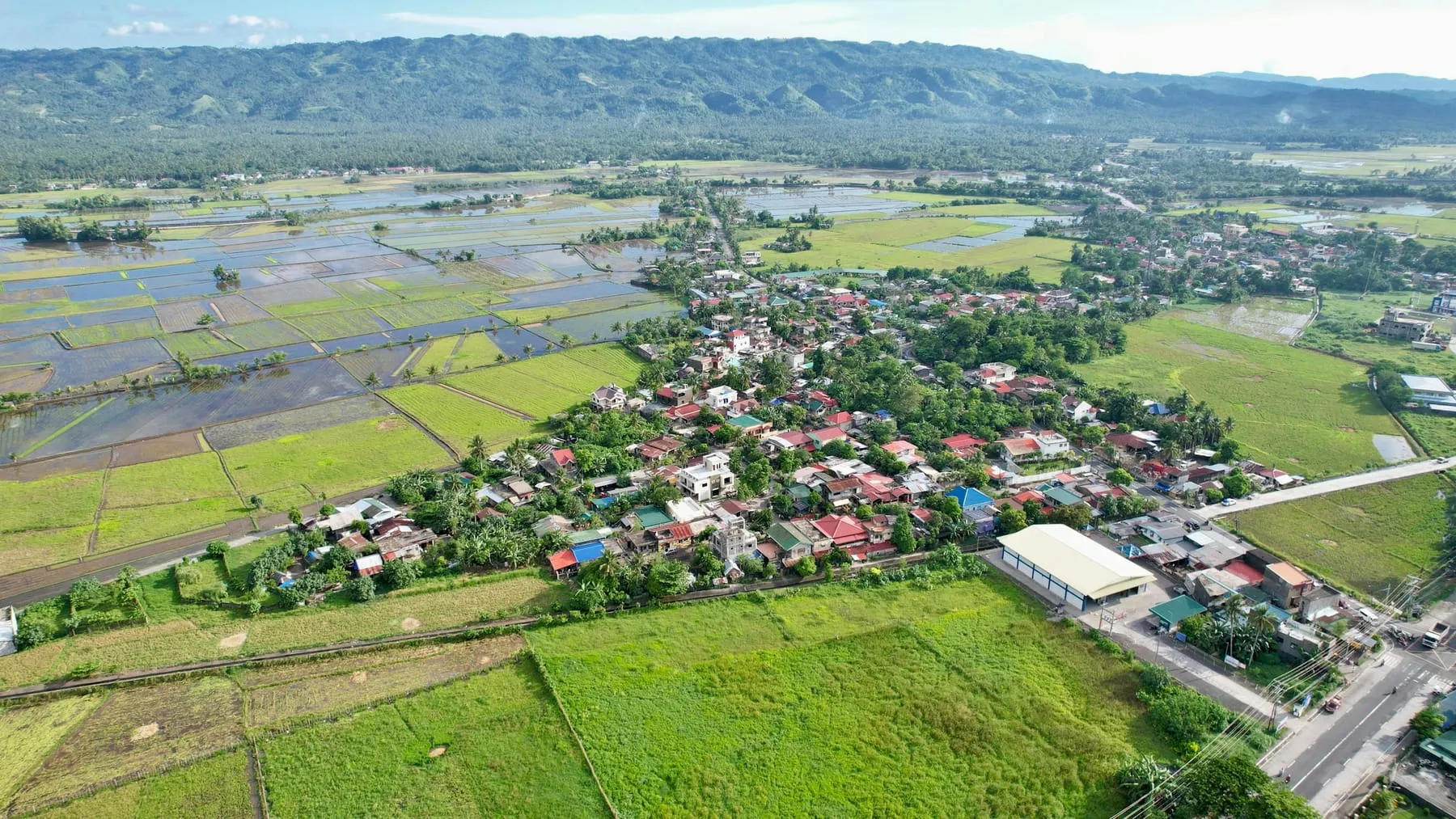
Short answer: In the Philippines in 2026 a drone dealer sells mainly to cooperatives and spraying-service operators, not to single farmers. The Department of Agriculture (DA) built its Drones4Rice scheme around vouchers of PHP 2,000 per hectare for rice clusters, irrigators’ associations and cooperatives, and the DA does not buy the drones itself. A spraying business needs an FPA drone spraying operator licence, which asks for a valid RPAS Operator Certificate, and the FPA’s list of 31 October 2026 shows only seven licensed operators.
A cooperative’s season account (example)
Example: a cooperative buys one drone and sells spraying to its members. The figures are planning assumptions, not quotes, and the voucher terms come from the DA’s November 2024 announcement, so check which programme year is running.
| Line | Example |
|---|---|
| Area served in one season | 500 ha (assumption) |
| Voucher value | PHP 2,000 per ha (DA, November 2024) |
| Voucher income | 500 × PHP 2,000 = PHP 1,000,000, about US$ 15,700 |
| FPA licence, first year | PHP 2,000 application + PHP 25,500 licence = PHP 27,500, about US$ 430 |
| Machine, reference FOB | Agri 30 US$ 3,000–7,100 or Agri 50 US$ 8,900–21,100, about PHP 191,000 to 1.35 million |
Conversions use 25 Nov 2026 rates (US$ 1 = PHP 63.77), for reference. The hectares a drone really covers decide the income, so test the 500 ha against our hectares per hour guide.
Do you need an FPA licence to run a drone spraying business?
Yes. The Fertilizer and Pesticide Authority (FPA) licenses drone spraying operators, and its checklist for a new licence asks for:
- the FPA application form (PRD-F1.28), notarised;
- SEC registration with drone spraying in the primary purpose, or DTI registration, or CDA registration for a cooperative;
- a BIR registration certificate;
- a valid RPAS Operator Certificate;
- the fees: PHP 2,000 for the application (new licences only) and PHP 25,500 for the licence.
The licence runs for three years. To renew, the operator files a Drone Spray Final Report that records, for each job, the date and time, the FPA IDs of the pilot and the spray supervisor, the farmer and GPS location, the area, the product and its active ingredient, the dose, the drone model and its CAAP registration number, protective equipment, notice given to the barangay or school, buffer zones, warning signs and how rinse water was collected and disposed of. A dealer who hands customers a ready-made record sheet helps them keep the licence.
Who regulates what? Three bodies and one subsidy
| Body | What it handles | Note |
|---|---|---|
| Civil Aviation Authority of the Philippines (CAAP) and Civil Aeronautics Board (CAB) | Registration of commercial drones, air-traffic coordination, flight permits | As the FPA describes it after its March 2026 inter-agency meeting |
| FPA | Pesticide registration, safe use, drone spraying operator licences | Memorandum Circular No. 2024-25 covers pesticide application by RPAS |
| DA | Drones4Rice vouchers | Announced on 20 November 2024 |
On 10 March 2026 the FPA met CAAP and CAB and said it will draft a new circular on night flights, flight permits, pilot licensing, terminology and safety. CAAP’s website showed a maintenance page on 25 Nov 2026, so we could not read its operator certificate steps. Confirm those with CAAP, and radio and customs rules with the NTC and your customs broker.
Where are the licensed operators?
The FPA’s list of licensed drone spray operators, as of 31 October 2026, has seven names: six in Region XI (Davao Region) and one in Region VI (Western Visayas). No Luzon operator appears. In a rice province with no licensed operator, a cooperative has to become one first and then needs a drone. See our planned pages for Davao and Nueva Ecija.
Who buys: cooperatives and service providers, not single farmers
The DA’s announcement named rice clusters, irrigators’ associations, farmer cooperatives and associations, SWISAs and agrarian reform beneficiary organisations as the voucher audience, with about PHP 300 million for the National Rice Programme, and said the DA does not buy drones directly. Cooperatives register with the Cooperative Development Authority, and the FPA accepts CDA registration in its licence checklist. PHilMech runs a mechanisation programme, RCEF, that equips farmer organisations with machines. A dealer who helps a cooperative through the licence, the voucher paperwork and the first season sells more than a drone.
What do the crops look like?
| Crop | Fact | Machine to look at |
|---|---|---|
| Rice | The main season is about 60% of annual output and the dry season about 40%; FAO’s forecast for 2025/26 paddy is 19.7 million tonnes | Agri 30, Agri 50; the Agri 30R and 50R for spreading fertiliser or seed |
| Banana | The Philippines regained second place among banana exporters (DA, February 2026); TR4 disease has hit about 15,500 ha in the Davao Region | Agri 50, Agri 65 for plantation blocks |
| Coconut | About 3.5 million farmers on about 3.6 million hectares (DA) | Ask first which jobs growers already pay for |
FAO’s brief also reports super typhoons in October and November 2025 across Luzon and the Visayas, so stock spare parts early and check insurance. The main port in our research is Manila, where the Philippine Ports Authority oversees the terminals; your customs broker confirms the route. Read the dealer program for how a first order works.