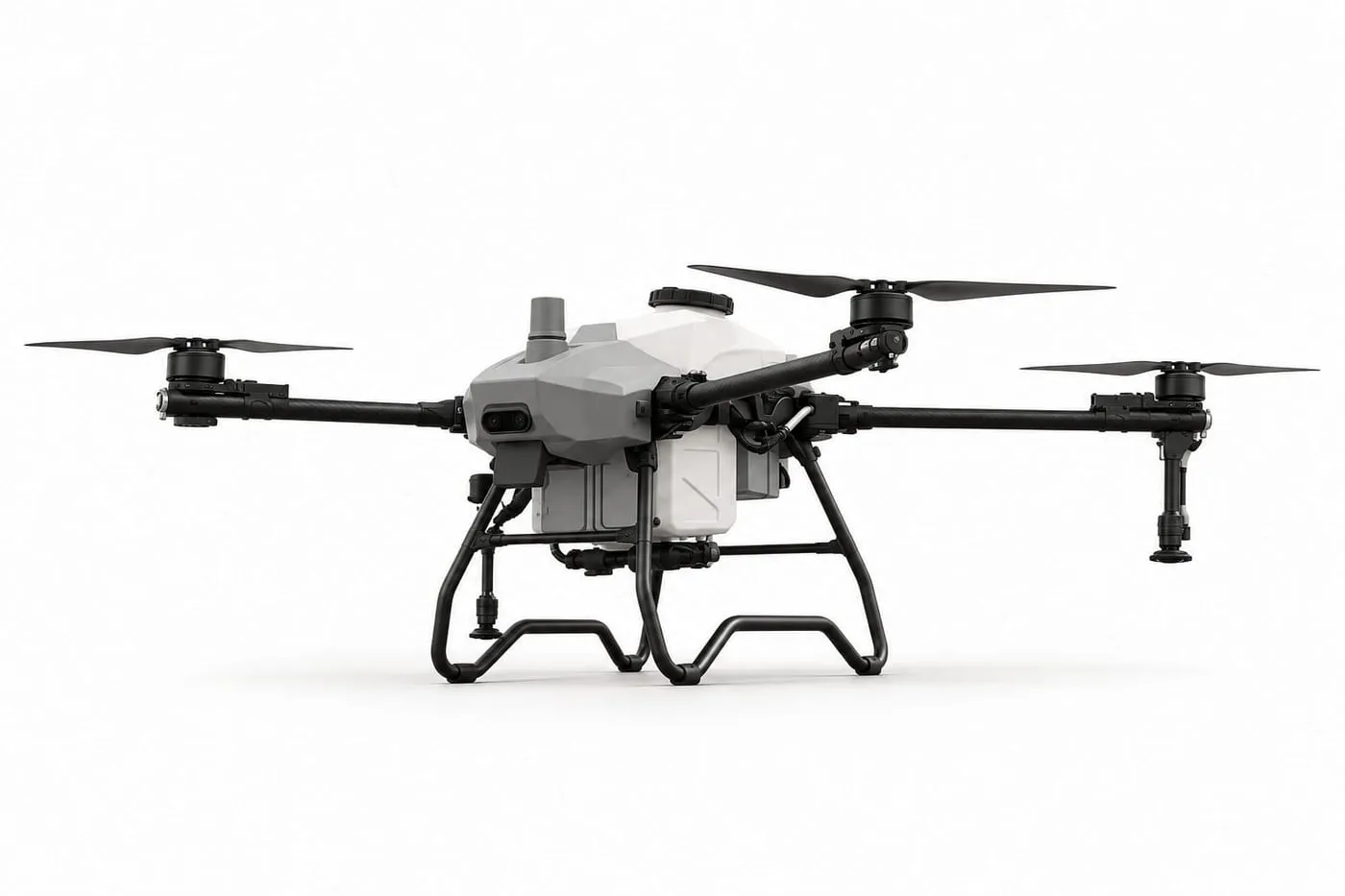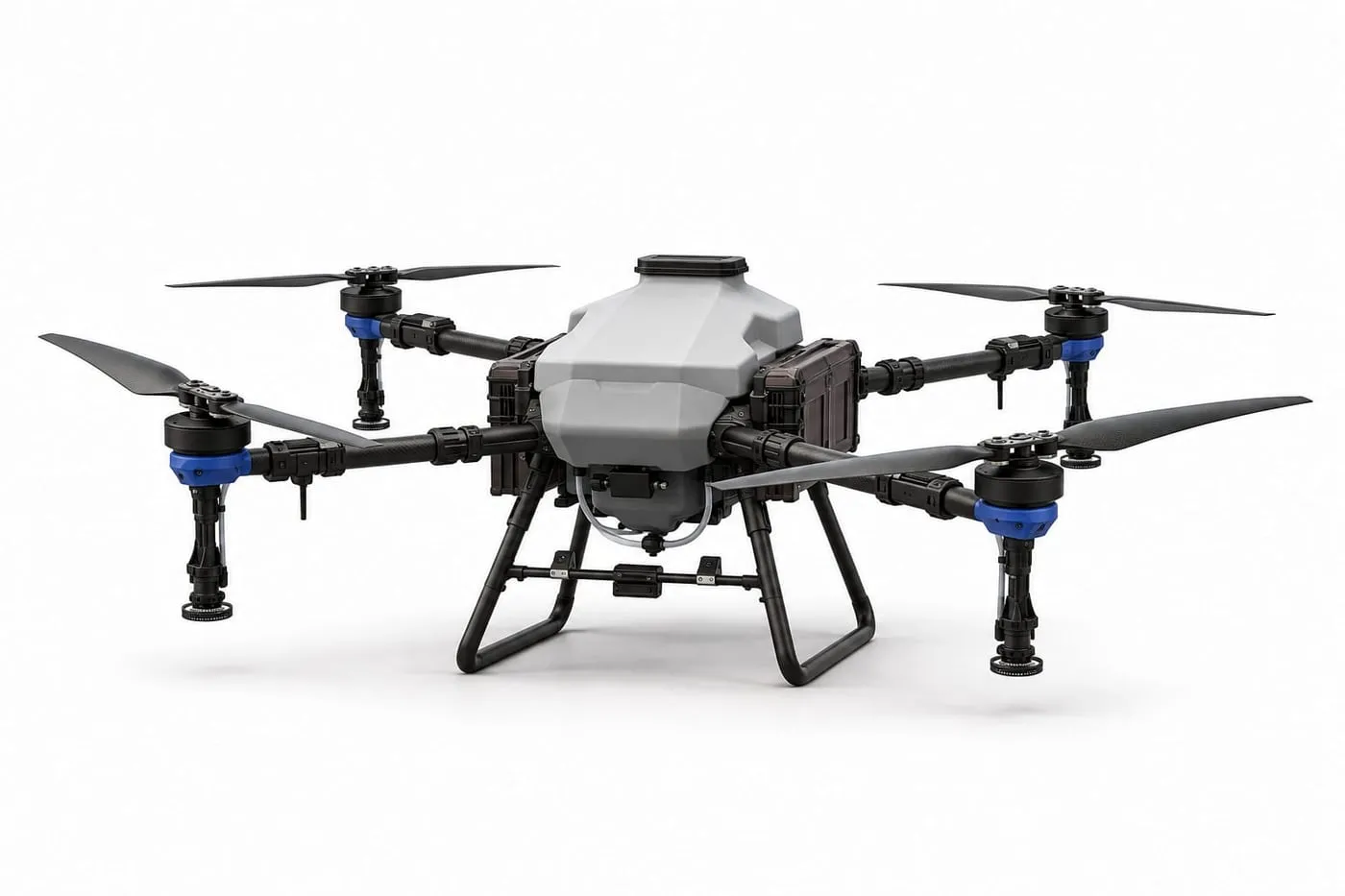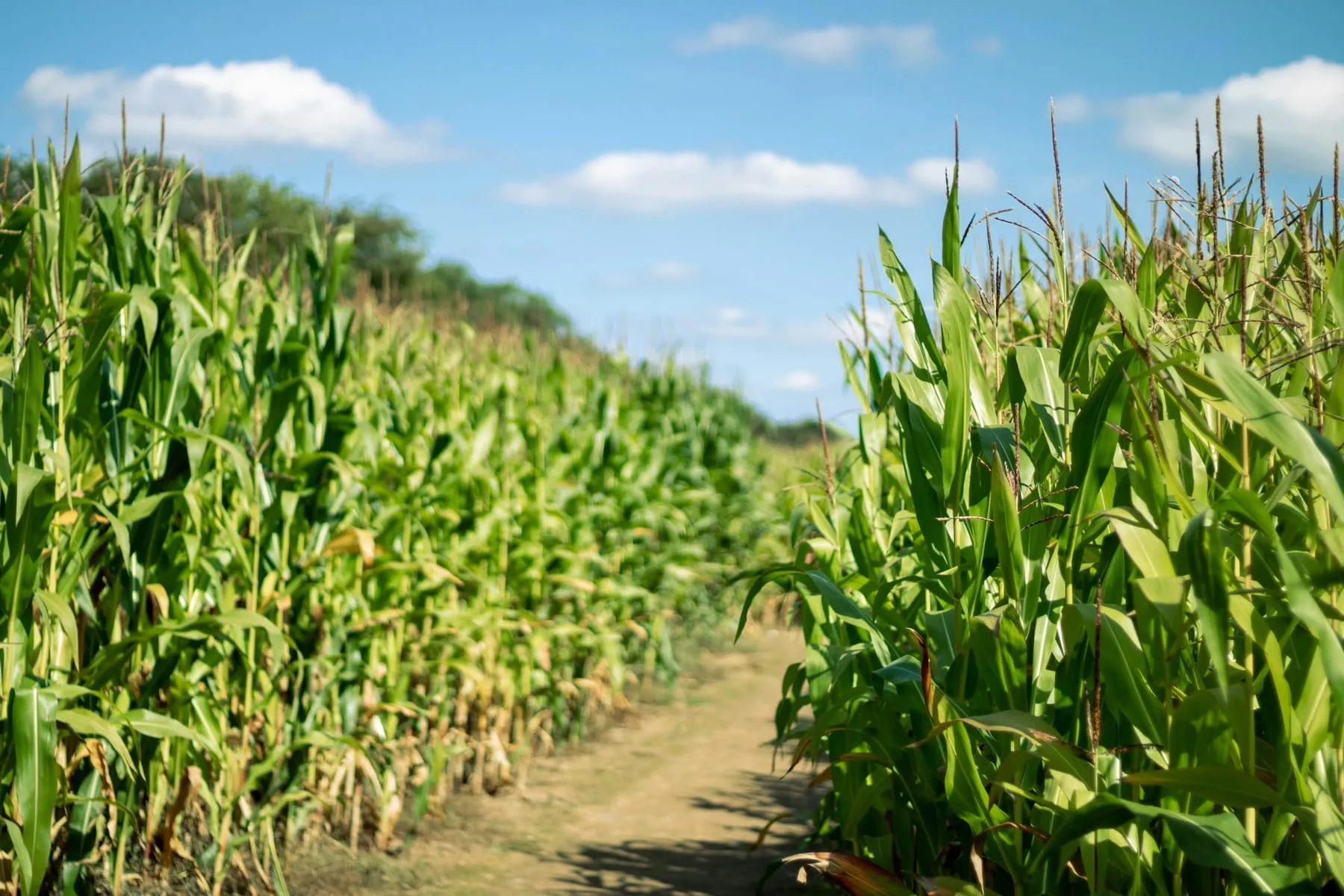
Short answer: An agricultural drone business in Nigeria in 2026 is mostly a service-and-dealer business: start-ups and contractors sell spraying by the hectare to rice, maize and other growers, and a dealer supplies them with drones, training and parts. Drones are regulated by the NCAA through its RPAS portal; imports start with Form M at an authorised dealer bank, and some products need SONCAP. Start with one demo drone and paid contract work, then order.
The first-year account (example)
| Stage | What happens | Example spend (US$) |
|---|---|---|
| Months 1–2 | Register company, ask NCAA about drone registration and operator permits, choose supplier | 1,500–3,000 |
| Months 2–4 | Form M, shipment of one demo drone set with batteries, charger, generator and parts | 18,000–30,000 landed |
| Months 4–5 | Training of one pilot and one technician; trial blocks on partner farms | Often included by supplier |
| Wet season | Paid contract spraying for growers and out-grower schemes | Earns back part of the demo cost |
| After season | First order of 2–4 drones with parts for customers who saw results | Depends on mix |
All figures are planning examples, not quotes. Build your own with our landed cost guide.
Who buys agricultural drones in Nigeria
- Spray-service start-ups. Young companies that sell spraying to many small farms. They need tough, repairable drones and quick parts.
- Large farms and estates. Rice, maize, sugarcane and oil palm operations that want their own drone and trained staff.
- Out-grower schemes and processors. Companies that support thousands of smallholders and hire or buy drones for coordinated spraying.
- Programmes and projects. State and development-funded agricultural programmes that buy through tenders; see our tender guide.
Rules to check before you start
| Topic | Who | What to ask |
|---|---|---|
| Drone registration and operations | Nigerian Civil Aviation Authority (NCAA), RPAS portal | Registration of each drone, operator permit, pilot requirements, any dealer or importer rules |
| Imports | Authorised dealer bank, customs, clearing agent | Form M, tariff code, duty and VAT for drones and batteries |
| Product conformity | Standards Organisation of Nigeria (SON) | Whether SONCAP applies to the drone, charger or generator |
| Pesticides | NAFDAC | Which products are registered; who may apply them |
We do not list duty rates or fees here because they change; your clearing agent and the authorities confirm them.
Which drones fit Nigerian conditions
| Situation | Suggested class | DEWKITE models |
|---|---|---|
| Smallholder areas, many short fields | 30–50 L | Agri 50, Agri 30 |
| Contractors on rice and maize schemes | 60–100 L | Agri 65, Agri 100 |
| Little grid power at the field | Hybrid | Agri 60H |
| Granular fertiliser and seed | Spreading kit | Agri 65, Agri 100 |
Power is the practical limit. A battery drone needs a generator and fuel at the field edge every day; budget for it from the start.
Running a dealership: what makes the difference
- Parts on the shelf in the country. A drone waiting weeks for a propeller set in the wet season loses you the customer. See our spare parts list.
- Training as a product. Charge for pilot and technician training; it builds trust and income.
- Payment terms that match farmers. Many growers pay after harvest. Contract spraying and cooperative deals help bridge the gap.
- Clear records. Hectares, litres and results from your own trial blocks sell more than any brochure.
DEWKITE supplies heavy-lift agricultural drones, frames and parts from Shanghai, with a 1-unit minimum order and training at the start. Read the dealer program or our step-by-step dealer guide.