Short answer: In 2026 Argentina became one of the easier big farm countries to fly heavy spray drones in, but three separate gates still apply: flying (ANAC), the chemical (SENASA) and the province. ANAC’s Resolution 312/2026 puts rotorcraft that operate only in rural areas into the open category with no weight limit, and SENASA’s Resolution 869/2026 is now the document that decides which products may go through a drone.
The three gates at a glance
| Gate | Who decides | Document | What it means for a dealer |
|---|---|---|---|
| 1. Flying | ANAC | Res. 550/2025 and Res. 312/2026 | Rural rotorcraft with no weight limit fall in the open category; no prior authorisation, basic knowledge shown online |
| 2. The chemical | SENASA | Res. 869/2026 (in force 25 Sep 2026) | Drone applications of plant-protection products go through a SENASA approval route; users apply only what the list and label permit |
| 3. The province | Provincial ministries | Local laws | Buenos Aires province, for one, has its own aerial-application law; ask each province |
Treat the table as a sales checklist. A buyer who understands all three gates trusts you more than one who hears “it is legal now”.
Are agricultural drones legal in Argentina?
Yes, and the framework changed twice in a year. ANAC’s Resolution 550/2025 was published in the Official Gazette on 8 August 2025 and replaced the 2019 rules, creating the open, specific and certified categories. The open category has no prior authorisation, covers drones under 25 kg, and in rural zones ANAC says no weight limit applies. Resolution 312/2026, signed on 21 May and published on 22 May 2026, then amended Part 100 so that rotorcraft with no weight limit that fly only in rural areas belong to the open category. It also dropped several limits on night and low-visibility flying, and the text names agricultural and rural use as its reason.
Which products may go through a drone?
SENASA’s Resolution 869/2026 was signed on 23 September 2026, published the next day and applied from 25 September. Article 4 says that, for drones specifically, applications are routed through an appendix to its annex, and Article 10 says users may apply only what the list and the competent authority allow. Press coverage in 2024 quoted the chemical industry body CASAFE saying that application technology must appear on the label or the use is illegal. So the sequence is: label, SENASA list, then the drone. Read our soybean drone guide before you quote hectares to a soybean contractor.
Who is buying, and why is there a gap?
Contractors, large farms and cooperatives. The 2024 Bichos de Campo report said more than 200 firms had registered for spray work with a drone, but only six held ANAC authorisation at that time (an old figure, now likely changed). The 2025 and 2026 rule changes should convert many informal operators into legal ones, and they will need aircraft that match the new paperwork, training for pilots and parts on the shelf.
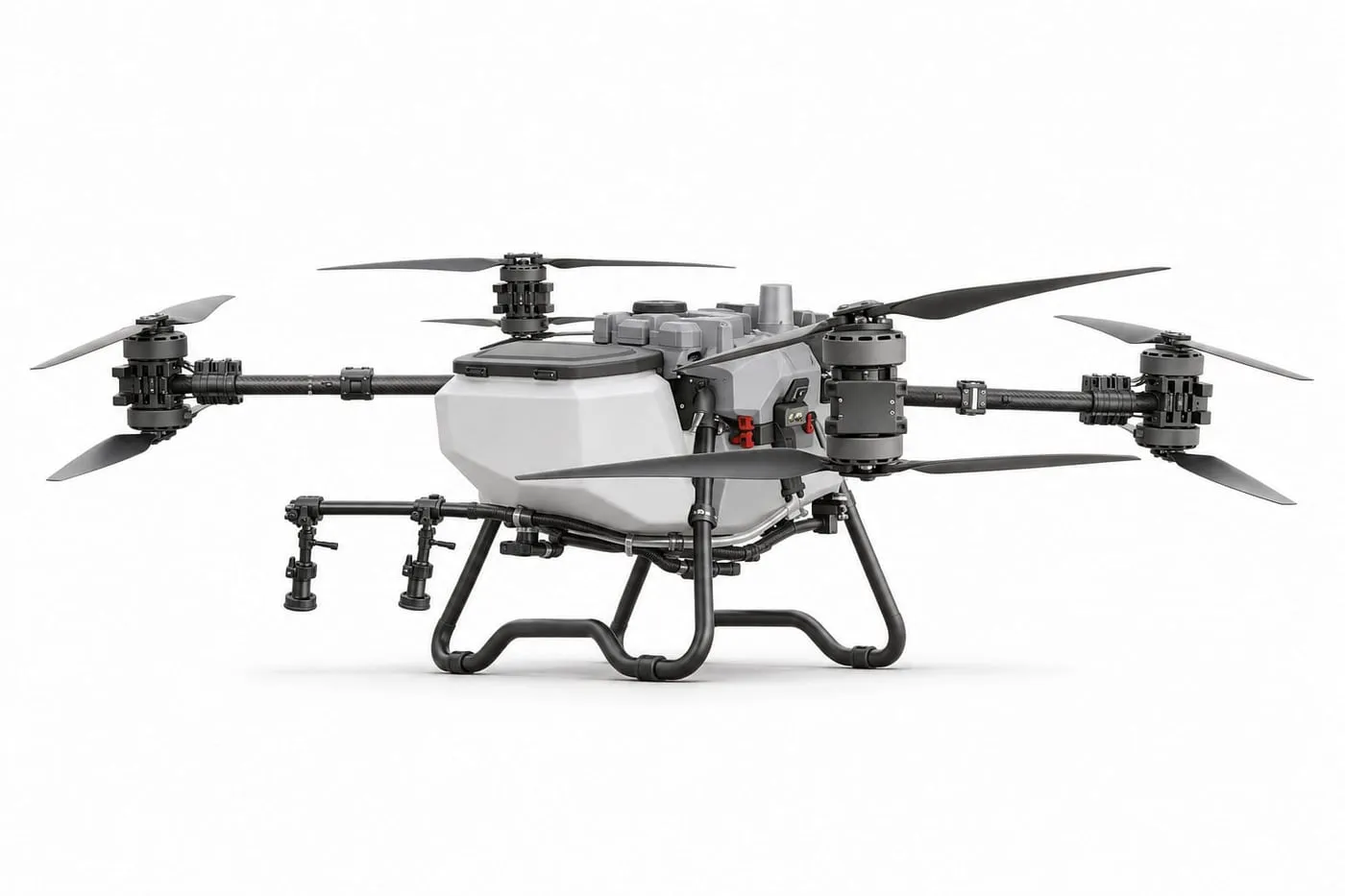
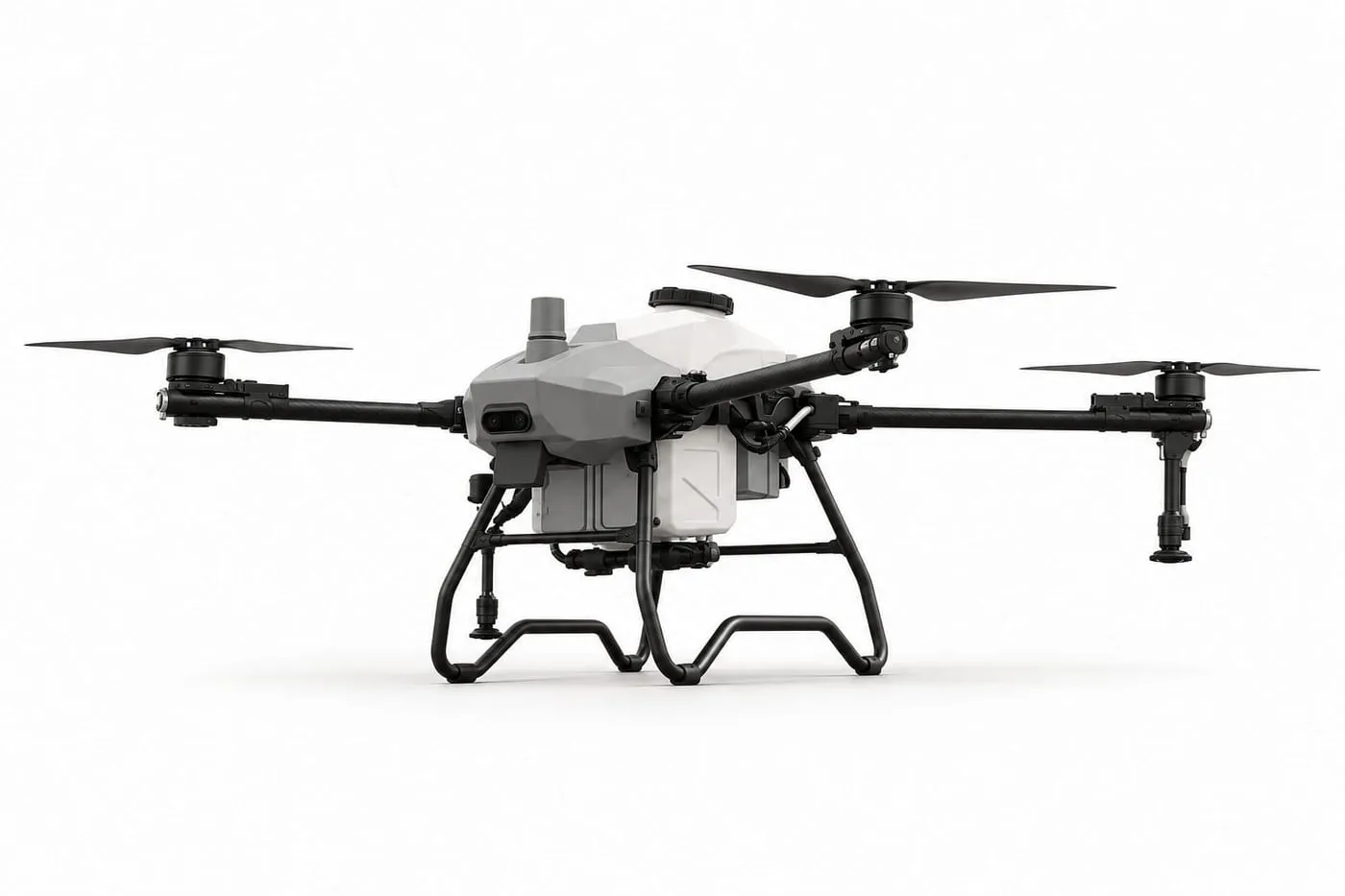
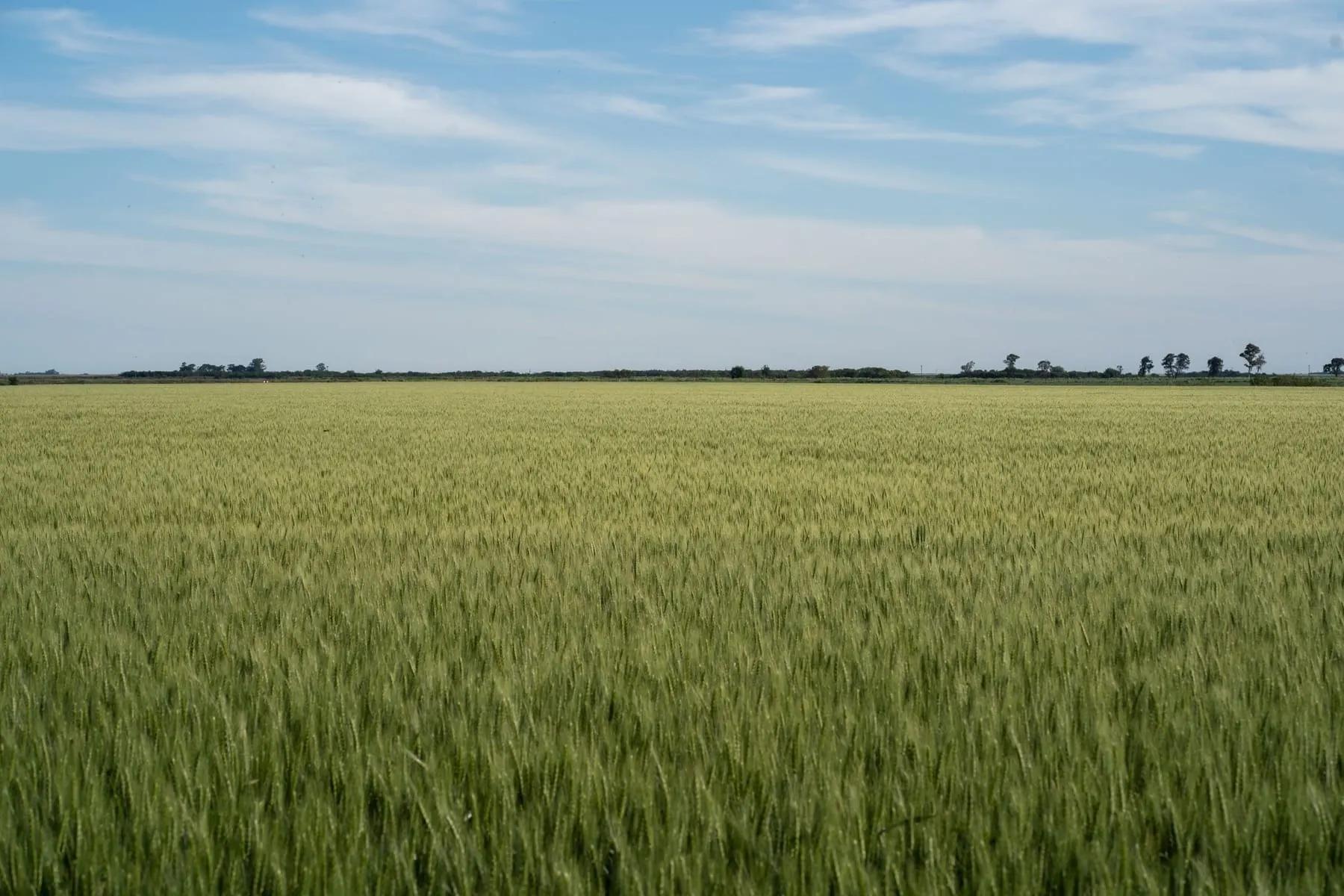
FAO’s GIEWS brief reports a record 2025 wheat harvest, officially estimated at 27.8 million tonnes, with harvest completed in January 2026. Large grain blocks suit a big tank: the Agri 100 works at 35 ha/h and the Agri 150 at 40 ha/h.
How should a dealer handle the provinces?
Argentina is a federation, and aerial application has long been regulated by provinces as well as by SENASA’s general Resolution 369/2013. A law-firm review of the framework lists Buenos Aires province’s Law 10.699 and Decree 499/91 and notes that the operator carries strict liability and needs insurance. Some provinces also restrict spraying near towns. Ask the provincial agriculture ministry before you promise a buyer a use case.
Example: a 500 ha soybean contractor
Example (reference figures): one Agri 100 covers 35 ha/h. 500 ha / 35 = about 14.3 flying hours per pass. If a contractor charges for three passes in a season (an assumption), that is about 43 hours. With the Agri 100’s listed FOB range of US$22,700–29,100, you can show the buyer how many hectares they must book before the machine has paid for itself, using their own fee per hectare, not a figure from us.
First-year plan
- Bring one demonstration drone and write down the three gates for your province.
- Ask a SENASA-registered contractor which products they use, and check whether those appear on the drone list.
- Hold two field days and invite neighbouring farms.
- Order two to four drones with parts after the contractor signs a service plan.
Neighbouring countries are compared in the Latin America overview; supply terms are on the dealer program page.