Short answer: Kano is a service-provider opportunity, not a mass drone-sales market. Dry-season irrigation around the Tiga, Challawa Gorge and Kafin Chiri dams is being renovated, vegetables already grow there, and in 2026 we found no Kano spray-drone dealer on the first page of results. The way in is a contractor with two machines, paid by the hectare, supported by a dealer who holds parts.
Kano facts a dealer should know
| Kano fact | Detail | Why it matters |
|---|---|---|
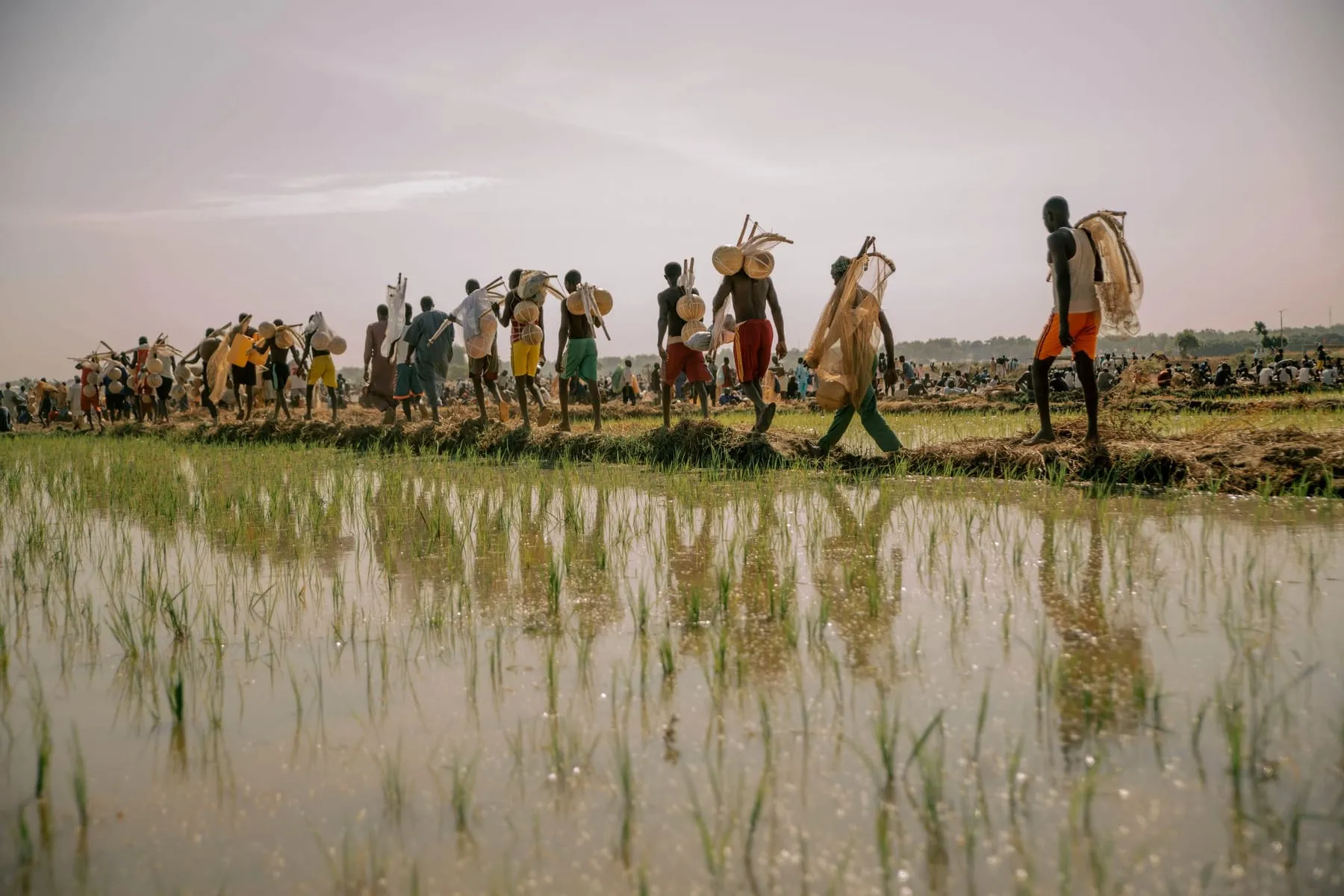
| Dry-season crops | Farmers at Kumfada, Garko area, grow carrots, onions, tomatoes and peppers, and want rice and wheat | Repeated spray rounds on small plots |
| Three dams | Federal works around Tiga, Challawa Gorge and Kafin Chiri: irrigation renovation, soil and water conservation, roads | Reliable water raises input spending |
| IITA programme | 16 local government areas, 1,890 beneficiaries, 501 smallholders trained, 8 farmer field schools, 86 demonstration plots | Ready-made places for a demonstration |
| TRIMING | World Bank-supported modernisation of 43,400 ha across Kano and Jigawa | A scheme-scale customer base |
| Dawanau market | Grain traders from Niger, Chad, Cameroon and Benin; N628 million state investment (December 2024) | Buyers of the harvest care about yield and quality |
The Ecological Project Office in the presidency oversees the dam work, according to ThisDay, and an IITA scientist in Kano said the effect would show in two or three years. Treat that as a timeline for demand, not a promise.
Where can I buy an agricultural drone in Kano?
Not easily. Our search for Kano returned a local mapping and drone-training firm and a state news piece on Dawanau, but no spray-drone dealer. That is a market gap, not a guarantee of demand, so confirm each lead in person.
Can a spraying service work for smallholders?
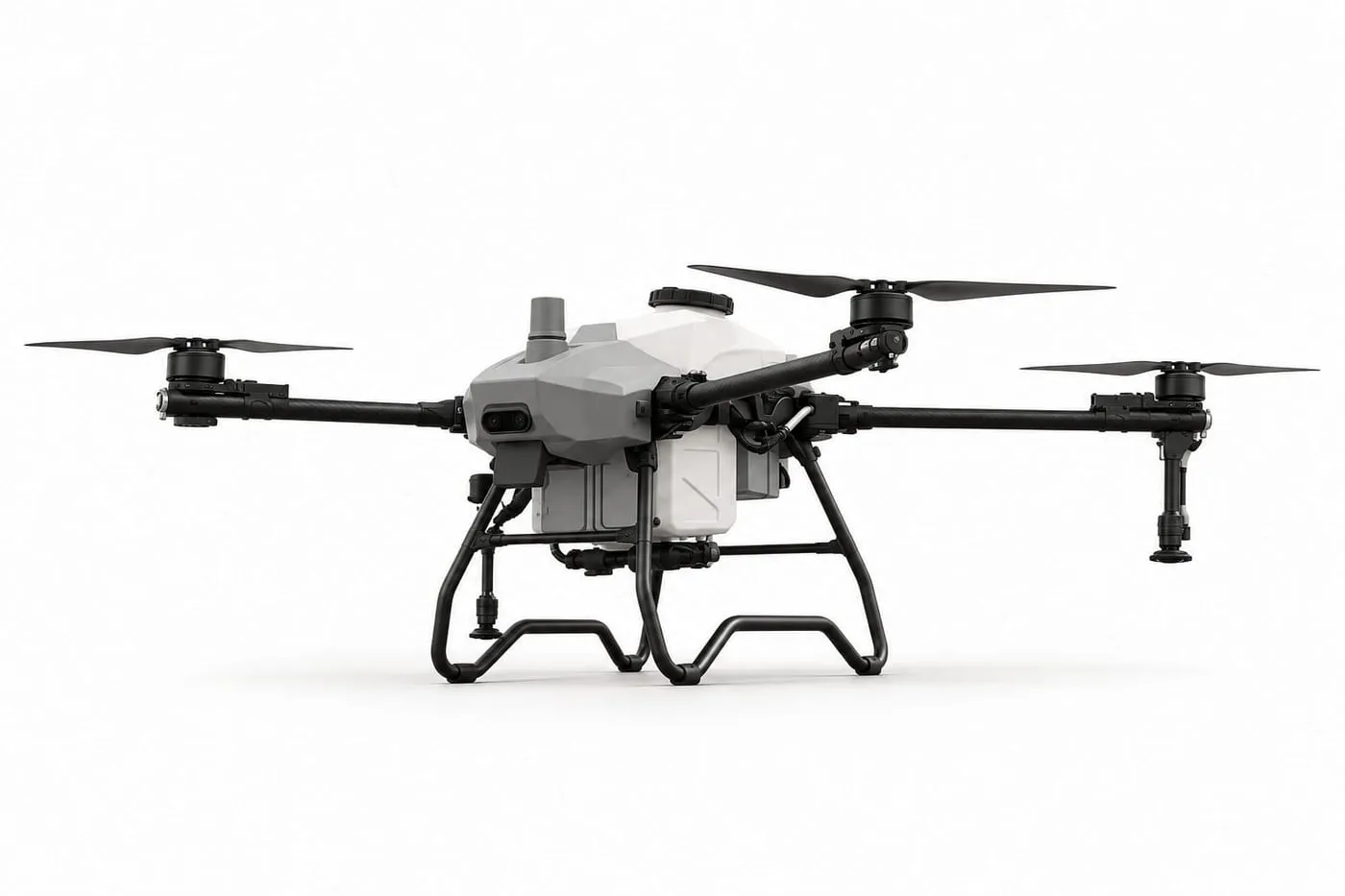
Yes, and it is the model we would test first. A smallholder with one or two hectares will not buy a 50 L drone, but a water user association or a contractor can bundle thirty fields into a job. Choose the machine to fit the field pattern: the Agri 50 covers 22 ha/h on open plots and is easier to repair than larger platforms, and the Agri 100 suits a large scheme block at 35 ha/h. Vegetables are low-canopy, so coverage is not a canopy problem, but spray programmes must follow the product label and local rules. Our guide to starting a spray service covers pricing and crews.
Example (reference figures): a 300 ha irrigated block, one Agri 50 at 22 ha/h: 300 / 22 = about 13.6 flying hours per pass. At two passes, about 27 hours. If the contractor’s fee is US$12 per hectare (an assumption, not a market price), a pass earns US$3,600, and the Agri 50 at the low end of its range (US$8,900 FOB) is covered after about 740 ha of paid work before costs.
Who are the first customers?
- Irrigation scheme water user groups and the farmers around the IITA demonstration plots.
- Contract growers who supply grain and vegetable traders linked to Dawanau.
- State agricultural programmes; the Kano State Agro-pastoral project’s executive secretary spoke about the market upgrade in 2024.
What about national rules?
NCAA registration, NAFDAC pesticide registration, Form M and SONCAP are on our Nigeria page and are not repeated here. The NCAA runs an RPAS portal for registration and permits. Check each rule with the authority or a clearing agent before you ship.
First-year plan
- Meet IITA staff and one water user group in Kano and ask for a trial block.
- Import one demonstration drone with spare batteries and a generator, since dry-season fieldwork needs charging power.
- Run a paid service on two or three plots and record hectares per day.
- Add a second machine and a parts box before the next dry season.
See the dealer program for what we supply from one unit.