Short answer: New Zealand in 2026 is a regulation-led market. Spraying with a drone needs a Part 102 operator certificate and pilots with chemical and agricultural ratings, and the 25 kg ceiling of the simple Part 101 route is the pain point. The Ministry for Regulation recommended a rewrite in February 2026, but that is a proposal, not law, so a dealer sells compliance help and parts first.
What is the compliance chain?
| Layer | What it is | Source of the rule |
|---|---|---|
| Part 101 | Drones under 25 kg, below 400 ft, in sight, no dropping hazardous items; no certificate | Ministry for Regulation summary |
| Part 102 operator certificate | Needed for work outside Part 101; includes an exposition covering risk, training and maintenance | CAA Part 102 page |
| Pilot qualification | UA pilot qualification from a Part 141 training organisation | CAA agrichemicals document |
| Pilot Chemical Rating | Covers NZS 8409; valid five years | CAA agrichemicals document |
| UA Agricultural Rating | Separate for spraying and for spreading | CAA agrichemicals document |
Part 137, the rules for crewed agricultural aircraft, does not currently cover drones.
What could the reform change?
| Scenario | What it means | Status |
|---|---|---|
| Current rules | Parts 101 and 102 as above | In force |
| New Part 137-style regime for agricultural drones | A dedicated system built for spraying drones | Preferred option in the aide-mémoire, a proposal |
| Adjusting Parts 101 / 102 only | Lets heavier machines do low-risk spraying on a farmer’s own land | Alternative option, a proposal |
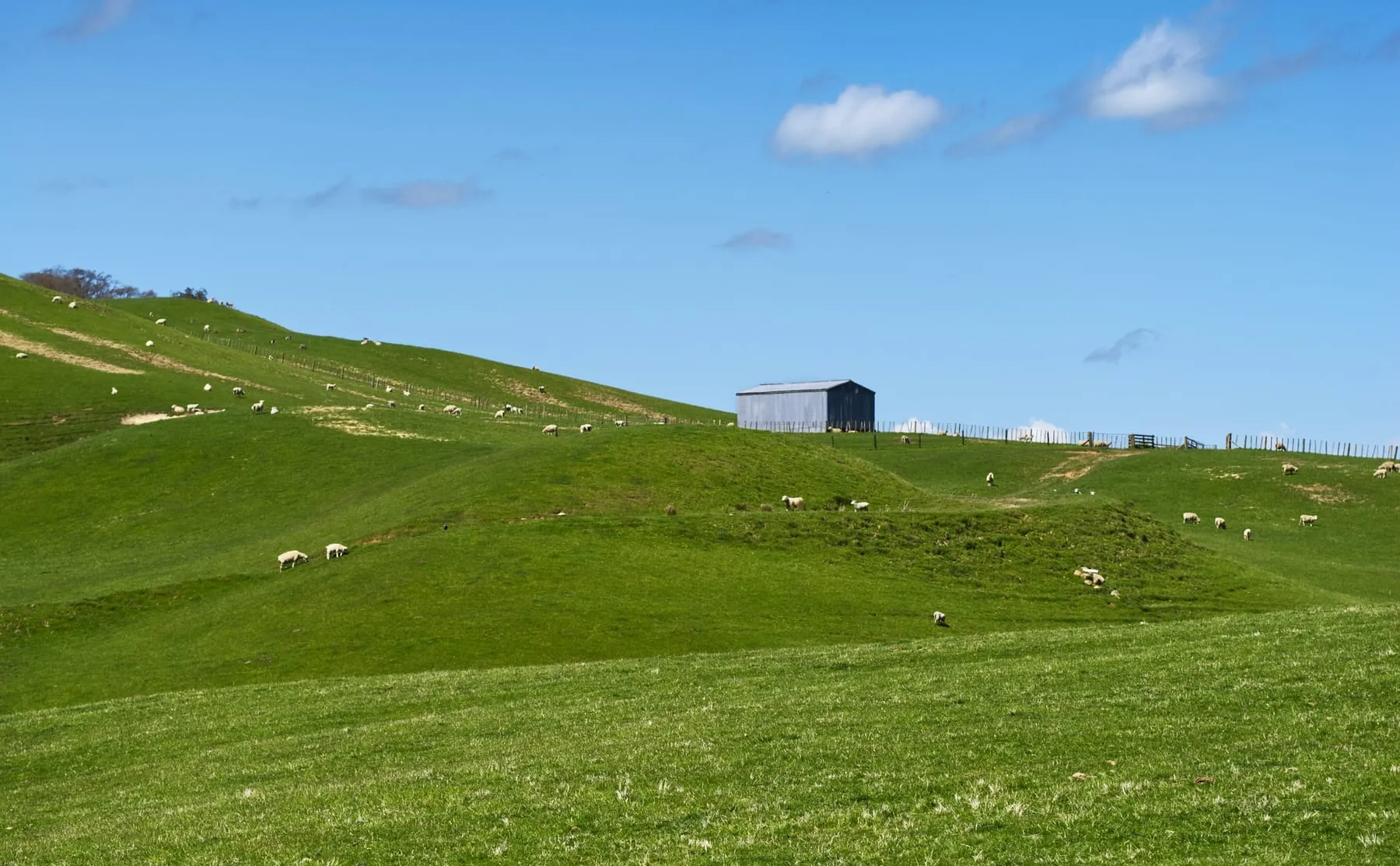
The department cites benefits to horticulture, vineyards, arable farming and hill-country pasture. It also notes Australia allows 25–150 kg agricultural drones on farmland with a licence and registration, though that is the New Zealand department’s description, not an Australian primary source.
How big is the market now?
The aide-mémoire cites the Agricultural Drone Association figure that large spray drones rose from 80 to 160 within a year (reported by Rural News in May 2025). The association’s own site is the place to ask about members and training. Local sellers such as Aerolab, Airborne Solutions and Ferntech already dominate the search results, and they sell well-known brands to farmers. That leaves a space for an importer who supplies parts, batteries and training to operators, not another retail shop.
What does Part 102 cost, and who pays it?
The department estimates Part 102 compliance at NZ$15,000–20,000 per operator.
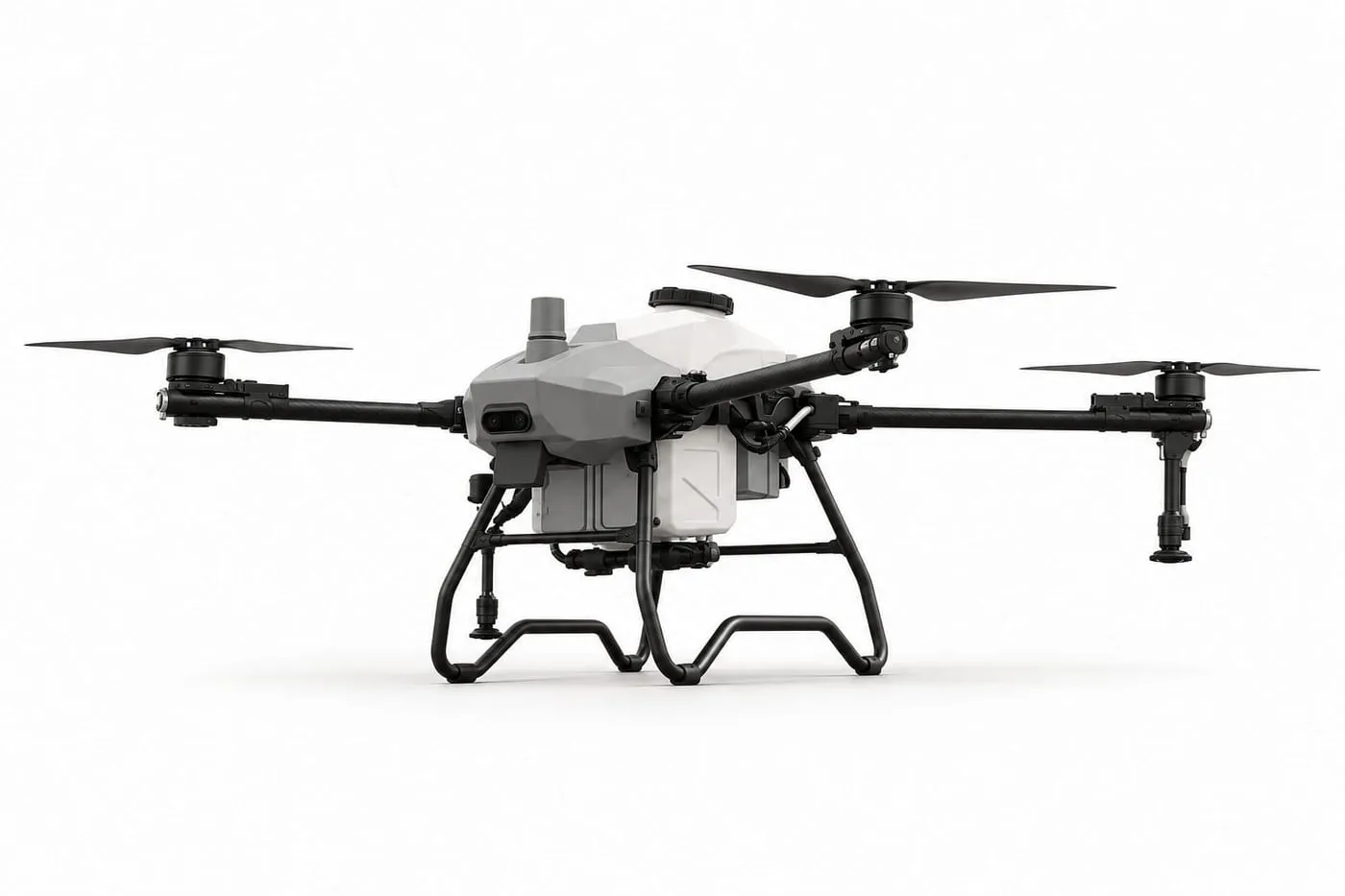
Example (planning numbers): an operator with three machines pays about NZ$17,500 (midpoint, example). That is roughly NZ$5,800 per machine. If each machine sprays 1,500 ha a season (example), the cost is about NZ$3.90 per hectare. A dealer who helps an operator run one exposition across a fleet lowers that per-machine cost. Our Agri 50 (50 L, 22 ha/h) and Agri 100 (100 L, 35 ha/h) are the classes most operators ask about. Check the weight of the version you plan to import against the rules.
How should a dealer get ready?
- Ask the CAA how a drone importer should be treated and what documents operators will need.
- Check imports with the Ministry for Primary Industries and customs; we did not find a drone-specific page.
- Choose a port. Tauranga is a major container port.
- Offer operators spare batteries, nozzles and a training plan, and keep records for their exposition.
- Watch the reform: if the new regime arrives, heavier machines may open up.
Ferntech says the CAA wait for a Part 102 exposition can reach 12–18 months, which is a dealer’s statement, so confirm with the CAA. See the dealer programme for samples and training.