Short answer: Spray drones in Australia in 2026 are already sold by local dealers of DJI and XAG, so a new brand has room only in heavy-lift machines, parts and training. CASA splits drones by weight (the medium class is 25–150 kg), spraying on your own land follows different rules from spraying for others, and the chemical label decides what a drone may apply. Ask CASA how it treats your model before you import.
Where does each of our models sit in CASA’s weight bands?
| CASA band | Range | Our models (maximum take-off weight, product pages) | What to check |
|---|---|---|---|
| Small | 2–25 kg | None of the models below | Lighter rules; not a spray-drone class |
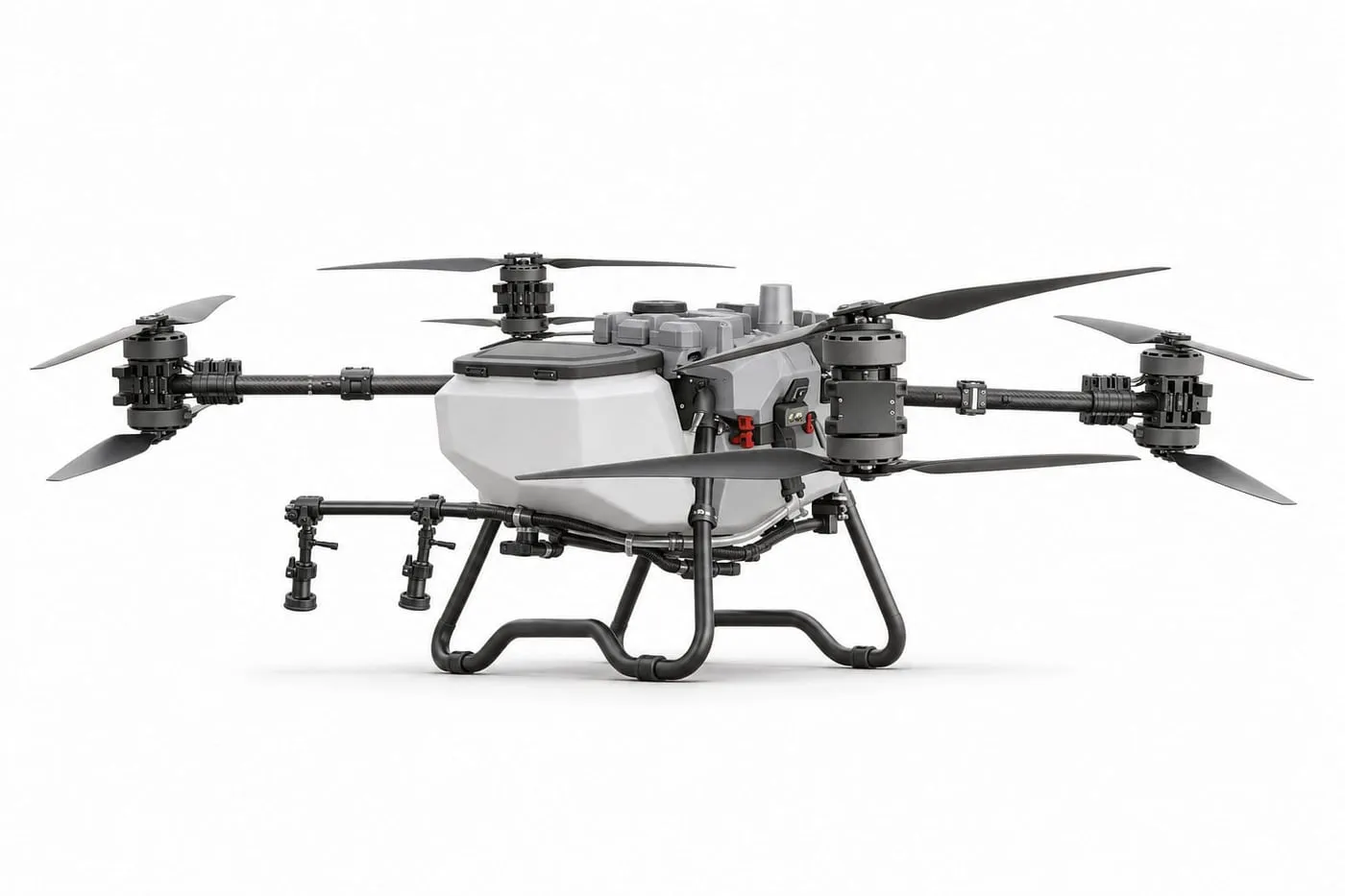
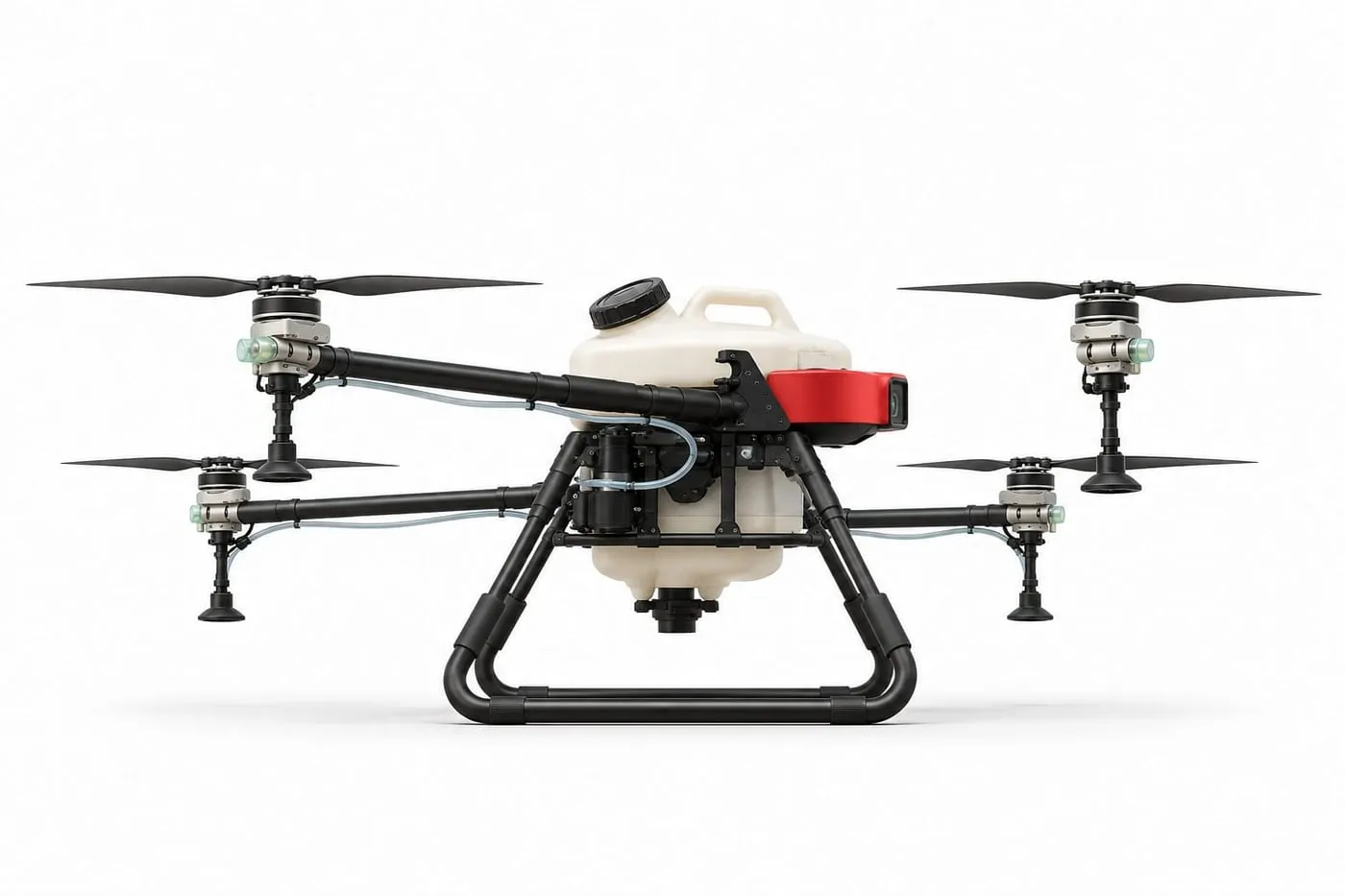
| Medium | 25–150 kg | Agri 30 (55–66 kg spraying), Agri 50 (99 kg) | RePL for the type and model, even on your own land |
| Above the four named classes | over 150 kg | Agri 100 (254 kg), Agri 150 (311 kg) | Ask CASA how it handles the aircraft before ordering |
This is the first thing to settle. A dealer who can say which approvals a buyer needs sells faster than one who says “ask the authority”. The weights come from our product pages; the bands come from CASA.
Which licence does a spray drone pilot need in Australia?
Pilots of a medium drone need a RePL issued for that type and model. Complexity pushes the paperwork up: CASA lists flying out of sight, extended visual range and several drones at once as harder jobs, and the multi-drone case calls for a RePL, an operator certificate (ReOC) or work under one, and a separate swarm approval. A contractor who sprays for other people should ask CASA whether the job leaves the “own land, no charge” exclusion, because that is usually where a ReOC becomes relevant.
Can I spray on my own farm without CASA approval?
Often, yes. CASA states that no CASA authorisation is required to spray with one drone on your own land. State law is separate. Queensland’s aerial application rules ask for a RePL and a state pilot chemical rating. Other states may add their own conditions, so a dealer should hand each buyer a one-page list for their state, not a national summary.
Which chemicals can go through a drone?
The APVMA applies its 2019 spray drift policy to drones, because it defines aircraft widely enough to include unmanned ones. In practice the label rules: buffer zones, spray quality, water volume and flight height follow the aerial directions. A product registrant who wants drones named on a label needs a separate assessment, which is why the label is the real gate. Our guide to pesticide rules for drone application explains how to read a label for this.
What do local dealers already offer?
A local dealer’s site is a useful checklist. One long-standing reseller lists finance, insurance, training, an approved contractor network, trailers, sales and servicing, and a price-beat promise. A new brand can match that list only in part, so choose where to be strong.
| Local offer | What a new dealer can add |
|---|---|
| Finance and insurance | Dealer-arranged lease options, a 12-month main-part warranty and a 3-month wear-part warranty (industry standard) |
| Training | Pilot and technician sessions on the exact model, with a written checklist |
| Contractor network | Referrals to contractors who run 100 L and 150 L machines |
| Servicing | A parts shelf in Australia and spare batteries on a swap basis |
The honest gap is size. Our search found little on large-tank machines. Large cereal and pulse farms, and contractors who want more hectares per battery cycle, are where the Agri 100 and Agri 150 belong.
What does a first-year plan look like?
- Order one demonstration drone and ask CASA, in writing, how it classifies the model.
- Agree with a contractor who already holds the operator approvals to run it on trial blocks.
- Check the labels of the three products the contractor uses most for aerial directions.
- Ordering two or three drones with a parts kit comes once the trial is signed off.
- Add training and a spare-battery pool to the offer.
Our dealer program starts at one unit.
Example: how long does a 500 ha cereal farm take?
Example (reference figures): a 500 ha cereal farm, one Agri 100 at its listed work rate of 35 ha/h, no stops: 500 / 35 = about 14.3 flying hours per pass. Real jobs take longer once battery swaps, refilling and weather are added, so plan on about 1.5 to 2 times the flying time (an assumption for planning). ABARES publishes the Australian Crop Report each quarter, which is the place to check the season’s area before you size a fleet.