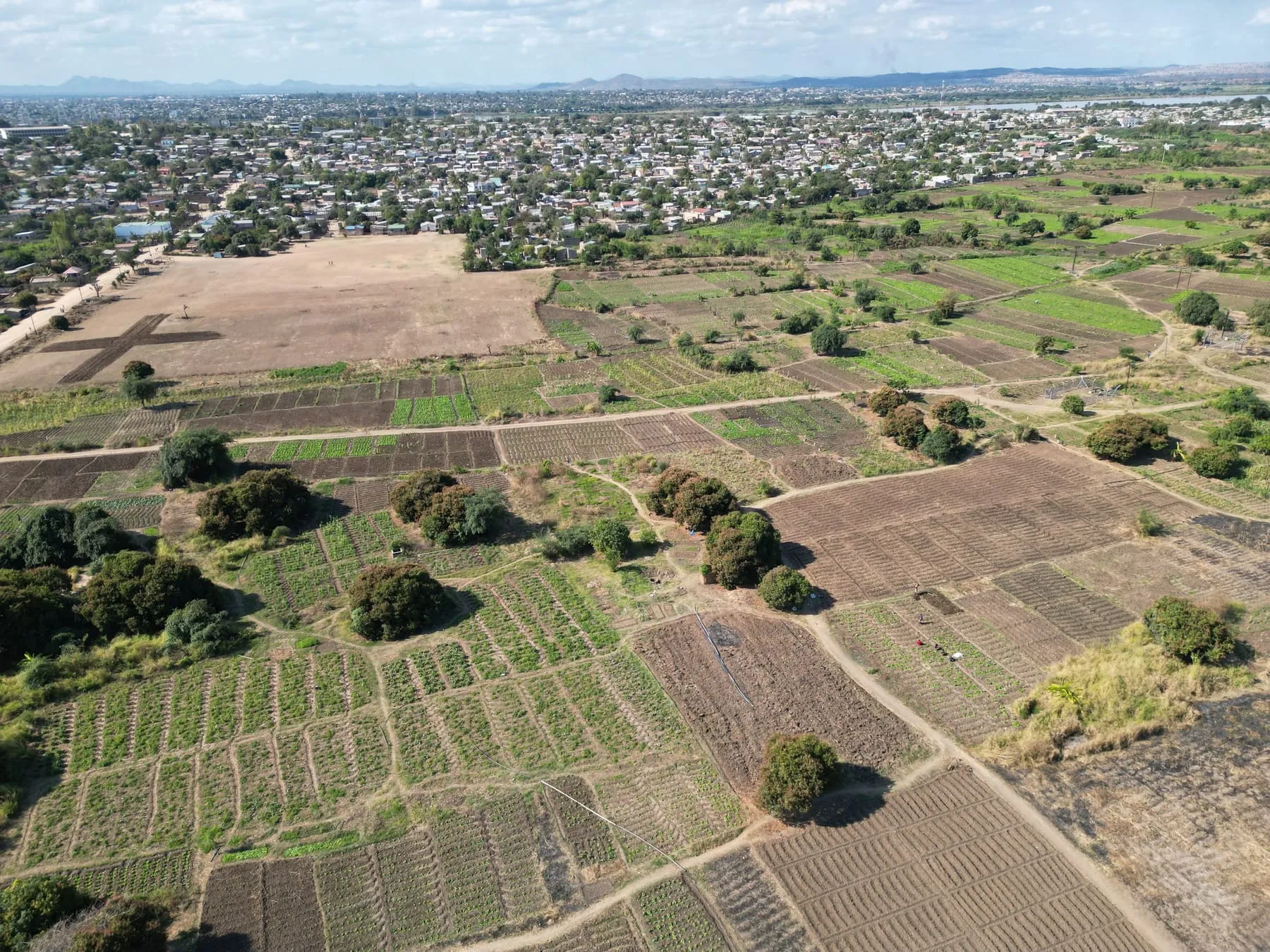
Short answer: Malawi’s farmers are mostly smallholders, so in 2026 the people who can pay for a spray drone are estates, co-operatives, agribusiness companies and NGO programmes, not individual farmers. A dealer’s route is to sell to those groups, or to a contractor who serves smallholders by the hectare. The Department of Civil Aviation authorises flights, and the Pesticides Control Board controls the chemicals.
Who can afford a spray drone in Malawi?
| Buyer type | How they buy | Machine that fits (reference FOB range) |
|---|---|---|
| Smallholder | Pays a service by the hectare | None; the contractor owns it |
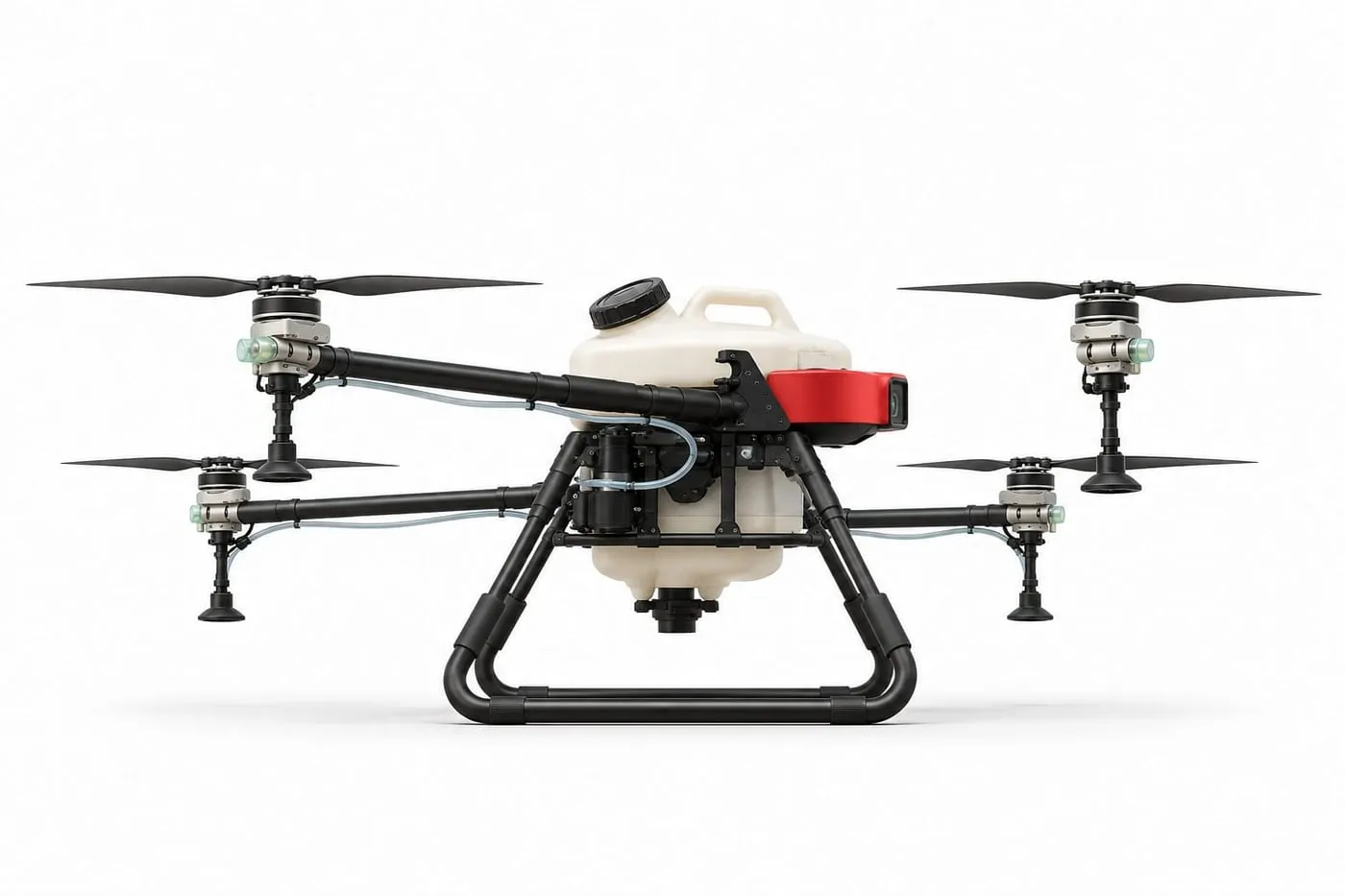
| Co-operative or farmer group | Shares one machine among members | Agri 30 (US$3,000–7,100) |
| Estate (tobacco, tea, sugar) | Buys outright, often with a parts plan | Agri 50 or Agri 100 (US$8,900–29,100) |
| NGO or donor programme | Funds a service or a pilot | A mix, with training in the contract |
Prices are factory reference ranges, and landed cost depends on freight, clearance and your agent.
Are drones legal in Malawi, and who regulates them?
The Department of Civil Aviation (DCA) sits in the Ministry of Transport and Public Works and has a regulatory division for airworthiness, flight operations and licensing. A December 2019 toolkit, written with the radio regulator MACRA, GIZ, UNICEF and VillageReach, sets out the path: DCA gives flight authorisation, the Malawi Revenue Authority clears the import, and MACRA allocates radio frequencies. In that document DCA asked for flights within 400 ft above ground, in sight of the pilot, not at night and away from crowded places. It also records a humanitarian drone test corridor at Kasungu, started in 2017 with UNICEF and a 40 km radius. These are 2019 rules, so confirm with DCA for the current text before you commit.
The corridor matters for a dealer: it shows that donor programmes have already walked the approval path once.
How do I import a drone into Malawi?
Follow the toolkit’s three-step chain: authorisation from DCA, clearance by the revenue authority through a clearing agent, and frequency approval from MACRA. Duties and document lists are not covered here, so ask your clearing agent. Our import checklist helps you prepare the paperwork.
What do the chemical rules say?
The Pesticides Act (Cap. 35:03) sets up a Pesticides Control Board that registers and controls all pesticides, last amended on 10 December 2012. In January 2026 the Board began nationwide inspections covering storage, use and disposal, so buyers are watching compliance. Apply only registered products within label scope, and follow the product label and local rules.
Which crops and seasons give the best first demonstration?
Tobacco is the clearest export crop: Ecofin Agency reported record tobacco revenue of US$540 million in 2025. That points to tobacco-growing estates as early demonstration sites, alongside tea and sugar. FAO’s GIEWS brief (December 2025) says rains usually begin in early October (2025 started 1–2 weeks late) and summer crops are harvested from April, after two harvests below average and high import needs. Plan demonstrations for the rainy season.
How do Malawian buyers pay for imported equipment?
Payment terms are normally agreed between buyer and seller, and foreign-currency access can be a constraint (a general industry point, not a Malawian statistic). Common arrangements in equipment export are letters of credit or advance payments. Confirm what your bank can arrange. Our guide to dealer financing lists options.
Who is already here?
Drone Solutions Malawi, in Blantyre, sells DJI machines, offers spraying and mapping, and trains pilots. That is a useful standard to match. A second brand’s opening is bigger tanks, parts and a clear warranty (12 months on main parts, 3 months on wear parts, industry standard).
Example (reference figures; fee is an assumption): a co-operative with 120 ha of crops, one Agri 30 at 8–12 ha/h, needs 120 / 12 = 10 to 120 / 8 = 15 flying hours per pass. If the service fee were US$12 per hectare, a pass would bring US$1,440, and the machine’s low-end price of US$3,000 would be covered after about 250 ha of paid work, before running costs. Replace the assumed fee with the co-operative’s own number.
First-year plan
- Run a demonstration with an NGO, co-operative or estate in the rainy season.
- Apply to DCA for flight authorisation and ask MACRA about frequencies.
- Use a clearing agent to import one to three drones with parts.
- Check every product you plan to spray against the Pesticides Control Board’s registration.
See our dealer program for supply terms from one unit, and the co-operatives guide for shared ownership.