Short answer: Kazakhstan in 2026 offers scale and light paperwork: wheat farms of thousands of hectares, and drone registration handled online through the e-government portal. What an importer still has to solve is the EAEU import side, pesticide registration and, for aviation work, an AAK permit. DJI resellers sit at the top of local search, so the gap is heavy-lift machines, parts and Russian-language service.
How big is the farming scale?
| Region group | Crop and timing | Source |
|---|---|---|
| Kostanay, Akmola (north) | Spring wheat, sown from May, harvested August–September | FAO GIEWS, March 2026 |
| Turkestan, Zhambyl, West Kazakhstan | Winter wheat, sown October–November, harvested June–August | FAO GIEWS, March 2026 |
| National | 2025 grain output estimated at about 23 million tonnes, above the five-year average | FAO GIEWS, March 2026 |
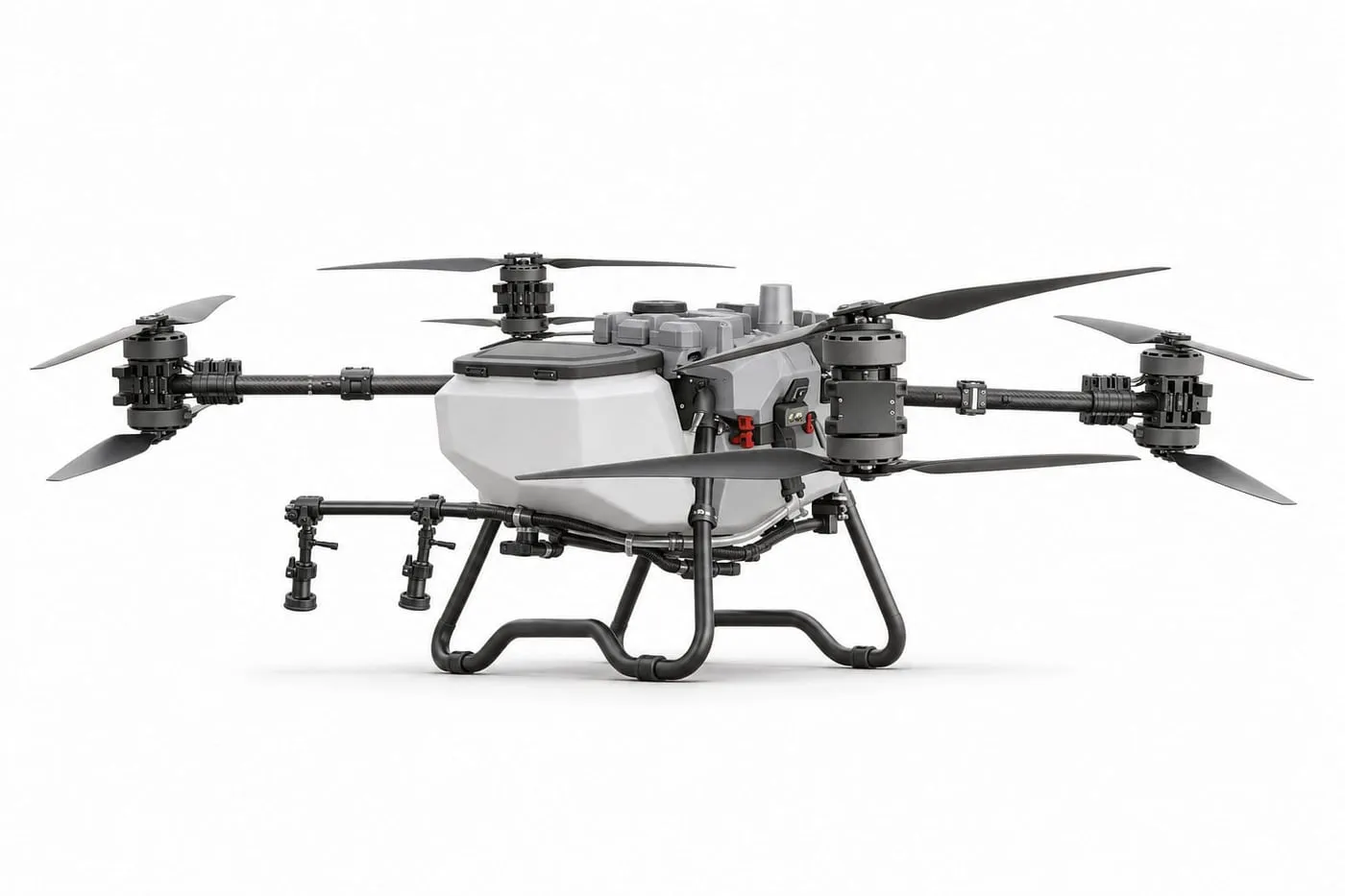
Large flat fields reward machines with high hectares-per-hour. That is where the Agri 100 (35 ha/h) and Agri 150 (40 ha/h) fit.
How many drones does a wheat farm need?
Example (planning numbers): a 5,000 ha farm with two spray passes needs 10,000 ha of coverage. An Agri 100 flown 5 hours a day at 60% efficiency covers about 105 ha a day, so the work is roughly 95 flying days. If the spray window is 30 days, that is about 3–4 machines, or a mix of machines and a contractor. Change the passes, window and efficiency to your own numbers; see the fleet-size guide.
What does registration involve?
The aviation administration approved UAV operating rules in January 2021, classifying operations by maximum take-off weight and by “open” or “specific” category. Beyond registration, flights over densely populated areas and “aviation work” need AAK permission. The gov.kz registration service is delivered electronically and lists a free service. Ask AAK how it treats a dealer importing several drones, and what an operator needs for repeat agricultural flights.
Do pesticides need registration?
Yes. Plant protection is governed by Law No. 331 (2002), and the gov.kz service page covers state registration of pesticides. Contact the national plant-protection authority for timing; our sources do not give a reliable duration. Follow the product label and local rules.
What about the Kazakh drone makers?
Qazinform reported that Turkestan region has begun producing agricultural drones locally. We only saw the headline, so treat it as a sign of interest, not a competitor with known volumes.
What does an importer still have to solve?
- EAEU rules. We could not find an official page on technical or conformity rules for drones, so ask your clearing agent which certificates apply.
- Logistics. Kazakhstan has no seaport; freight comes overland. Ask a forwarder for routes and transit times.
- Language. Kazakh and Russian manuals, labels and service support.
- Parts and batteries. Battery transport rules and spare stocks.
What gap can a dealer fill?
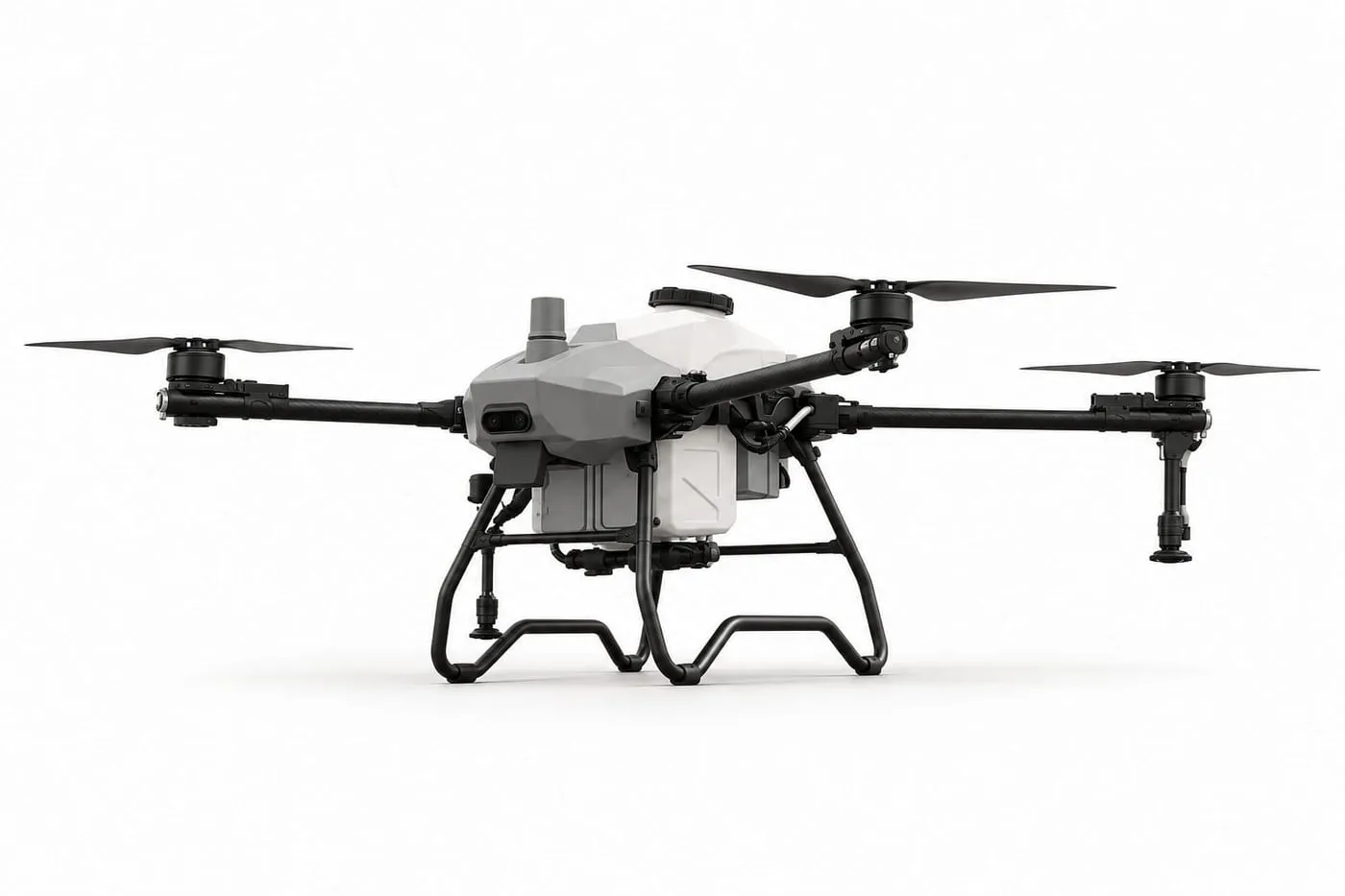
A dealer who combines heavy-lift sprayers, a parts stock and Russian-language training speaks to large farms that already know DJI but want volume and service. Start with one demonstration drone in one wheat district, then offer two machines to a farm group. Our dealer programme covers samples, training and parts terms; the Agri 65 is a middle-size option for farms that move between fields daily.
Compare with the neighbouring market in Uzbekistan.