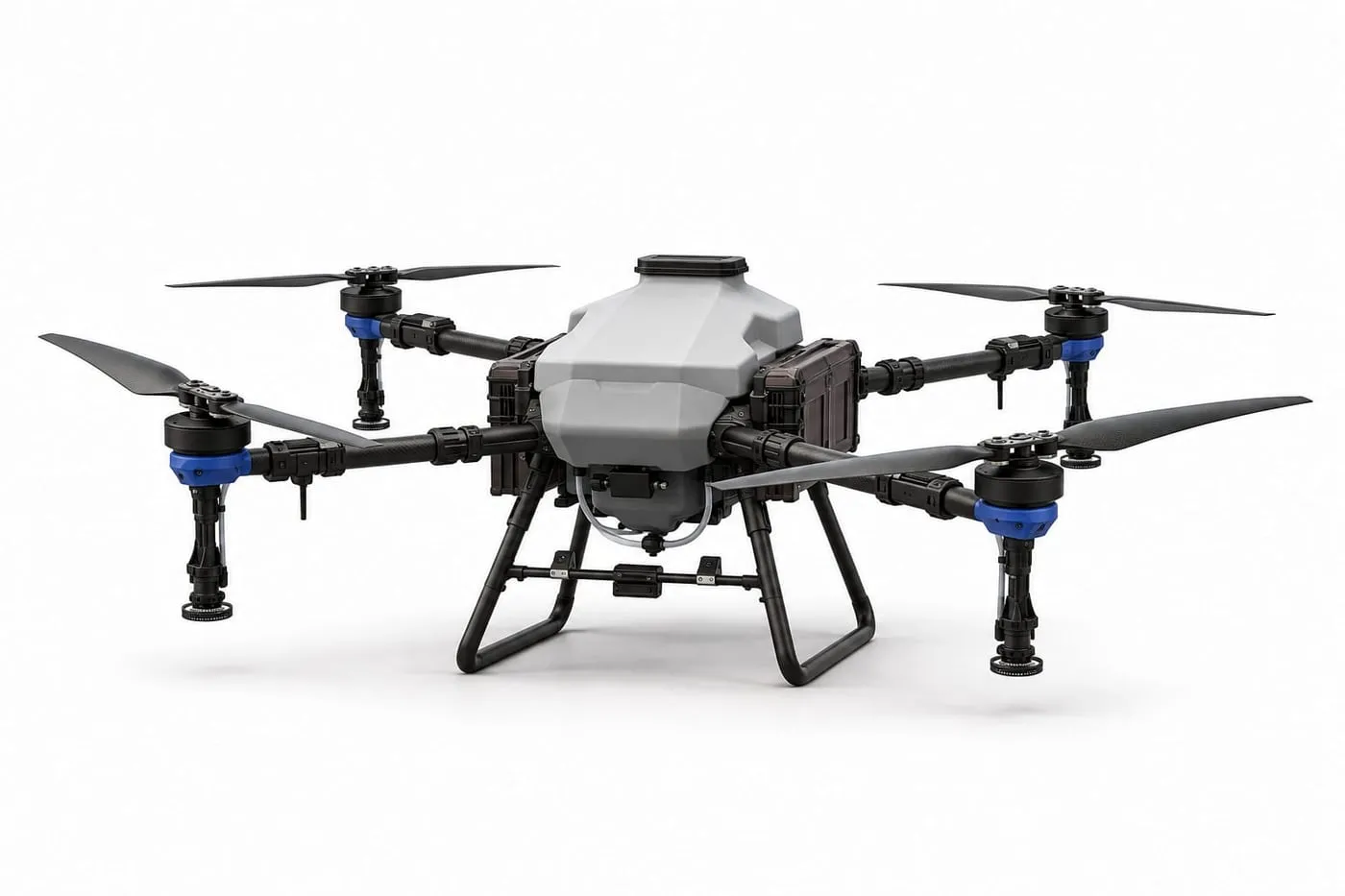
Short answer: Ghana splits the drone business between two regulators. The Ghana Civil Aviation Authority (GCAA) must approve in writing before anyone imports, sells or operates a drone (GCAD Part 28), and the Environmental Protection Authority (EPA) licenses pesticides and takes the aerial spraying application (Form A7). A dealer needs the first key and a spraying service needs both; in 2026 the buyers to meet are government programmes, spraying companies and large farms.
Two keys, one drone
| Key 1: GCAA (the aircraft) | Key 2: EPA (the chemicals) | |
|---|---|---|
| Governing text | GCAD Part 28, RPAS Directives (2018) | Environmental Protection Act, 2025 (Act 1124) |
| Drone dealer or importer | Prior written approval to import and to sell; the scheme of charges lists “Importation” and “Approval to Sell” | None found for the drones themselves: ask the EPA |
| Spraying service | Registration certificate and operator certificate (ROC) | Pesticide licence (Form A1), warehouse licence (Form A2) if you store product, aerial spraying application (Form A7) |
| Where to apply | GCAA RPAS portal | EPA client portal |
| List they publish | Certified commercial RPAS operators | Register of Pesticides, revised December 2023 |
Both authorities publish amounts in their schedules. We quote none, because the GCAA tables list several bands that are hard to match to each service and fees change.
Do I need GCAA approval to sell drones in Ghana?
Yes. GCAD Part 28, paragraph 28.1(17), says no person may import, export, sell or operate a remotely piloted aircraft system, or parts of one, “without prior written approval” of the Authority. The GCAA’s drone page links the application forms, a checklist, FAQs and the list of certified commercial operators, and the operator exam and portal run online. Treat the approval as the first line in your project plan, ahead of the purchase order.
Does the EPA regulate drone spraying in Ghana?
Through pesticides, yes. The EPA’s laws page lists the Environmental Protection Act, 2025 (Act 1124), which set up the Environmental Protection Authority; some websites still call it the Agency. Its forms page carries an aerial spraying application (Form A7) next to the pesticide licence and warehouse forms, and the chemicals centre publishes the Register of Pesticides. A spraying customer picks products from that register.
Who is buying agricultural drones in Ghana?
- Government programmes. In June 2026 the agriculture minister announced 5 agricultural drones and 40,000 bags of fertiliser for the Peasant Farmers Association of Ghana under the Feed Ghana Programme, as the state broadcaster reported.
- Spraying-service companies. Most pages on the first page of Google for this topic are local service firms. They already sell spraying; some will buy a second or bigger machine.
- Large and out-grower farms. Rice and maize growers who want their own pilot.
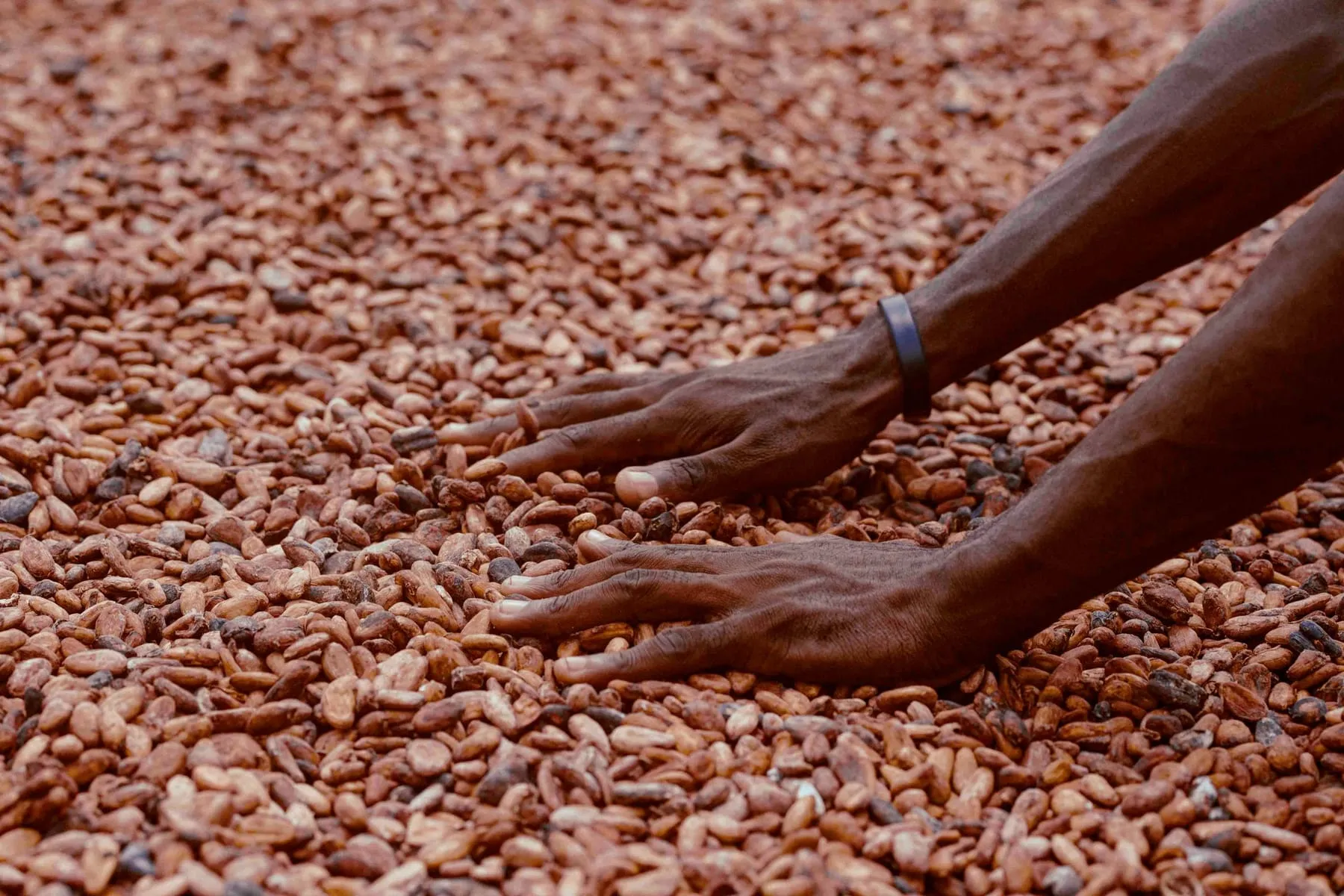
- Cocoa. COCOBOD regulates it; ask COCOBOD about approved chemicals and programmes. We could not verify a COCOBOD drone programme, so we do not describe one.
How does a drone get into Ghana?
- Port: Tema or Takoradi, run by the Ghana Ports and Harbours Authority.
- Approval first: the GCAA import approval, applied for before the shipment leaves.
- Radio: ask the National Communications Authority whether the radio link needs type approval.
- Customs: the Ghana Revenue Authority clears goods on its ICUMS system; your clearing agent supplies the tariff code, duty and VAT.
When should the demo land?
FAO’s brief describes two rainy seasons in the south and centre: the first runs March to July, main-season maize is harvested by September and rice in September and October. The north has one season, with sowing in May to July. A demo cleared at Tema by February suits the south, and by April the north. The dates are our planning suggestion.
Ashanti and Kumasi: the cocoa belt is not the drone market
Ashanti is the heart of Ghana’s cocoa, but the sources we opened show hand-held equipment there, not drones. Reuters, via MyJoyOnline, reported that Ashanti produced 160,855 tonnes in the previous season and 103,976 tonnes by June of the current one, one of the regions behind a halving of national output. COCOBOD’s 10 April 2026 notice for the 2025/26 mass spraying lists 13,000 pneumatic sprayers and 14,000 motorised mist blowers, one person on each, creating about 27,000 community jobs. None of them is a drone, and cocoa trees are tall, so do not pitch a spray drone against that programme.
Ashanti’s own farm drone news is about food crops. In October 2020 the National Service Scheme’s director visited its maize farm at Ejura, where newly bought drones were presented for fertiliser, pest control, monitoring and seeding; that is a 2020 report, so ask the scheme what has happened since. Ghanaweb reported in October 2026 that COCOBOD’s Ashanti regional manager planned further talks with farmers on fertiliser handout and spraying, which is where a dealer could ask whether training days are planned.
Example (reference figures): a 300 ha maize block near Ejura with three passes needs 900 hectare-passes; at the 22 ha/h listed for the Agri 50 that is about 41 flying hours. A cooperative or service partner in Kumasi is a better first customer than a cocoa body.
Example: a first year with one service partner
Example: one demo machine and one spraying company, with planning figures only.
| When | What happens | Money line |
|---|---|---|
| Before ordering | GCAA approval to import and sell; the partner files the EPA forms | GCAA and EPA fees: see the official schedules |
| Order | One Agri 50 with batteries, charger and a parts kit | FOB US$ 8,900–21,100, about GH₵ 105,700–250,600 at 25 Nov 2026 rates, for reference |
| Arrival | Clearance at Tema through ICUMS | Freight, duty and VAT: your clearing agent’s quote |
| March to July (south) | Paid blocks with the partner, records kept | Service income stays with the partner |
| After the season | Show records to farm managers, order stock | Depends on demand |
A smaller start is the Agri 30; where charging power is short, price the hybrid Agri 60H. Read the dealer program, our West Africa overview and the landed cost guide before you ask for a quotation.