Short answer: Cameroon in 2026 is a selective market for agricultural drones. CCAA, the civil aviation authority, has handled drone approvals case by case while drafting a framework, pesticides must be registered before import and use, and the best first customers are open estates and maize growers, not cocoa farmers working under tree cover. Treat it as a market for a careful dealer who gets written answers first.
Which crops suit a spray drone in Cameroon?
| Crop or setting | Fit for 50–100 L drones | Why |
|---|---|---|
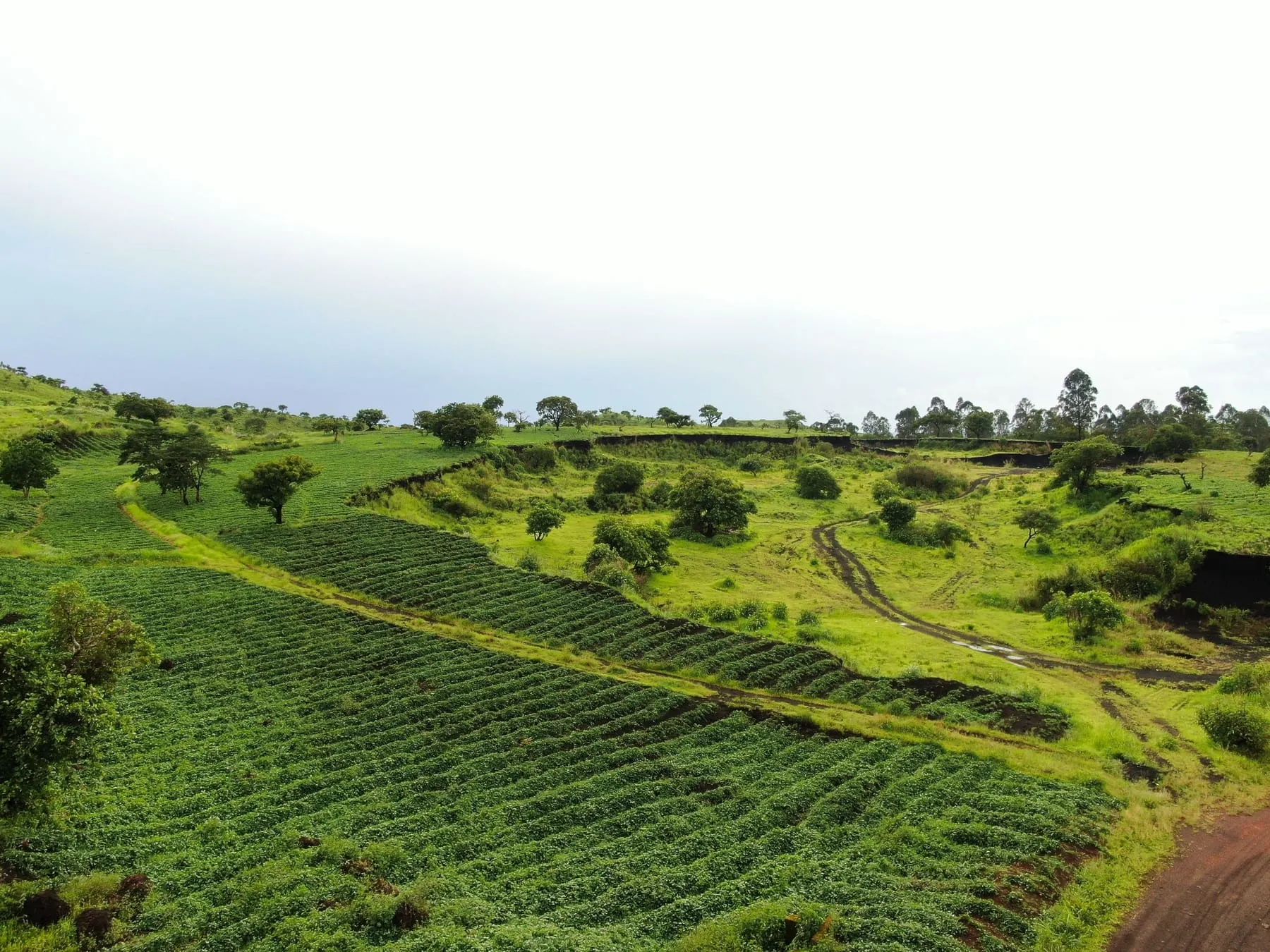
| Maize in the north and central areas | Good | Open fields, short season, many hectares per day |
| Large banana and other estate blocks | Possible, ask the estate | Flat blocks, but we found no confirmed drone-spraying report, so ask each estate |
| Cocoa under canopy | Poor | Trees block the flight path and spray; UNDP’s lab focused on mapping and AI instead |
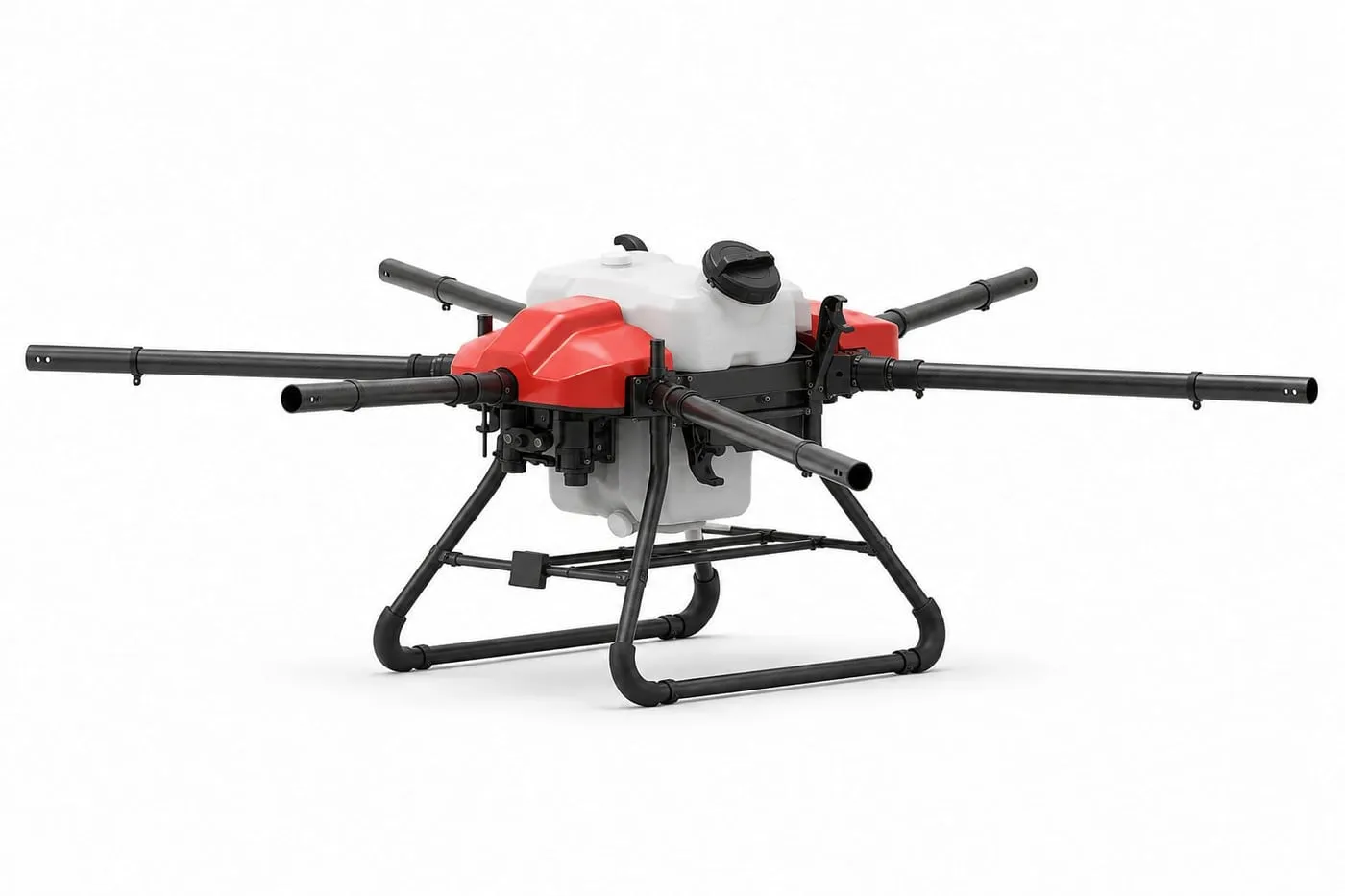
| Smallholder mixed plots | Small drones | An Agri 30 moves easily between plots |
This table is a planning guide for your engineers to review, not an agronomy ruling.
How does CCAA approve drones?
In October 2021 Business in Cameroon reported that CCAA announced a regulatory framework for drones. The article recalls that in September 2016 the transport ministry told drone users to stop flying while cases were reviewed, and that by 2021 approval-certificate applications had surged while some users still did not apply. A draft chapter on remotely piloted aircraft was reported on the CCAA website, but we could not open it, so check the current text there.
In practice a dealer should ask CCAA in writing: whether each drone needs its own approval, whether the operator or the owner applies, what pilot proof is expected, and how long it takes. Keep the reply on file for customers.
Do pesticides need homologation in Cameroon?
Yes, according to reporting on the national approval commission. Its 36th session in May 2024 in Yaoundé examined 60 pesticide applications, 6 applicator-equipment certifications and 14 renewals. Any spraying business must therefore use registered products and keep labels. Follow the product label and local rules; drones do not change that. The older agriculture ministry list of products dates from 2015, so ask for the current one.
What are the rainy seasons for maize?
FAO’s April 2026 brief says the main maize season in the centre and south starts in late March with harvest in August–September, while in the north planting begins in May and harvest in October. Conflict in the north-west and south-west and about 2.8 million severely food-insecure people are also reported, so security and access matter when you choose a first service area.
Which port, and in what currency?
Douala is the main seaport, run by the Port Autonome de Douala. Pricing is usually discussed in US dollars or euros, while the local currency is the CFA franc (XAF). Duties and clearance are for your clearing agent to confirm.
What is a realistic start for a dealer?
Example (planning numbers): a 600 ha maize area (example), two passes per season = 1,200 ha. An Agri 50 at 22 ha/h, flown 5 hours a day at 60% efficiency, covers about 66 ha per day, so the job needs about 18 flying days: one machine is enough, with a second set of batteries. If your partner pays an assumed US$7 per hectare, that is US$8,400 of work for the season. Compare with the drone price on the Agri 50 page and your landed cost.
| Step | Output |
|---|---|
| Written questions to CCAA and the agriculture ministry | Checklist and reply on file |
| One demonstration drone with a parts kit | Machine in Douala |
| Trial on one open maize or estate block | Work record |
| Training for one pilot and one technician | Local service staff |
| First order with parts | Stock for the second season |
Ask about our dealer programme for sample, training and parts terms.