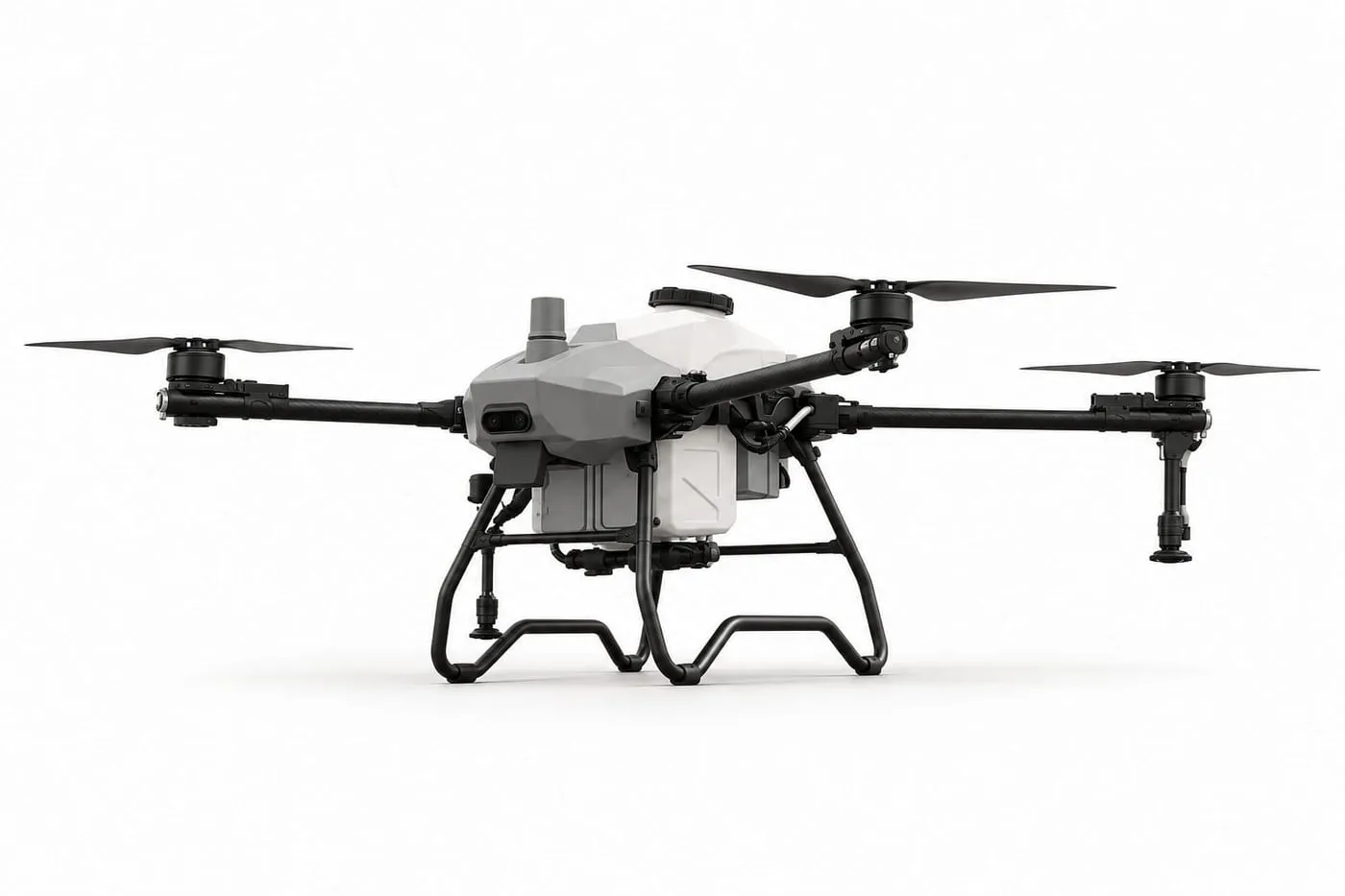
Short answer: In Cambodia in 2026, spray drones are handled as security items first and farm tools second. A February 2025 inter-ministerial order requires drones of 2 kg or more to be registered at the local police office, and a December 2025 order restricts unauthorised drones in Phnom Penh and several provinces, especially along the border. For a dealer that means choosing delivery areas carefully and giving every customer a registration checklist.
Who handles which step in Cambodia?
| Step | Where | What the sources say | Dealer action |
|---|---|---|---|
| Registration | Local police office | Joint order of 14 February 2025 from the interior, agriculture and civil aviation ministers; drones of 2 kg and above | Give customers a paper checklist |
| Border and city flights | Defence ministry | Late-2025 order bans unauthorised drones in Phnom Penh and some provinces | Agree flight areas in writing |
| Crop policy | Agriculture ministry | Pesticide registration; we found no official page to cite | Ask which products are approved |
| Imports | Customs and clearing agent | Duties not quoted here | Confirm classification of drones and batteries |
The order followed a foiled attack plot involving an agricultural drone, which explains the security tone. We could not open the civil aviation secretariat’s website, so ask for its current text.
Which seasons and crops pay?
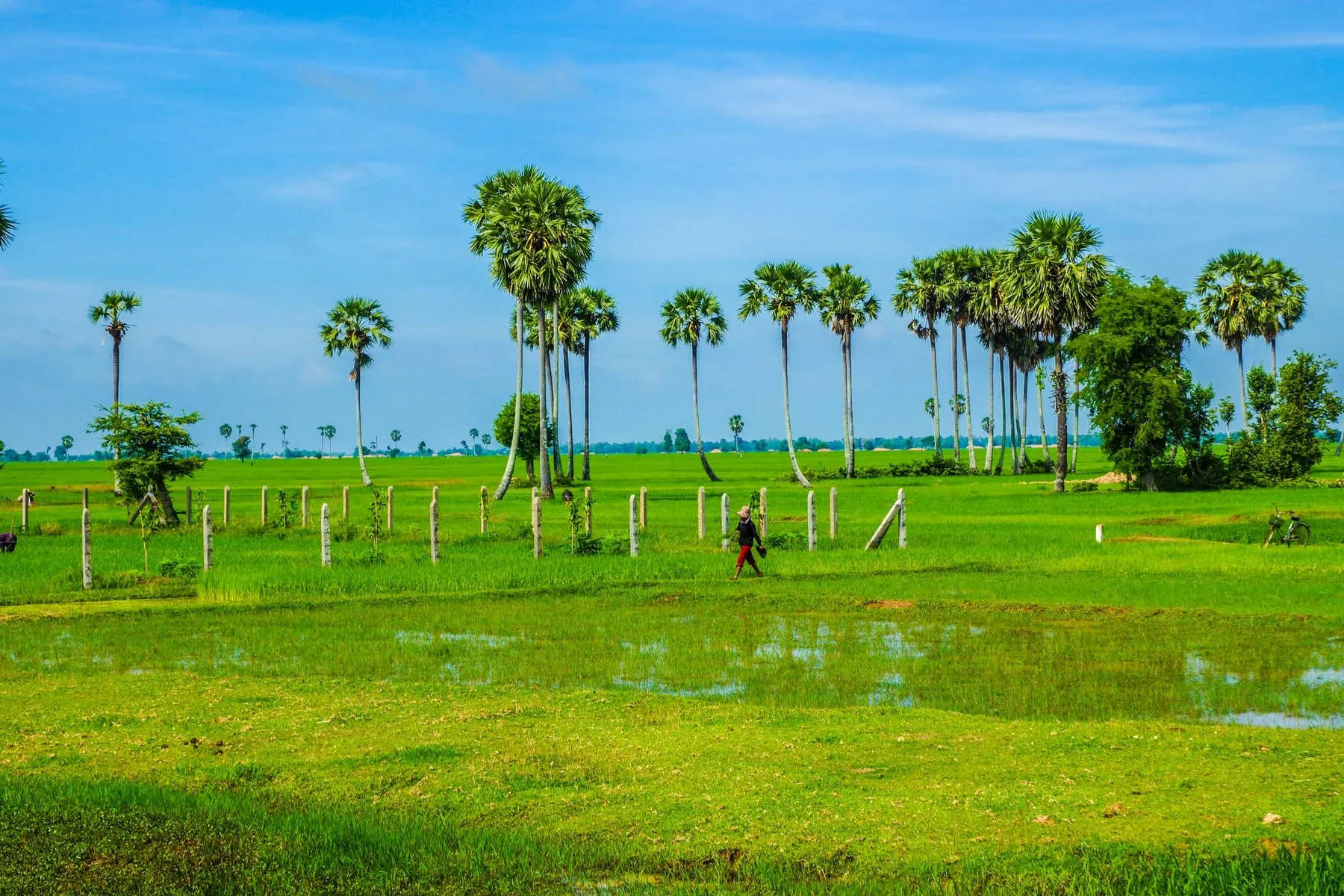
FAO says wet-season rice supplies about 70% of annual output, that the main-season 2025 harvest was completed by January 2026, and that the government offered low-interest loans and subsidies, while 2026 rice exports were expected to fall. Cassava is the other big crop: a 2022 release by drone maker XAG said cassava covers over 600,000 ha and is the second-largest crop. That is a vendor statement, so use it as a rough scale, not a statistic.
Which drone for which job?
Best for cassava and mixed small farms: the Agri 30 (30 L, 8–12 ha/h) is easy to move on a truck or motorbike trailer.
Best for large rice blocks: the Agri 50 (50 L, 22 ha/h) or Agri 65 (62 L, 25 ha/h) cover more hectares per battery set.
Payback sketch (example)
Example (assumptions): an Agri 30 working 10 ha/h for 3 effective hours = 30 ha a day. Over 80 working days that is 2,400 ha. At an assumed service fee of US$6 per hectare, revenue is US$14,400 before wages, batteries, fuel and registration time. The Agri 30 lists at roughly US$3,000–7,100 FOB depending on configuration, so one season can cover the machine if work is steady. Use your own numbers, since we found no verified local fee.
What does a Cambodian service model look like?
Local news pieces describe farmers adopting drones in Siem Reap and women-led drone services in Battambang; we could not open them, so we cite only that they exist in the search results. The model is clear: one trained pilot, a helper and a vehicle serve many neighbouring farms. Our service-centre guide shows how to stock parts and handle repairs.
First-year plan
| Months | Step |
|---|---|
| 1–2 | Visit local police and the agriculture ministry; write the registration checklist |
| 2–4 | Import one demo drone and parts through Sihanoukville |
| 4–6 | Register the drone; train a pilot; run demonstration plots |
| Wet season | Paid spraying on rice and cassava blocks |
| After harvest | Quote repeat customers; order stock with parts |
See the dealer programme for terms.