Short answer: The sensible way into Angola in 2026 is to follow the Lobito Corridor: the central plateau (Benguela, Huambo, Bié) grows about half of the country’s maize, sits on the rail and port route to Lobito, and has the large flat fields that suit heavy spray drones. ANAC regulates drones under NTA 36, with registration, insurance and an import authorisation reported, so write to ANAC before ordering.
Your first-year plan (example)
| Stage | Action | Why it matters |
|---|---|---|
| Months 1–3 | Obtain the original NTA 36 text; ask ANAC about dealer import authorisation | Reports say imports need prior approval |
| Months 3–5 | Ship one demonstration drone and a parts kit via Lobito or Luanda | Lobito is the gateway to the plateau |
| Months 5–8 | Trial flights on a large farm; train one pilot, one technician | Proof for buyers |
| Main season | Paid contract spraying; record hectares and downtime | First revenue and a reference |
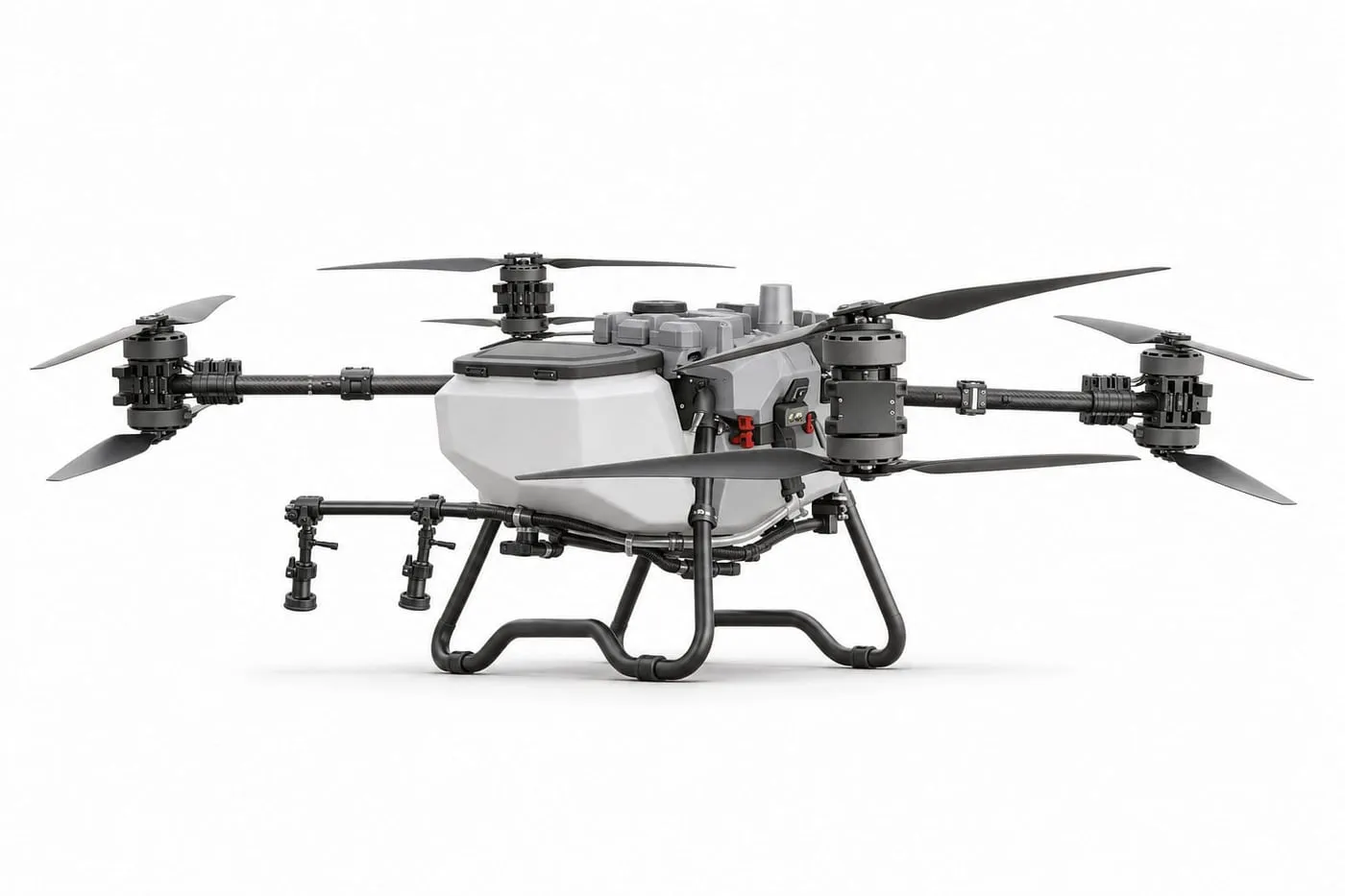
| Year end | Quote farms for Agri 100 or Agri 150 | Heavy machines for large fields |
What does ANAC require?
Secondary reports of NTA 36 (UAV Coach summarises it) list these points. They need checking against the original in the ANAC library:
- Drones above 250 g are registered, for a 24-month period, and the registration number shown on the aircraft.
- Registration is linked to the owner’s tax number (NIF), and valid third-party insurance is expected.
- Commercial operations need a Remote Operator Certificate, with applications made at least 90 days ahead.
- Importing a drone needs ANAC’s prior authorisation, small drones included.
The 2021 Civil Aviation Law (Lei 31/21) gave ANAC the national aviation regulatory role, which is why the dealer should deal with ANAC first. We found no official page on pesticide registration or import documents, so ask the agriculture ministry and your clearing agent.
Where do Angola’s farms sit?
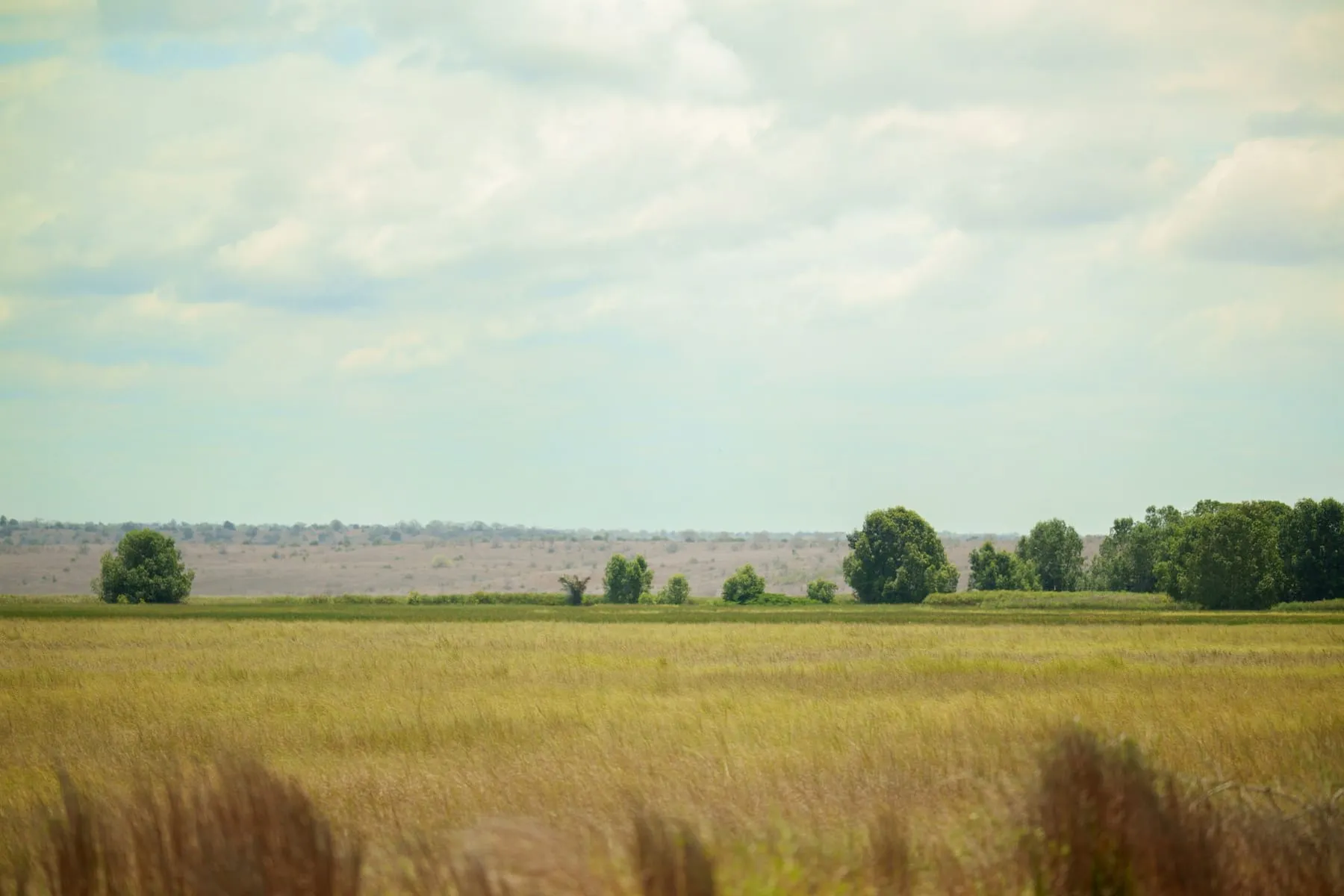
FAO places roughly half of national maize in Benguela, Bié and Huambo. A Dutch government study of the Caála logistics platform measured about 1.7 million hectares of cropland within 150 km and lists coffee, maize, bananas, cassava, tobacco and sisal among the crops. The same corridor carries Lobito, the deep-water port, and rail from Lobito toward the interior; the US trade agency reports the corridor runs about 1,300 km through four provinces toward the DR Congo and Zambia copper belt. Luanda still matters for paperwork and city customers, but the farm business is on the plateau.
How many drones does a large Angolan farm need?
Example (planning numbers): a 2,000 ha maize farm (example) with two sprays per season needs 4,000 ha of coverage. An Agri 150 is rated at 40 ha/h; at 4 flying hours a day and 60% efficiency that is about 96 ha per day, or around 42 flying days. With a 30-day spray window, you would want two machines or one machine plus a contractor. See the fleet-size guide for the method.
Is a local assembly line coming?
Local news and allAfrica reported in August 2026 that AMCHAM Angola’s chairman said a drone production line is possible if funding and local skills allow, perhaps with a body structure within 12 months. That is a business-chamber idea with no independent confirmation. A dealer should plan to import, train and service, and treat local assembly as upside.
What about the 2025/26 weather?
FAO reported rainfall about 50% below normal in the 2025/26 season and expected lower output, with the main harvest finishing in July. Dry years pressure farm cash, so a service model with per-hectare payment can be easier for farmers than buying a machine.
Terms for a first sample, pilot training and a parts kit are on the dealer programme page. For another southern-African logistics picture, read Mozambique.