Guides
Sugarcane Spraying Drones in 2026: Estate Contracts and Fleet Sizing
How sugarcane spraying drones earn in 2026: ripener, herbicide and foliar jobs, estate contract terms, a fleet-size example and South African co-op results.
- Prepared by
- DEWKITE Sales Team
- Published
- Reading time
- 3 min
- Sources
- 5
Key takeaways
- 1Three jobs carry a sugarcane drone business: ripener before harvest, herbicide on weed patches, and foliar or pest sprays once the cane is too tall for ground rigs.
- 2The ripener window is short, so estates buy for the peak week: a 100 L class machine covers about 78 ha a day in our estimate.
- 3Example: 3,000 ha of cane in a 10-day window needs about four Agri 100 machines or about eight 30 L machines.
- 4A KwaZulu-Natal co-op reported spraying costs 25 % below a tractor sprayer, though one co-op is not a promise for your area.
- 5Smallholders usually hire a service, which makes dealers who also run spray teams strong partners.
Contents
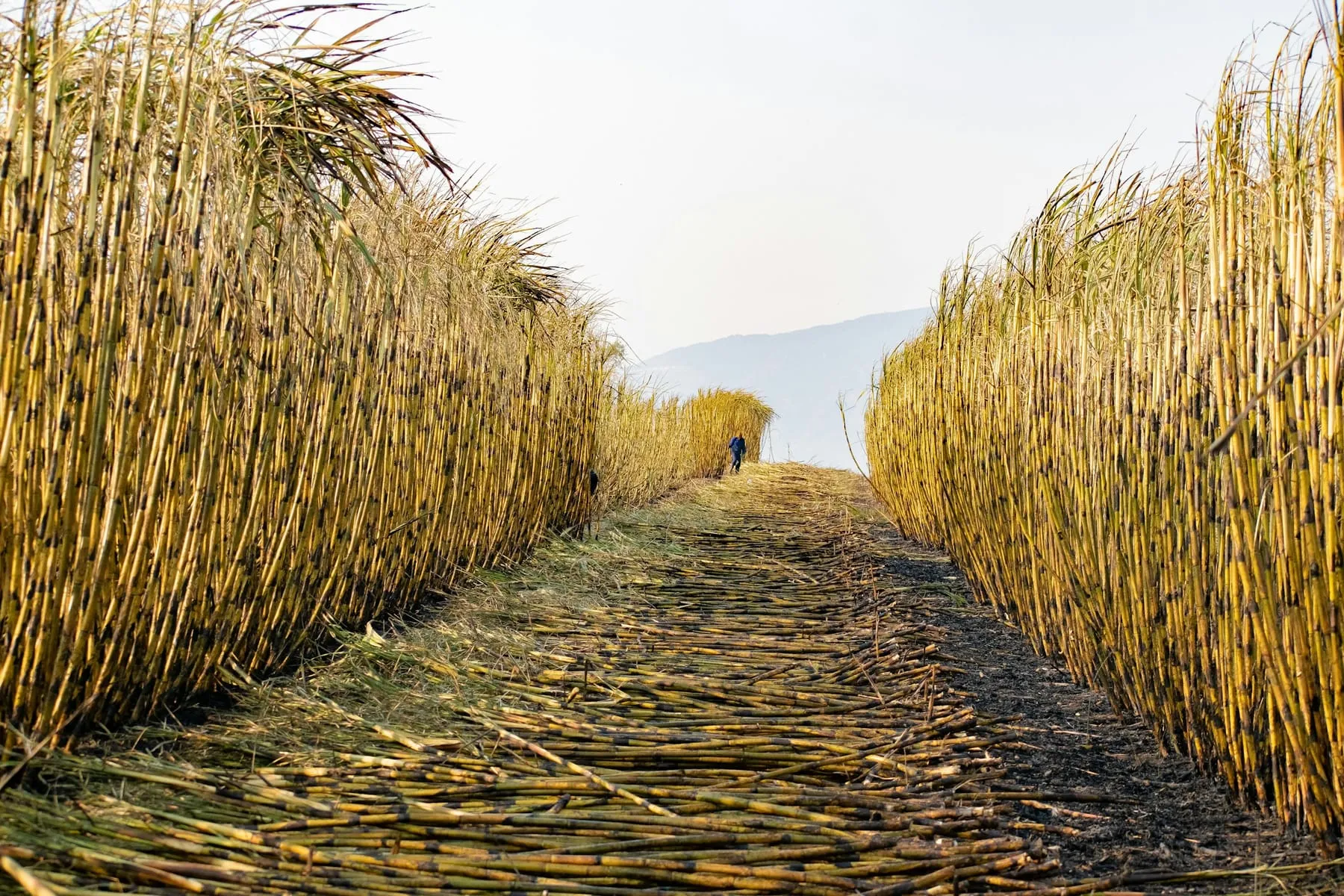
Short answer: A sugarcane drone earns from three jobs: ripener 6-8 weeks before harvest, herbicide on weed patches, and foliar or pest sprays once the crop is too tall for tractors. For a connected estate with a short ripener window, a 100 L class machine such as Agri 100 is the efficient choice; for smallholder co-ops, 30-50 L machines and a shared service model fit better.
How does the sugarcane job table look?
| Job | Timing | Why a drone | What to check | Risk |
|---|---|---|---|---|
| Ripener | Weeks before harvest | Cane too tall for tractors, tight window | Even coverage, tank size | Late spraying misses the window |
| Herbicide | Early cane | Treat only weed patches | Nozzle control | Drift to neighbours |
| Foliar, pest, fungicide | Tall cane | No ground access | Droplet size, downwash | Label and legal limits |
Agrolink reported in 2026 that Brazilian cane growers use drones for pesticides, fertiliser and ripener, with 30-40 L machines covering several tens of hectares a day and savings of 35-50 % on product (a reported industry figure).
How many drones does an estate need?
Example (estimate): an estate must ripen 3,000 ha inside 10 days. An Agri 100 with a 12 m swath works out at about 13 ha an hour (12 x 6 x 0.5 x 3.6), or 78 ha in a six-hour flying day and 780 ha over the window. That is 3,000 / 780, so 4 machines. A 30 L machine at a 6 m swath is about 6.5 ha an hour, 39 ha a day, 390 ha in the window, so about 8 machines. Add spare units for downtime.
| Machine | Ha per flying hour | Ha per day (6 h) | Ha in 10 days | Machines for 3,000 ha |
|---|---|---|---|---|
| Agri 100 | ~13 | ~78 | ~780 | ~4 |
| Agri 50 | ~8.6 | ~52 | ~520 | ~6 |
| Agri 30 | ~6.5 | ~39 | ~390 | ~8 |
How should an estate contract be written?
These are general market practices; terms are agreed case by case.
| Clause | Common options | Who carries the risk |
|---|---|---|
| Price | Per hectare, per hour or per season | Per hectare shares weather risk |
| Product | Estate supplies, or contractor supplies | Whoever buys the product |
| Records | Flight logs and spray records per field | Contractor |
| Window | Start and finish dates | Written penalty if missed |
In KwaZulu-Natal, an 80 ha smallholder co-op used a licensed drone contractor charging per hectare.
Does the drone pay back?
The Food For Mzansi report on that co-op: total spraying cost 25 % below a tractor sprayer, a yield gain of 6-12.5 t/ha, a 2 percentage point rise in ERC and a net benefit of R8,400/ha a year (R672,000 on 80 ha). It is one co-op’s report, so use it as a case, not a forecast. GreenCape published a related business case in December 2025.
What do the research bodies say?
LSU AgCenter’s 2020 trial found drone-treated plots had about 30 lb more sugar per ton after six weeks, close to aircraft and helicopter plots. It also noted 10-50 L tank sizes and 10-12 minute battery times in the drones it described, and required a commercial pesticide applicator licence and drift insurance in Louisiana. SASRI runs a drone ripening project with smallholders in KwaZulu-Natal and Mpumalanga.
Best for …
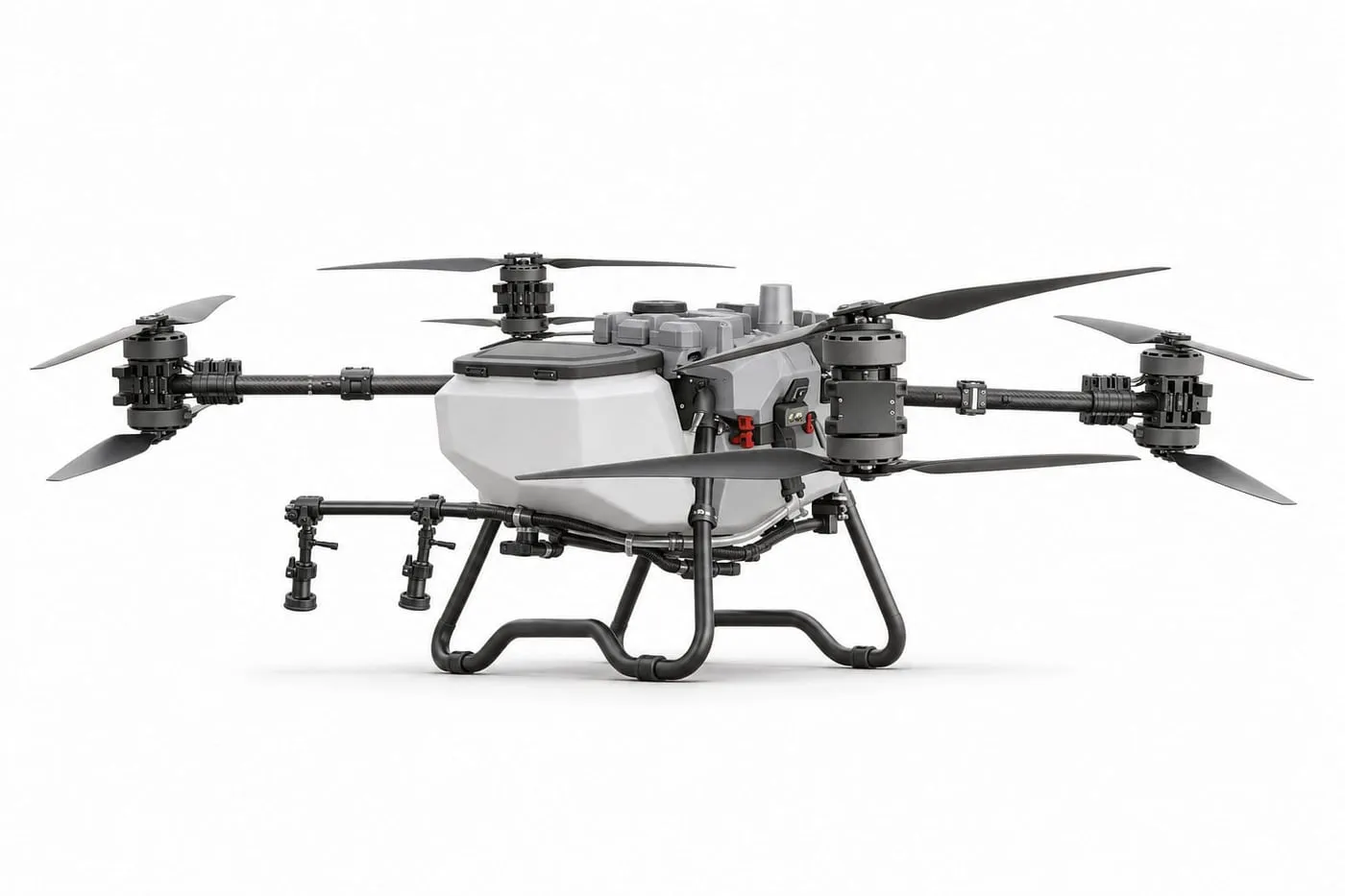
Best for large estates with one ripener window: Agri 100. Its eight rotors lift 100 L, and the rated 35 ha/h shortens the peak week.
Best for the biggest contractors: Agri 150. The largest tank in the range (150 L) means fewer refills per hectare, at a rated 40 ha/h.
Best for a co-op service point: Agri 50. A modest entry price, US$8,900-21,100, and 50 L that smallholder blocks can use.
For more on sizing a fleet, read agricultural drone fleet size. To price a service, see drone spraying cost per hectare and drone spraying service. Dealers can read about spare parts and training.
Questions dealers ask
- Can drones spray sugarcane?
- Yes. LSU AgCenter has trialled drone ripener on sugarcane since 2020, and in Brazil, drones are used on cane for pesticides, fertiliser and ripener.
- Can a drone apply sugarcane ripener?
- Yes. LSU's 2020 trial found the drone plots gave about 30 lb more sugar per ton than untreated cane after six weeks, close to aircraft and helicopter results. Follow the ripener label and local rules.
- How many drones does a sugarcane estate need?
- Divide the hectares by hectares per machine per day, then by the days in your window. In the example below, 3,000 ha in 10 days needs about four 100 L machines.
- Is drone spraying cheaper than a tractor sprayer or aircraft?
- One KwaZulu-Natal co-op reported total spraying costs a quarter below a tractor sprayer. For aircraft there is no single answer, so ask local operators for current rates.
- Do I need a licence to spray cane by drone?
- Almost always. In Louisiana, LSU lists a commercial pesticide applicator licence and drift insurance. Elsewhere, ask the aviation and crop-protection authorities.
References
- [1]Sprayer Drone Use and Utilization in Louisiana Agriculture. LSU AgCenter, 2024.
- [2]Pulverizacao com drones avanca nos canaviais. Agrolink, 2026.
- [3]Drone spraying cuts costs, boosts yields for KZN sugarcane co-op. Food For Mzansi, 2025.
- [4]The business case for precision drone spraying. GreenCape, 2025.
- [5]SASRI drone ripening project. South African Sugarcane Research Institute.