Guides
Solar Panel Cleaning with Drones in 2026: Is the Business Profitable?
Is a drone solar panel cleaning business profitable in 2026? Roof and ground-plant examples, per-panel and per-MW prices, water use and warranty limits.
- Prepared by
- DEWKITE Sales Team
- Published
- Reading time
- 4 min
- Sources
- 7
Key takeaways
- 1A solar cleaning drone business pays on roofs, carports, floating plants and hard-to-reach sites; on large ground plants the per-MW cleaning budget is low and crews or robots usually win.
- 2Example: a 100 kW roof priced at US$ 200 plus US$ 2 per panel earns about US$ 700 a visit, so two roofs a day is about US$ 1,400; a 20 MW ground plant at €0.09 per m² per wash earns about €670 per crew-day.
- 3A Spanish study puts the energy lost to dirt at about 3 % a year for one plant (about €2,700 per MW), which caps what an owner will pay to clean it.
- 4Module makers set a washing pressure limit, and the IEA warns that exceeding it may void a warranty, so confirm the limit before a high-pressure drone is used.
- 5Dealers sell this best to rooftop installers and O&M companies, bundled with a thermal inspection flight.
Contents
Short answer: A drone solar-cleaning business is profitable mainly on rooftops, carports, floating plants and hard-to-reach sites, where jobs are priced per panel. On large ground plants the cleaning budget per MW is low, and crews or robots are usually cheaper. In 2026 reference figures, a roof crew can earn about US$ 1,400 a day, while the same crew on a 20 MW ground plant earns about €670 a day.
The business account first: two jobs, one crew
Revenue per crew-day = jobs per day × price per job (roofs), or price per wash ÷ days needed (ground plants). All crew speeds and job counts below are example assumptions.
| Job | Pricing basis | Example sum | Revenue per crew-day |
|---|---|---|---|
| Commercial roof, 100 kW (about 250 panels of 400 W) | US$ 200 base plus US$ 2 per panel (a provider’s public price) | 200 + 250 × 2 = US$ 700 per visit; two roofs a day | about US$ 1,400 |
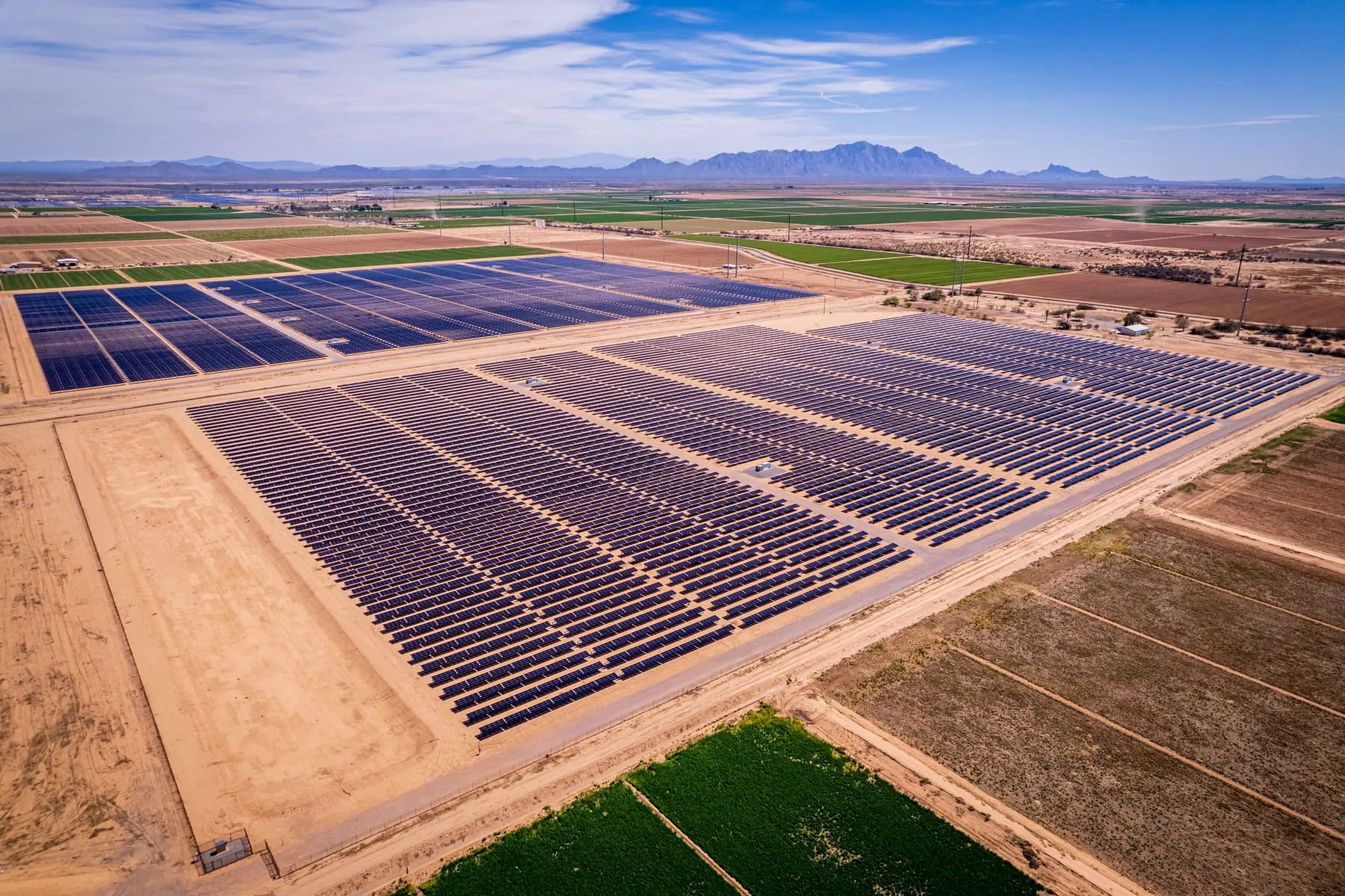
| Ground plant, 20 MW, four washes a year | €0.09 per m² per wash (Spanish study) | 20 MW × 5,464 m² per MW ≈ 109,000 m² ≈ €9,800 per wash; at 7,500 m² a day (1,500 m² per flight hour, five hours) that is about 15 days | about €670 |
The area per MW uses 0.183 kWp per m² (a 300 W, 1.64 m² module). The study itself quotes about €0.62 per kW per wash, which implies older, less efficient modules than today’s. Currencies differ, but at any recent EUR/USD rate the roof earns close to double per crew-day.
Is a solar panel cleaning business profitable?
Look at what each site type pays:
| Site type | How it is priced | Reference price | Source |
|---|---|---|---|
| Residential roof (drone) | Per panel | US$ 9 per panel, US$ 150 minimum | DronePower1 |
| Commercial roof (drone) | Base plus per panel | US$ 200 plus US$ 2 per panel | DronePower1 |
| Residential roof (conventional crew) | Per visit | US$ 129–149 up to 32 panels, US$ 2.50 each extra | Thumbtack, March 2026 |
| Large ground plant | Per m² per wash | €0.09 per m² (about €490 per MW) | Sandia and University of Jaén study |
Drones win where access is the cost: steep or fragile roofs, carports, water edges. They lose where rows are long, flat and reachable by truck.
How much do solar farms pay for cleaning per MW?
Less than most newcomers expect. In the Spanish model a 1 MW plant produces 1,748 kWh per kW a year clean and 1,691 uncleaned, a loss of 57 kWh per kW (about 3.3 %). At €0.04778 per kWh that is about €2,700 per MW per year. Four washes at about €490 cost €1,960, so the owner’s gain is thin, and no owner will pay more than the energy a wash recovers. The IEA reports global soiling losses were at least 3–4 % in 2018, and its 2025 fact sheet puts the growing average at 4–7 %, so budgets are higher in dusty regions, but the rule stays: wash only when a wash costs less than the energy it saves.
How much water does a solar cleaning drone use?
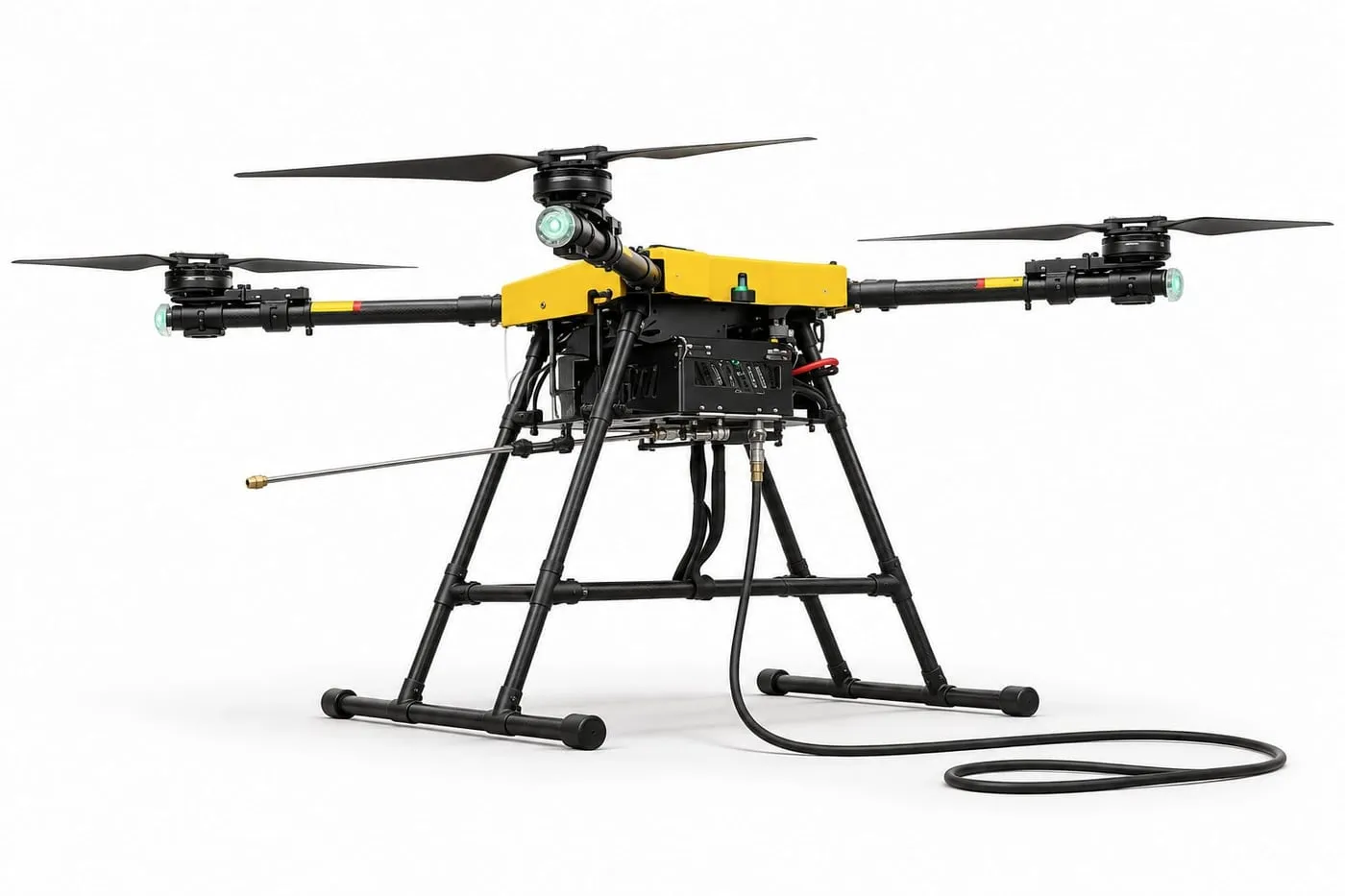
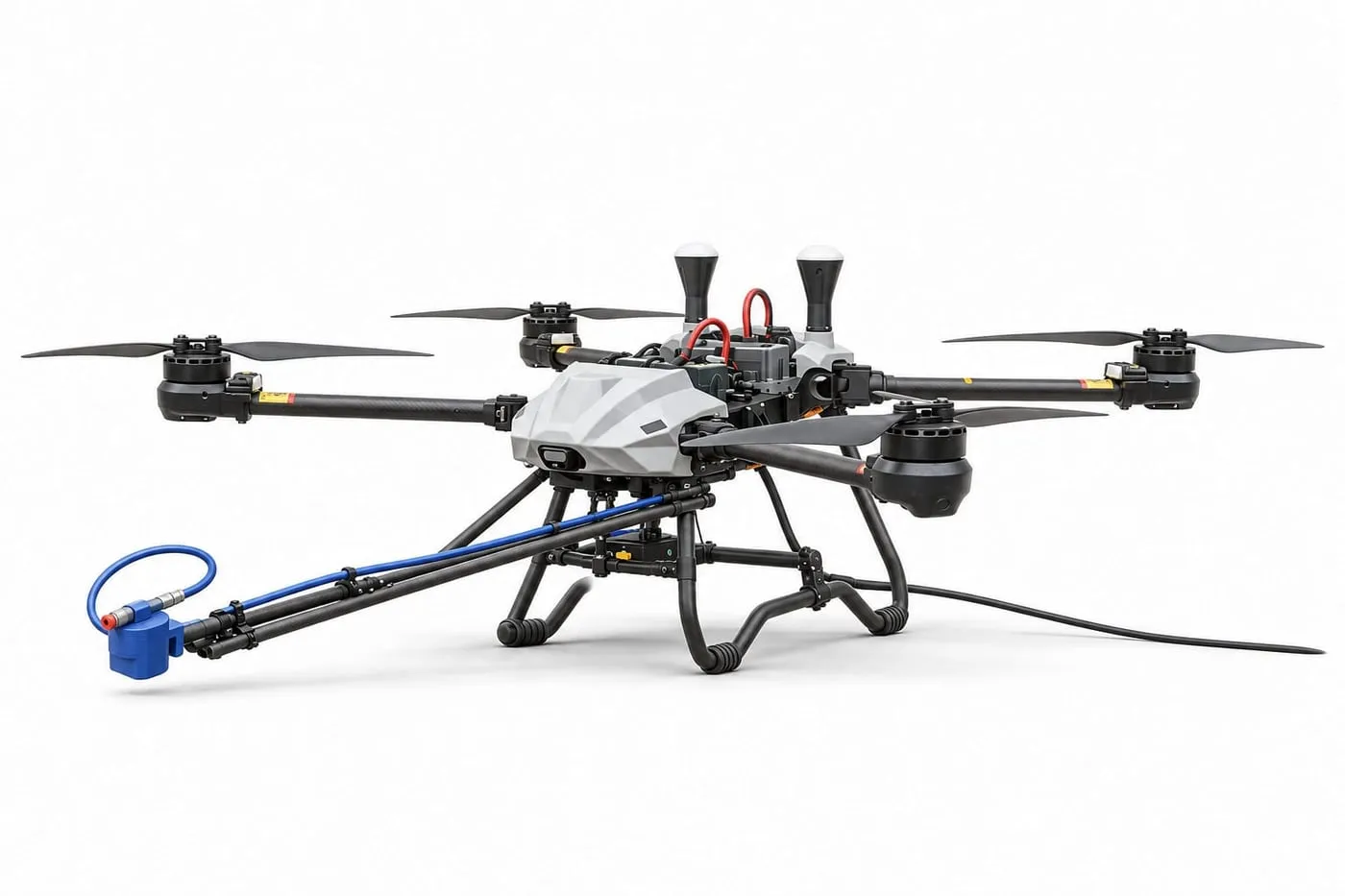
Panel washing dominates water use in photovoltaic operations. A US study using the Bureau of Land Management method estimated about 0.05 acre-foot per MW a year (about 63 m³), and literature figures run to a median of 26 gallons per MWh (about 98 L). For a drone, the hose-fed Clean 30P draws on your ground pump, the Clean 30T carries 30 L, and the Clean 65 carries 62 L. Litres per square metre: no reliable public figure; measure on a trial area. In temperate regions the IEA recommends rain or deionised water at a temperature close to the panel’s.
Can high-pressure washing void a solar panel warranty?
Possibly. The IEA notes that panel makers usually specify a maximum washing pressure and that warranties may be voided if it is exceeded. The Clean 30P is built for facades at 8–30 MPa; the Clean 30T works at 0.8–1.8 MPa. Neither is claimed here as safe for any module: get the maker’s limit in writing first, then set the nozzle and distance.
How should a dealer sell this?
- Start with rooftop installers and operations-and-maintenance (O&M) companies, who already hold the customer and the roof access, and offer to subcontract.
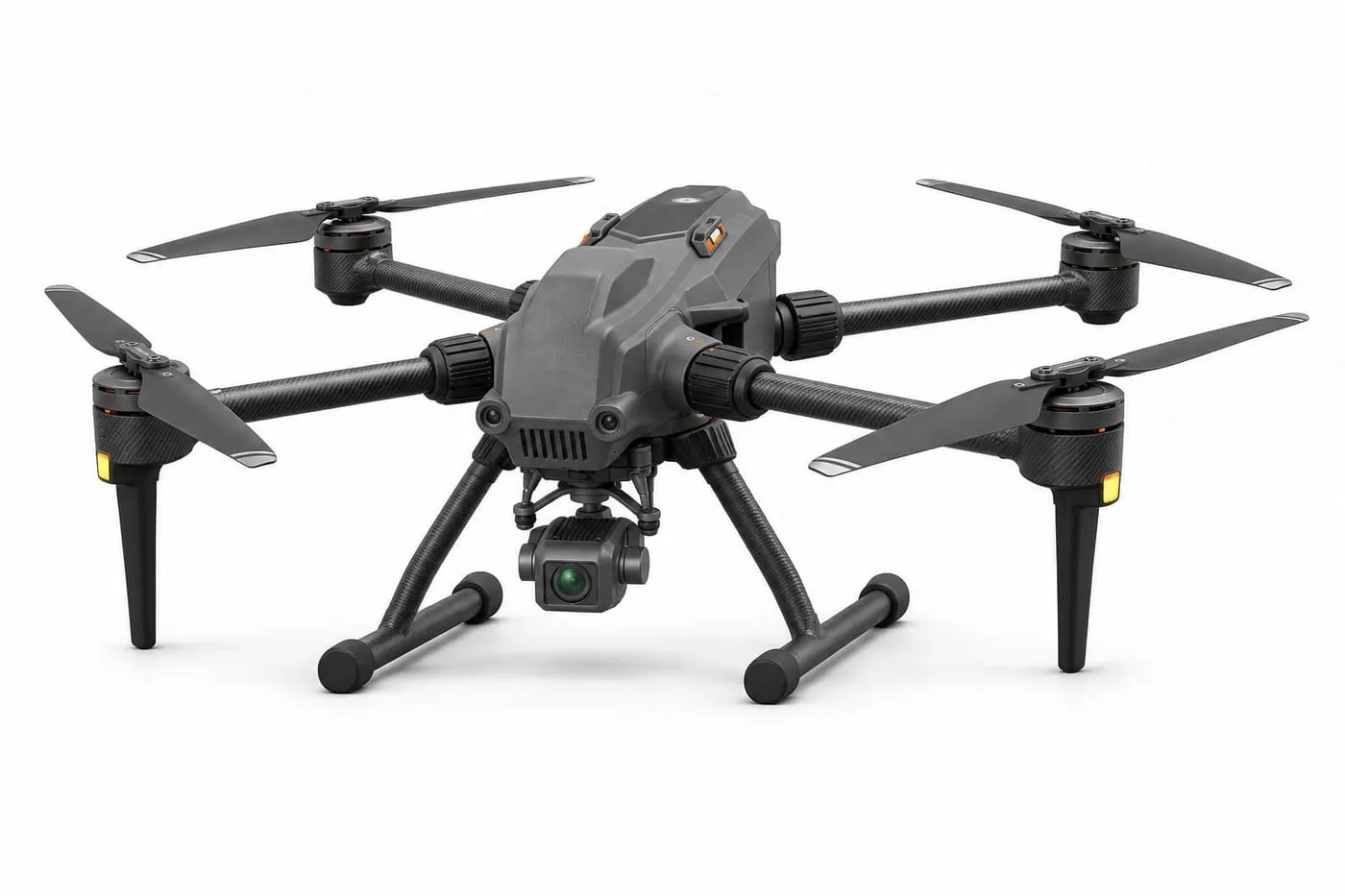
- Bundle a wash with a thermal inspection flight from a Vision 4, and read our inspection business guide.
- Offer a trial roof at a fixed price and keep the wash record (panels, minutes, litres).
- Compare the economics against robots in the drone vs robot guide, then set up a dealer account for training and parts.
Drones at 60 kg and 111 kg take-off weight also fall above the 25 kg line used in the EU and US, so confirm the licence class with your aviation authority.
Questions dealers ask
- Is a solar panel cleaning business profitable?
- It can be, but where you work matters more than the machine. Roof and carport jobs priced per panel give a good day rate; large ground plants pay little per MW per wash. Do the crew-day sum for each job type before you buy.
- Can I use a drone to clean solar panels?
- It can be done. Service companies fly cleaning drones over roofs, carports and hard-to-reach arrays, and the selling point is that nobody walks on or touches the glass. Before quoting, confirm the module maker's pressure limit and which licence class applies to the aircraft weight; the Clean 30 takes off at 60 kg.
- How much water does a solar panel cleaning drone use?
- The hose-fed Clean 30P draws whatever your ground pump delivers, while the tank versions carry 30 L (Clean 30T) or 62 L (Clean 65) per flight. Public sources give no litres per square metre for drones, so run a trial strip and log the litres. A Sandia study puts all panel washing at a US plant near 63 m³ per MW a year.
- How often should solar panels be cleaned?
- There is no fixed number. The IEA gives once or twice a year with water for rainy, temperate sites, and nightly dry cleaning at some desert plants. Set the schedule by weighing the cost of a wash against the output it recovers.
- Is drone solar panel cleaning cheaper than cleaning robots?
- Only at low wash counts. Robots cost more up front and pay back when a plant is washed very often; drones and crews suit sites washed a few times a year. See our drone vs robot comparison.
References
- [1]Southern California Drone Solar Panel Cleaning. DronePower1.
- [2]2026 Solar Panel Cleaning Costs. Thumbtack.
- [3]Photovoltaic Cleaning Frequency Optimization Under Different Degradation Rate Patterns. Sandia National Laboratories and University of Jaén.
- [4]Soiling Losses: Impact on the Performance of Photovoltaic Power Plants (T13-21:2022). IEA PVPS Task 13.
- [5]Fact Sheet Task 13/16: Soiling. IEA PVPS.
- [6]Techno-Economic Assessment of Soiling Losses and Mitigation Strategies for Solar Power Generation. Joule / DLR.
- [7]Water Use and Supply Concerns for Utility-Scale Solar Projects in the Southwestern United States. Sandia National Laboratories.