Guides
Starting an Agricultural Drone Training Centre: Licences, Capacity and Fees (2026)
How to open an agricultural drone training centre in 2026: who approves courses, course types, class capacity, an example fee and break-even count.
- Prepared by
- DEWKITE Sales Team
- Published
- Reading time
- 3 min
- Sources
- 4
Key takeaways
- 1A training centre earns from pilot courses, technician courses and refreshers, and it brings buyers who need to be trained to the dealer.
- 2Check first who approves training in your country: some regulators recognise only authorised training bodies, and some countries have separate rules for spraying.
- 3Example class: 8 trainees, 2 practice drones, 4 flight hours each, US$ 450 a head; the class makes about US$ 2,150 after costs and breaks even at 4 trainees.
- 4In the United States, drone spraying work involves three papers: a remote pilot certificate, a Part 137 certificate and a state applicator licence.
- 5Teach to the regulator's syllabus first, then add the machine-specific skills customers pay for.
Contents
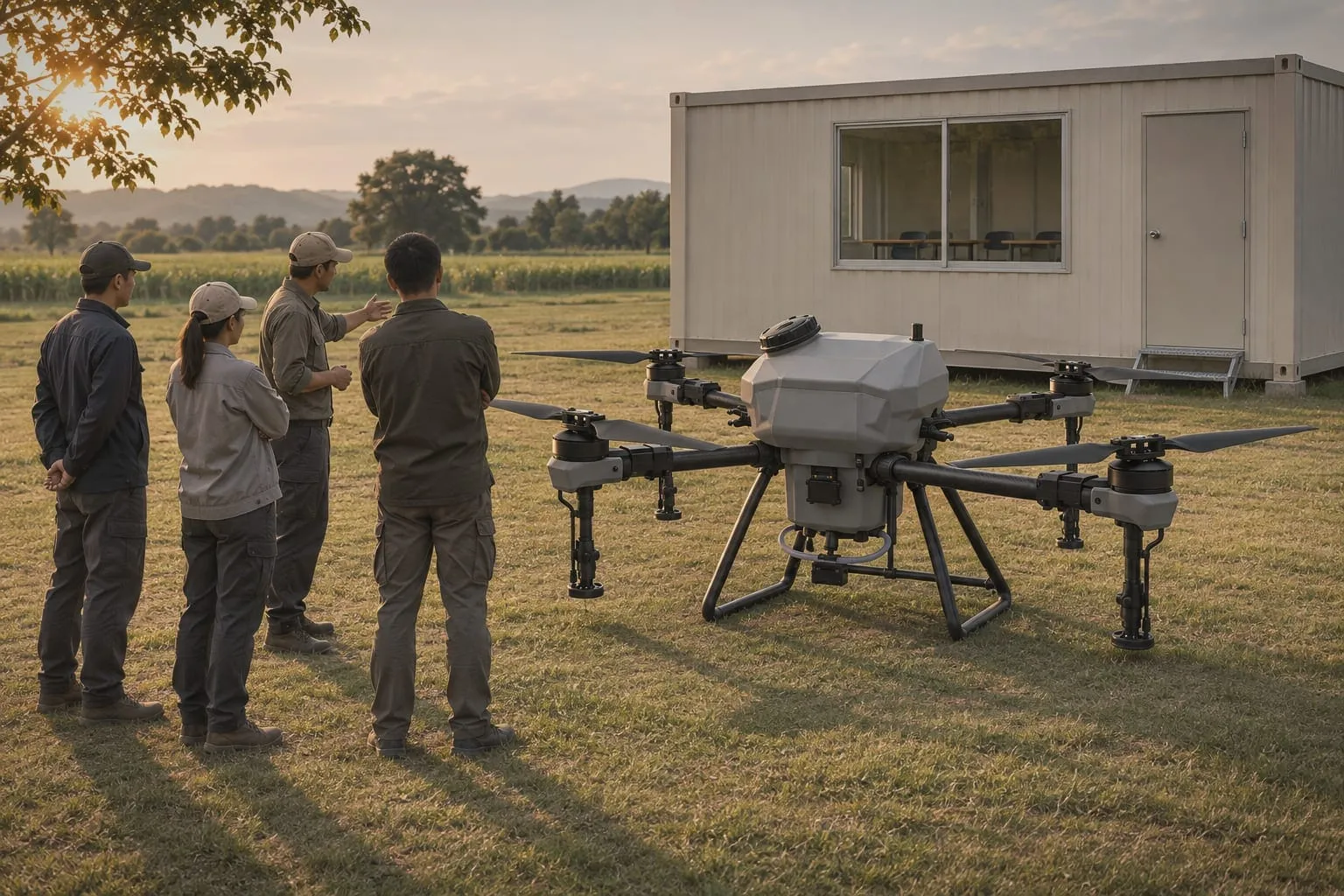
Short answer: An agricultural drone training centre is a classroom, a practice field, two or more practice drones and an approved syllabus. In our 2026 example, a class of 8 trainees at US$ 450 each makes about US$ 2,150 after costs and breaks even at 4 trainees. The first job is not buying drones but finding out who approves training in your country.
What does one class earn? An example
All numbers are examples; replace them with local costs.
| Line | Example (US$) | Note |
|---|---|---|
| Fees, 8 trainees × 450 | 3,600 | Two-day class |
| Instructor, 2 days | −300 | 150 a day |
| Assistant and safety officer | −200 | |
| Crash and wear parts | −400 | Training drones hit the ground |
| Battery wear | −150 | |
| Venue and refreshments | −200 | |
| Insurance | −100 | |
| Certificates and admin | −100 | |
| Class result | 2,150 |
Break-even = costs ÷ fee = 1,450 ÷ 450, about 3.2, so 4 trainees. Capacity check: 8 trainees × 4 flight hours = 32 hours; with 2 practice drones that is 16 hours each, or 8 hours a day over two days. That is a full day for each machine, so more trainees need more drones, not more time.
Who approves an agricultural drone training centre?
This is the question that decides whether your certificates are worth anything. The sources we could open describe the United States: a New Mexico State University publication lists a remote pilot certificate (minimum age 16, a knowledge test, background checks and refresher training every 24 months), a Part 137 certificate for chemical dispensing and a state pesticide applicator licence. In other countries, confirm with your civil aviation authority and your crop-protection regulator: ask who may deliver the course, what hours and syllabus are required, and who issues the certificate. India’s DGCA and the Philippines’ CAAP and FPA, for example, are the bodies to ask in those markets.
DJI states that its Academy covers more than 20 countries with over 40 schools and 1,800 authorised instructors (the company’s own figures), which shows training can be a licensed network business. A US college lists a two-credit agricultural drone applications course, and a farms.com guide lists operators offering hands-on classes.
Which courses should I offer?
| Course | Length (example) | For | Notes |
|---|---|---|---|
| Pilot basics | 1–2 days | New operators | Rules, safety, manual flight |
| Spray operation | 2 days | Operators and farm staff | Mission planning, calibration, spreading, clean-up |
| Technician | 2–3 days | Dealer and service staff | Faults, motors, pumps, batteries |
| Refresher | Half day | Existing operators | New firmware, rule changes |
For what each syllabus should teach, see the pilot training guide. This page is about running the centre.
What equipment does it need?
| Item | Example |
|---|---|
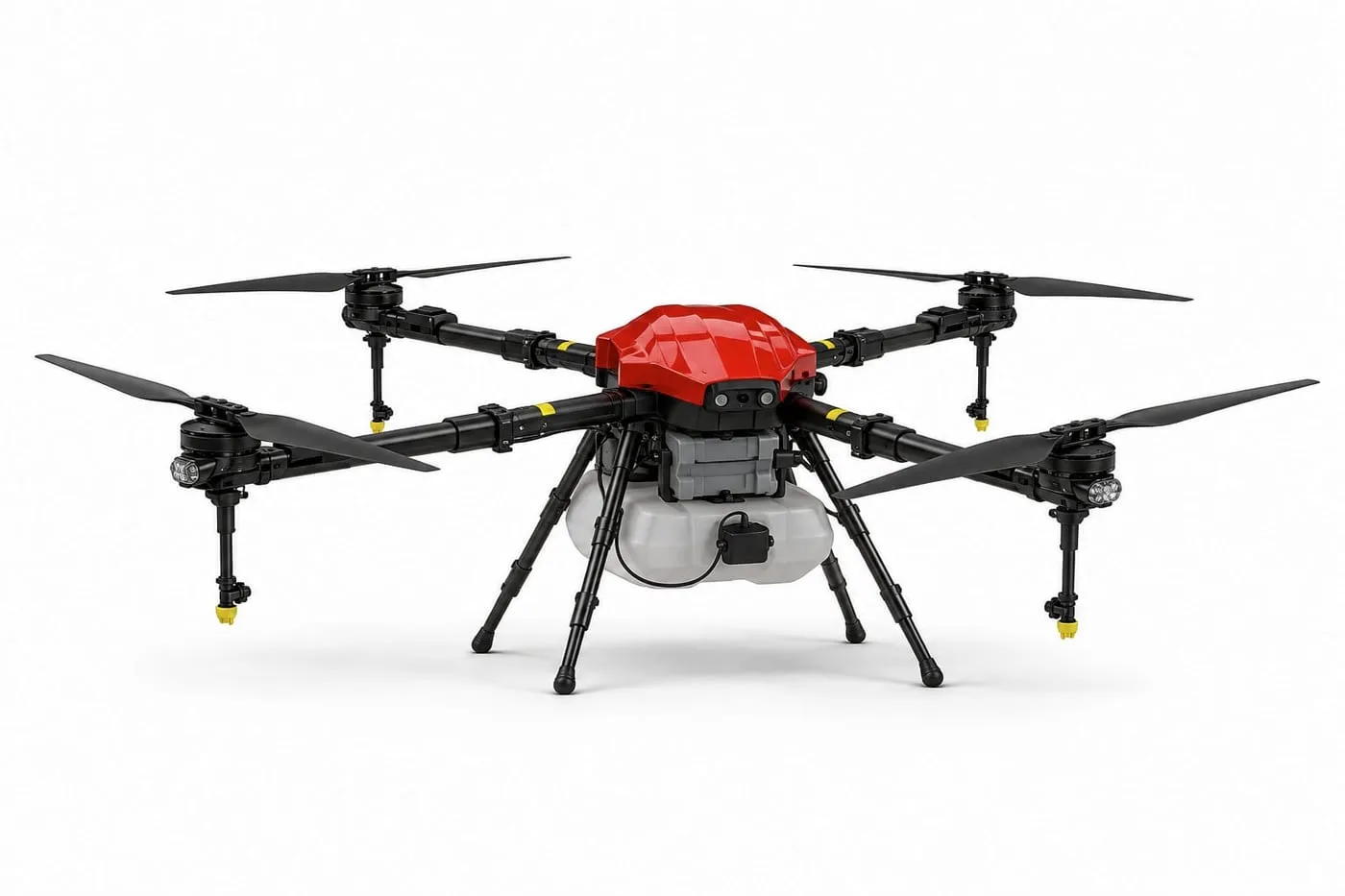
| Practice drones | 2 per class of 8; a small machine like the Agri 10 / Agri 20 or Agri 30 |
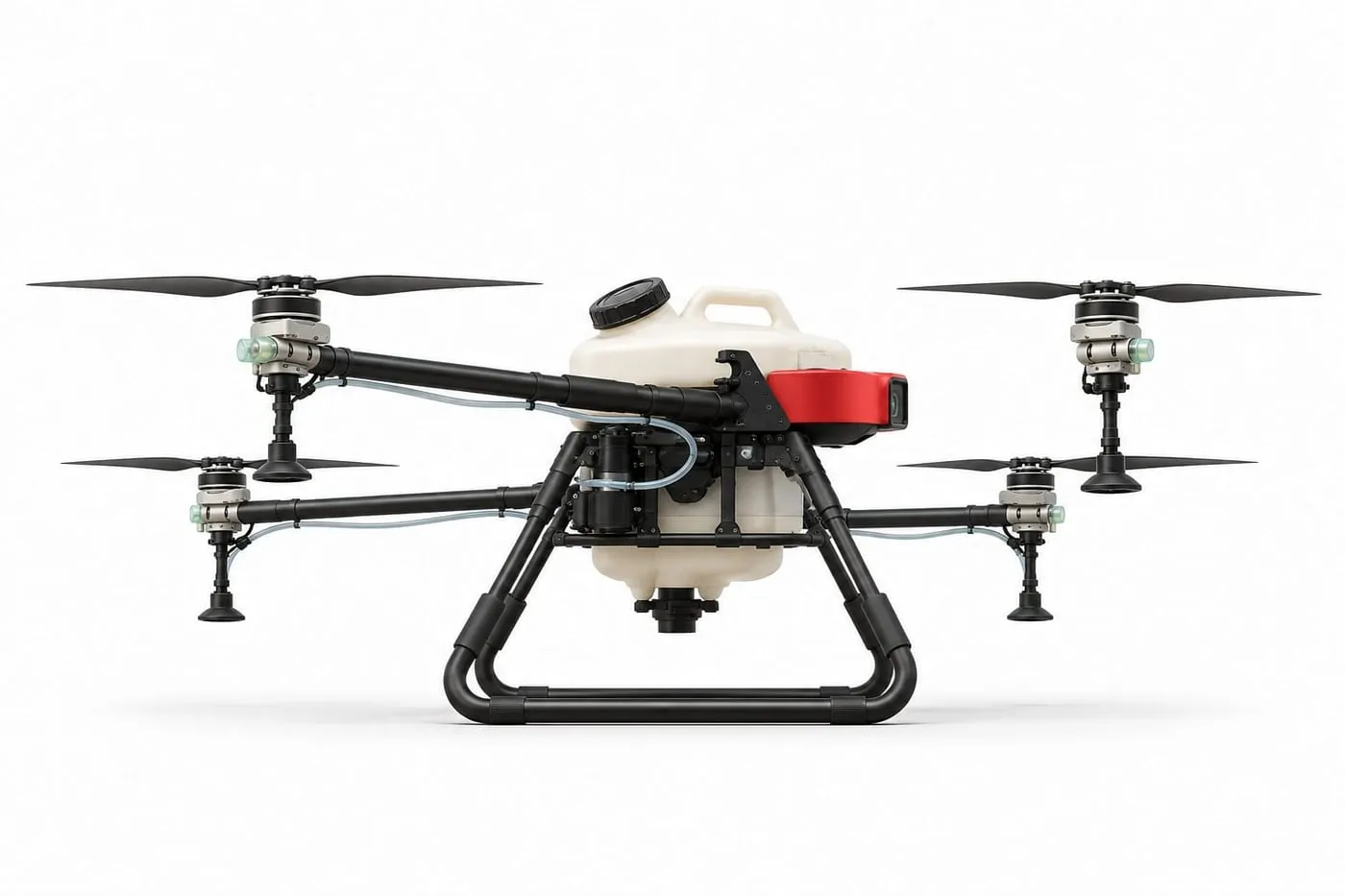
| One full-size machine | An Agri 50 so trainees see the real tank, pump and spreader |
| Batteries and charging | Enough for a full morning of flying |
| Classroom | A room or container with a screen and tables |
| Field | Flat, clear, away from people and lines |
| Safety kit | Cones, first-aid, fire blanket, battery cabinet |
How does a training centre help a dealer?
Trained buyers fly better, crash less and bring better results to your next demo. Training is listed in the dealer programme as part of what DEWKITE supplies, and a training centre can become a second income line next to sales and service.
Questions dealers ask
- How much does it cost to learn to fly an agricultural drone?
- Fees vary by country and course length. A farms.com guide to US courses describes two-day hands-on classes covering setup, calibration, maintenance and pre-flight checks, with different providers charging different prices; check each provider.
- Do I need regulator approval to open a training centre?
- It depends on the country. Some regulators accept only authorised training bodies, so ask your civil aviation authority and agriculture regulator what a course must include and who certifies it before you advertise.
- How many drones does a training centre need?
- Two practice drones for a class of eight is a workable ratio in our example, plus spare batteries and a reserve airframe for crash days. A small machine such as the Agri 30 is cheaper to crash.
- Should I teach spraying with real chemicals?
- Keep practice runs to clear water. If a course ever includes product, it needs a licensed supervisor and must follow the label and local rules.
- Who is the best customer for a training centre?
- Buyers of your own drones, spray service companies hiring new pilots, farm staff and young people entering the sector.
References
- [1]DJI Academy. DJI Agriculture.
- [2]Agriculture Drone Applications. Northcentral Technical College.
- [3]A Complete Guide to U.S. Drone Spraying Courses. Farms.com.
- [4]Chemical Applicator Drones in Agriculture: Regulatory Requirements. New Mexico State University.