Short answer: In Tanzania the Tanzania Civil Aviation Authority (TCAA) sorts drone owners into three groups, and a dealer sits in the third: resellers and suppliers must apply for a TCAA import permit before the drone ships, or it is confiscated at the point of entry. Customers then register the drone and the pilot and apply for an operating permit. Pesticides belong to the Tanzania Plant Health and Pesticides Authority (TPHPA), and in February 2026 the government began using agricultural drones itself.
Three kinds of owner, three sets of papers
| Who you are | What TCAA asks for | Detail from the TCAA page |
|---|---|---|
| Resident buying a drone abroad | Import permit, drone registration, pilot registration, operating permit | Handled through TCAA’s online system |
| Resident buying a drone in Tanzania | Drone registration, pilot registration, operating permit | A resident who sells a drone on must notify TCAA |
| Reseller or supplier (you) | Import permit before the drone ships | Without it the drone is confiscated at the point of entry |
Applications go through the online system on TCAA’s drone page. Email drones@tcaa.go.tz first to open an account; a company supplies its name, address, the drone model and what it will be used for. The page was last updated on 19 October 2026, and we quote no fees because they change.
What does my customer have to do after buying?
Three things, and they belong on a one-page handover sheet: register the drone with TCAA, register the pilot, and apply for an operating permit. A customer who sprays also needs products registered in Tanzania. A dealer who delivers that sheet with the machine saves the customer a visit to the authority and keeps the first flight legal.
Who registers pesticides in Tanzania?
The TPHPA, not the aviation authority. It was set up by Act No. 4 of 2020, which merged the agriculture ministry’s plant protection division with the former TPRI, and its services include pesticide registration and the registration of pesticide businesses. Separately, the Tanzania Bureau of Standards runs pre-shipment verification of conformity (PVoC) and destination inspection; ask it which applies to drones, chargers and batteries.
Who buys, and when do they spray?
| Crop | Who to talk to | What we could verify |
|---|---|---|
| Cashew | Cashewnut Board | The Daily News report of 3 February 2026 names it as a partner in the government drone launch |
| Sugarcane | Sugar Board of Tanzania | Its site lists Kilombero (Illovo), Moshi, Bagamoyo and other mills |
| Cotton | Tanzania Cotton Board | New 2026–2027 season; a quality-control laboratory in Shinyanga |
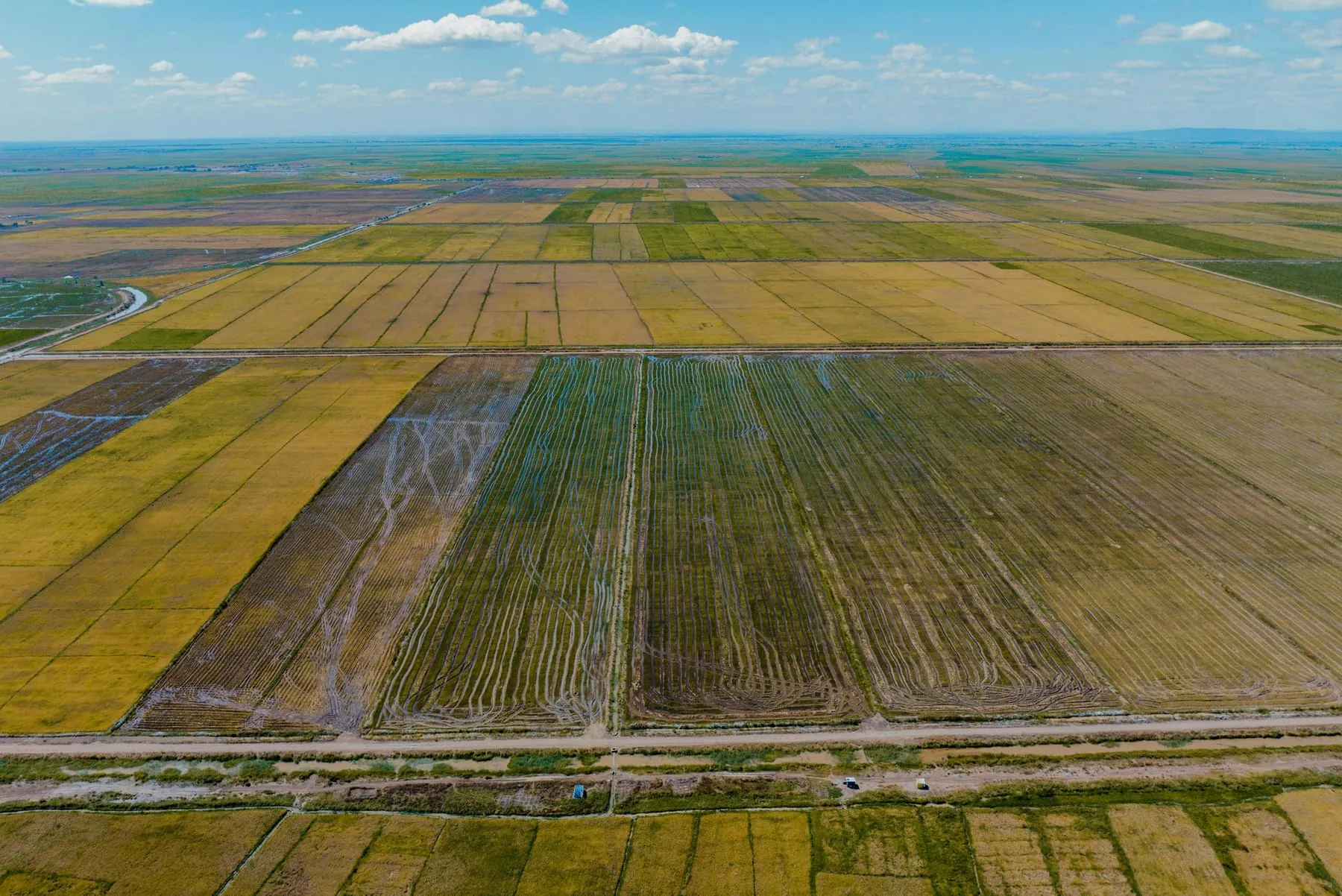
| Rice and maize | Farm cooperatives and large farms | Dodoma and Mbeya together produce close to 20% of national cereals (FAO) |
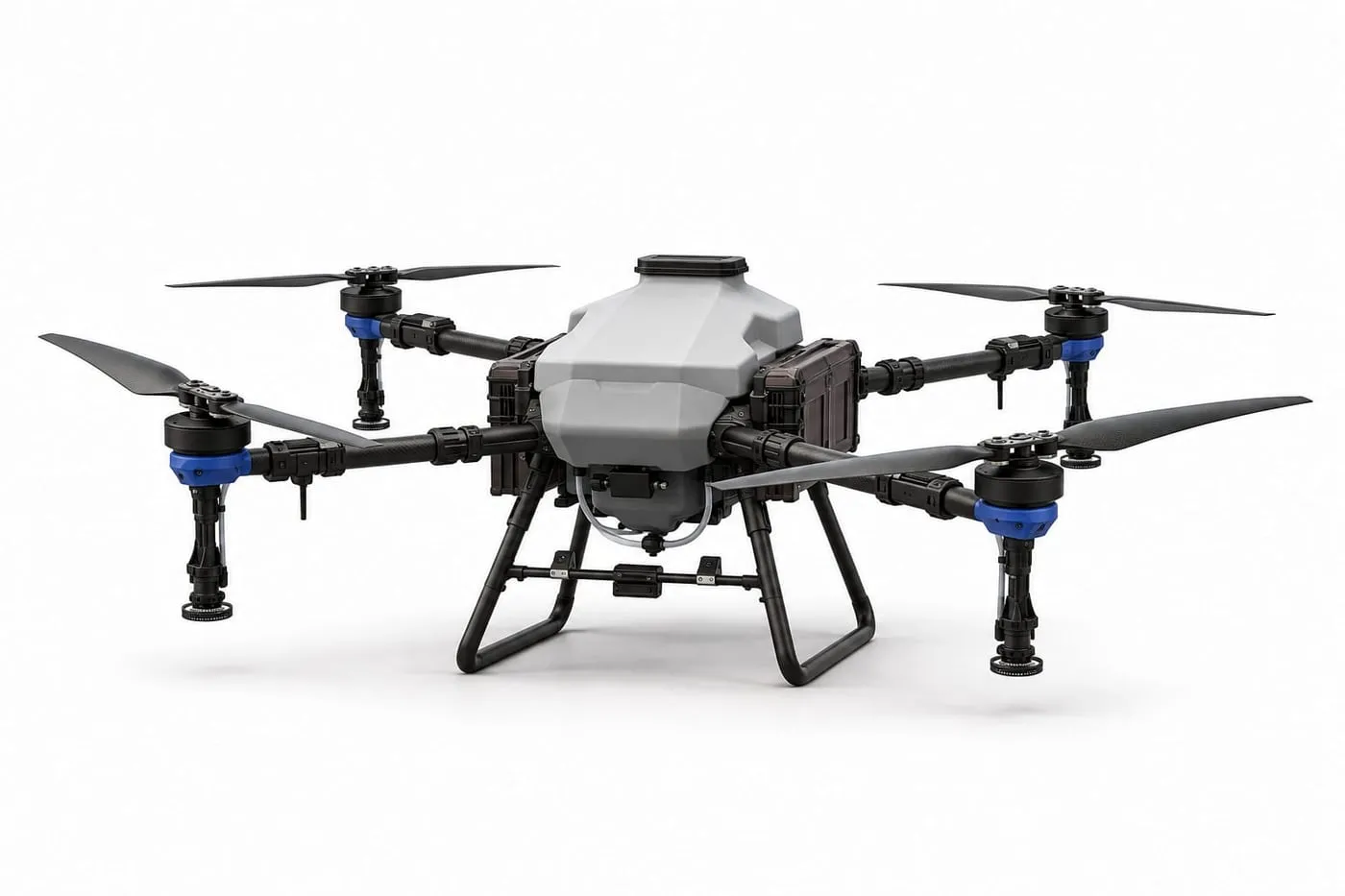
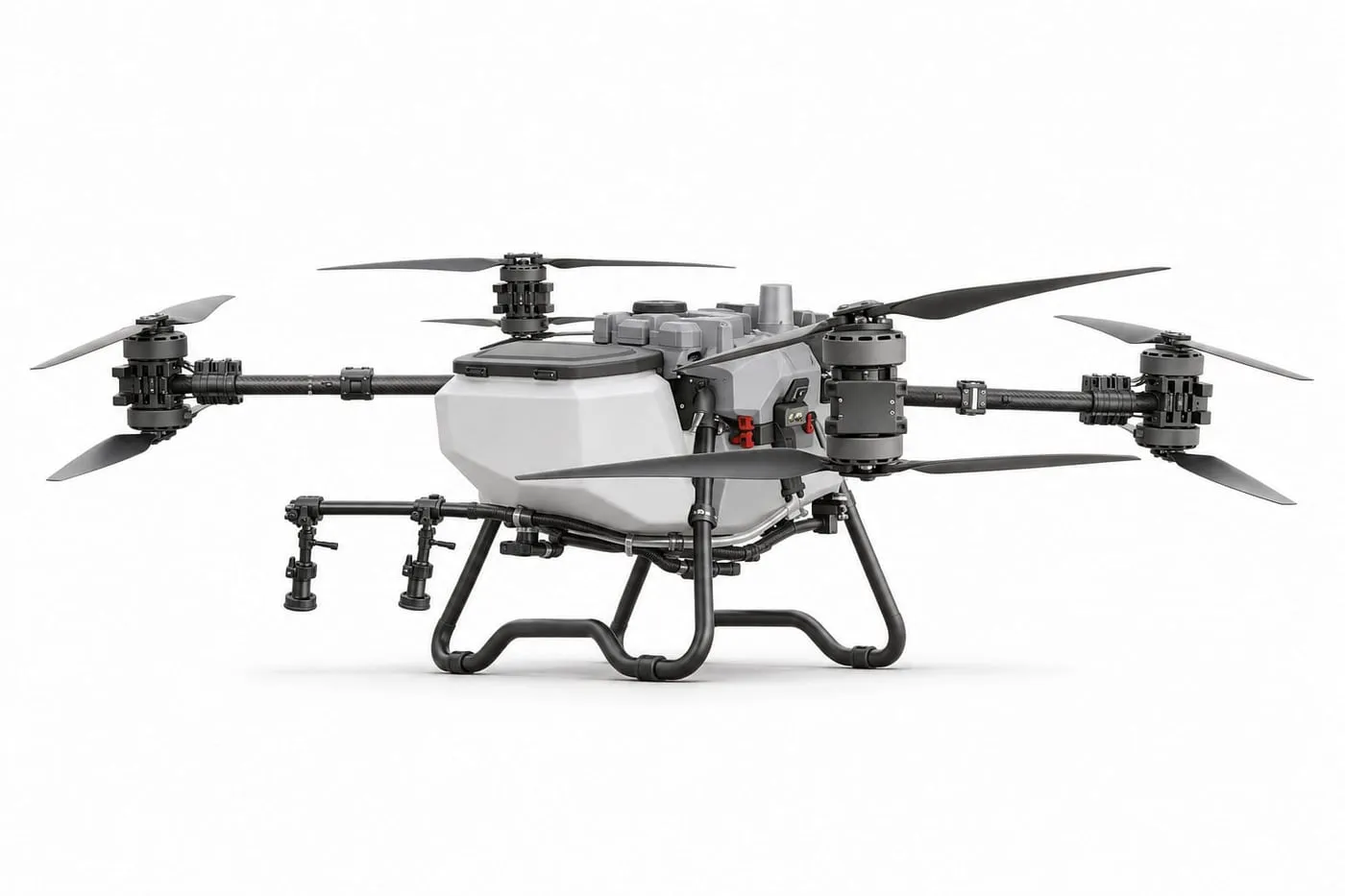
FAO describes two seasonal patterns. The north, north-east and coast have Masika crops planted in February to March and harvested from July to August; the centre and south have one Msimu rainy season, usually November to April, and the 2026 harvest was done by the end of June. For large sugarcane or estate blocks look at the Agri 150; for mixed farms the Agri 50. Our fertiliser spreading guide covers the second job a drone can do.
Is the government a buyer?
Yes, and it is public. On 3 February 2026 the Daily News reported the launch of agricultural drone use in Dar es Salaam. A ministry official described a machine with a 60-litre tank or a 60 kg dry load and an 8 m swath, and the drones went to TARI, with the Cashewnut Board, COPRA and the ministry’s agricultural mechanisation unit as partners. Public buyers tend to use tenders, so read our tender guide before you bid.
Example: one Agri 60 landing at Dar es Salaam
Example: the order of events for one demo Agri 60 (the hybrid Agri 60H is the option where charging power is short). Planning only, not a quote.
- Email TCAA for an online account and apply for the import permit with company details, model and purpose.
- Place the order only when the permit is issued.
- Ship to Dar es Salaam, a Tanzania Ports Authority sea port and the gateway of the Central Corridor.
- Ask TBS whether pre-shipment verification or destination inspection applies.
- Clear customs with the Tanzania Revenue Authority through your clearing agent.
- Hand the customer the registration and operating-permit sheet.
Money line: FOB US$ 10,400–31,500, about TZS 27.8–84.1 million at 25 Nov 2026 rates, for reference; freight, duty and VAT come from your clearing agent’s written quote.
The East Africa guide compares Tanzania with its neighbours, our Kenya page shows how a second market looks, and the dealer program covers the first order.