Short answer: Spray drones sell across Southeast Asia in 2026, mainly into rice, oil palm and orchards, but there is no regional licence: each country has its own civil aviation authority and its own pesticide rules. The best-documented example is the Philippine Drones4Rice programme, which shows how subsidies create demand. For an importer, the smart first step is to pick one country, not the whole region.
How do the six countries compare?
| Country | Aviation authority | Main crops for drones | What to look for first |
|---|---|---|---|
| Philippines | CAAP | Rice | Government voucher programmes; Department of Agriculture rules |
| Indonesia | Directorate General of Civil Aviation | Oil palm, rice | Estate contracts; local rules near homes |
| Vietnam | Civil Aviation Authority of Vietnam | Rice, fruit | Agriculture ministry guidance on drone plant protection |
| Thailand | CAAT | Rice, fruit, sugarcane | Registration of aircraft and pilots; service providers |
| Malaysia | CAAM | Oil palm, rice | Which pesticides may be applied by drone |
| Cambodia | State Secretariat of Civil Aviation | Rice | Confirm with the national authority |
Only the authority names are listed here. Rule details change and some are reported second-hand, so confirm each one with the authority before you plan a shipment.
What does Drones4Rice teach importers?
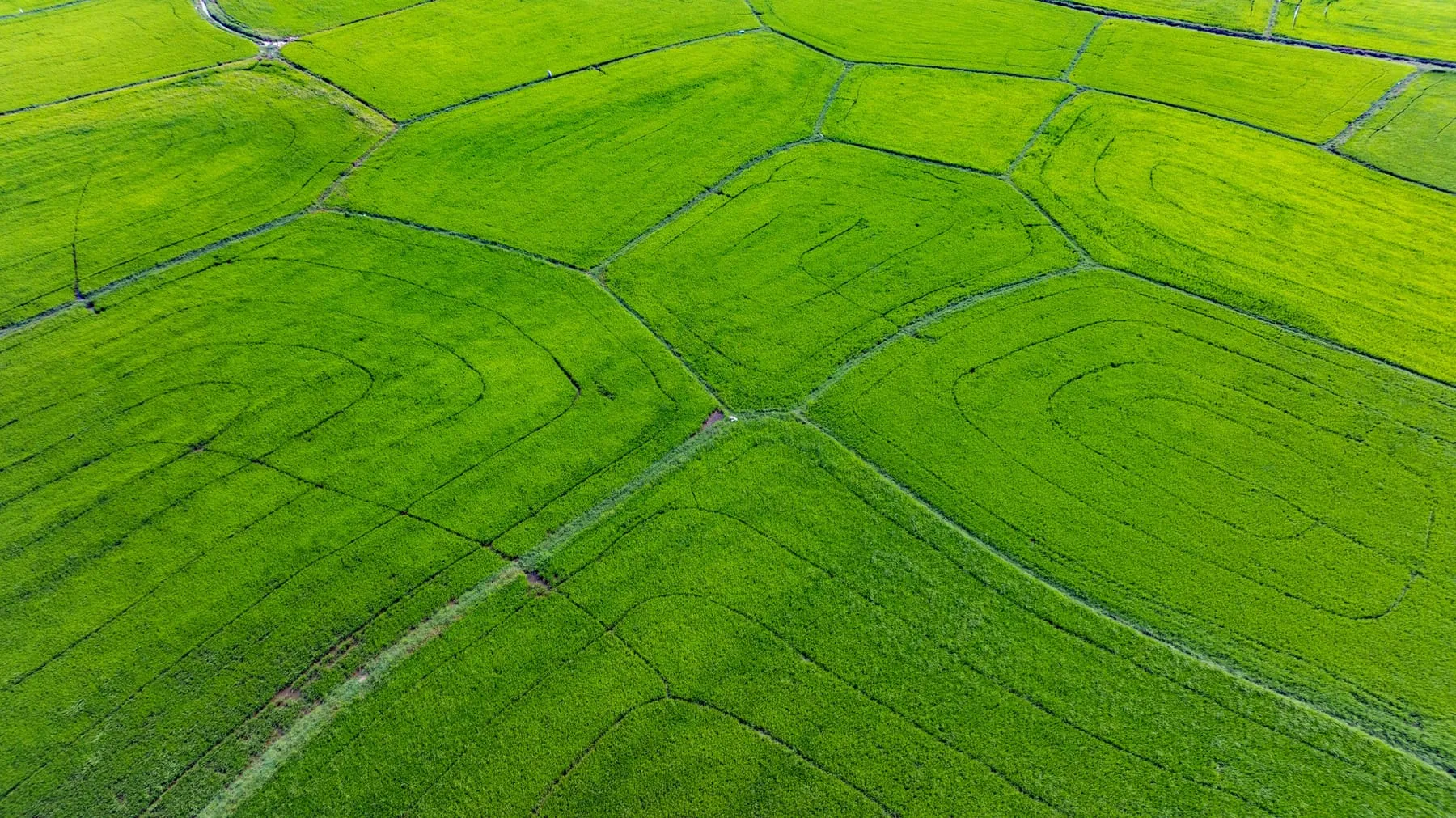
The Philippine Department of Agriculture allotted P300 million for drones in rice production in late 2024. A voucher of about P2,000 per hectare covers a share of a job that costs roughly P8,000 per hectare, and the first target was at least 150,000 hectares, with about 20,000 reported covered early on, mostly in National Irrigation Administration areas. A SEARCA policy brief from 2026 argues that land consolidation and simpler rules would help small rice farmers get access.
Lesson for dealers: government-backed spraying creates contract demand for service operators, which then buy drones. Sell to the operators, not to individual smallholders.
How much rice can one drone cover? (example)
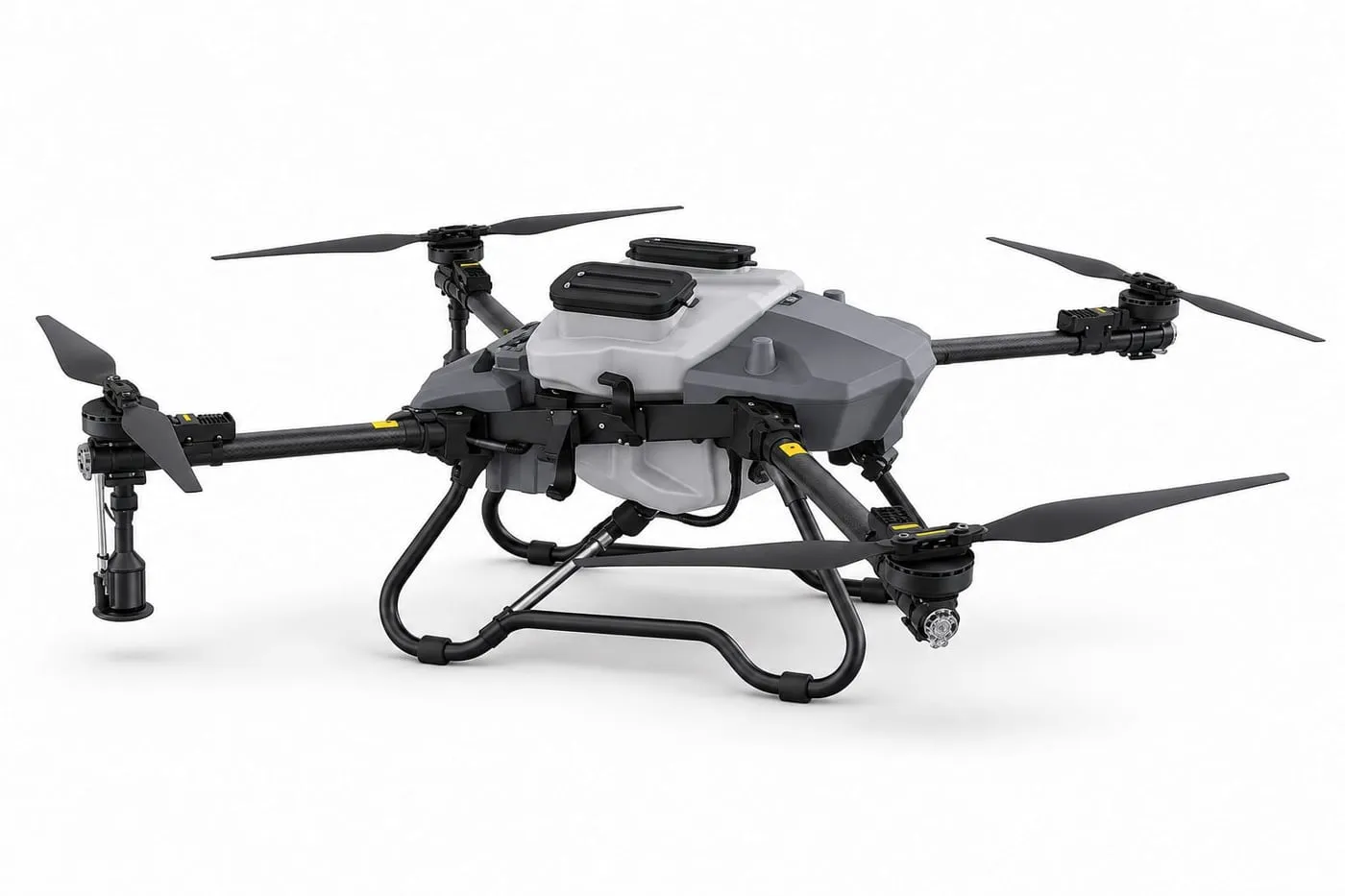
Example for a rice contractor: an Agri 50 lists a work rate of 22 ha/h on its product sheet. Assume 50% of that, 11 ha/h, in real paddies. Over 6 working hours that is 66 ha a day; at 20 spray days a month, about 1,300 ha per month per drone. At a voucher-supported rate near P2,000 per hectare, revenue for those hectares is roughly P2.6 million a month before costs. These are example assumptions, not forecasts, and the voucher rate applies only inside the programme.
Which first market should an importer pick?
Rank countries with four questions:
- Are the rules clear enough to apply for permits within weeks?
- Is there a subsidy or large buyer that pays for hectares?
- Is the crop area close to one port or one cluster of farms?
- How many dealers of the big brands are already there?
A country that scores well on the first two questions beats one with only a large crop area. Do not use market-size reports for this; their numbers contradict each other and rarely cite sources.
Which drone fits which crop?
| Crop | Field type | Suggested class |
|---|---|---|
| Rice paddies | Small bunded plots | Agri 30 to Agri 50 |
| Rice and spreading | Seed and fertiliser jobs | Agri 30R / 50R |
| Oil palm estates | Large blocks with tall trees | Agri 100 and above |
| Orchards | Mixed terrain | 30–40 L machines |
How do dealers get started?
Use our dealer program: one demo unit, training for pilot and technician, and a parts kit. Local partners with a farm-service network matter more than the drone brand.