Short answer: Yes, you can sell agricultural spray drones and run a spraying business in Colombia in 2026, but two systems apply. Aerocivil controls the aircraft, the operator and the pilot under RAC 100, and ICA controls which pesticides may be used. Palm, coffee and rice give the biggest crop areas, and most drones on offer come from dealers of one big brand, so a second brand with heavy-lift models, parts and training has room to grow.
The first-year account (example)
| Stage | What happens | Example spend (US$) |
|---|---|---|
| Months 1–2 | Register the company; ask Aerocivil how to register the aircraft and certify operator and pilot; pick a supplier | 1,500–3,000 |
| Months 3–5 | Ship one demo set: drone, batteries, charger, generator, parts; clearing agent confirms import paperwork | 18,000–30,000 landed |
| Months 5–6 | Train one pilot and one technician; run free trial blocks on three or four farms | Often included by supplier |
| Months 7–9 | Paid spraying contracts with palm nuclei, rice growers or coffee estates | Earns back part of the demo cost |
| Months 10–12 | First order of two to four drones plus a parts kit | Depends on mix |
All figures are planning examples, not quotes. Our dealer program explains how samples, training and parts fit together.
Who buys agricultural drones in Colombia?
| Crop | Scale | Why drones fit | Suggested class |
|---|---|---|---|
| Oil palm | 609,000 ha planted at the end of 2024; 74% of the 8,000-plus growers are small | Tall trees and spread-out plots; many small growers share service providers | Service companies with 100–150 L machines |
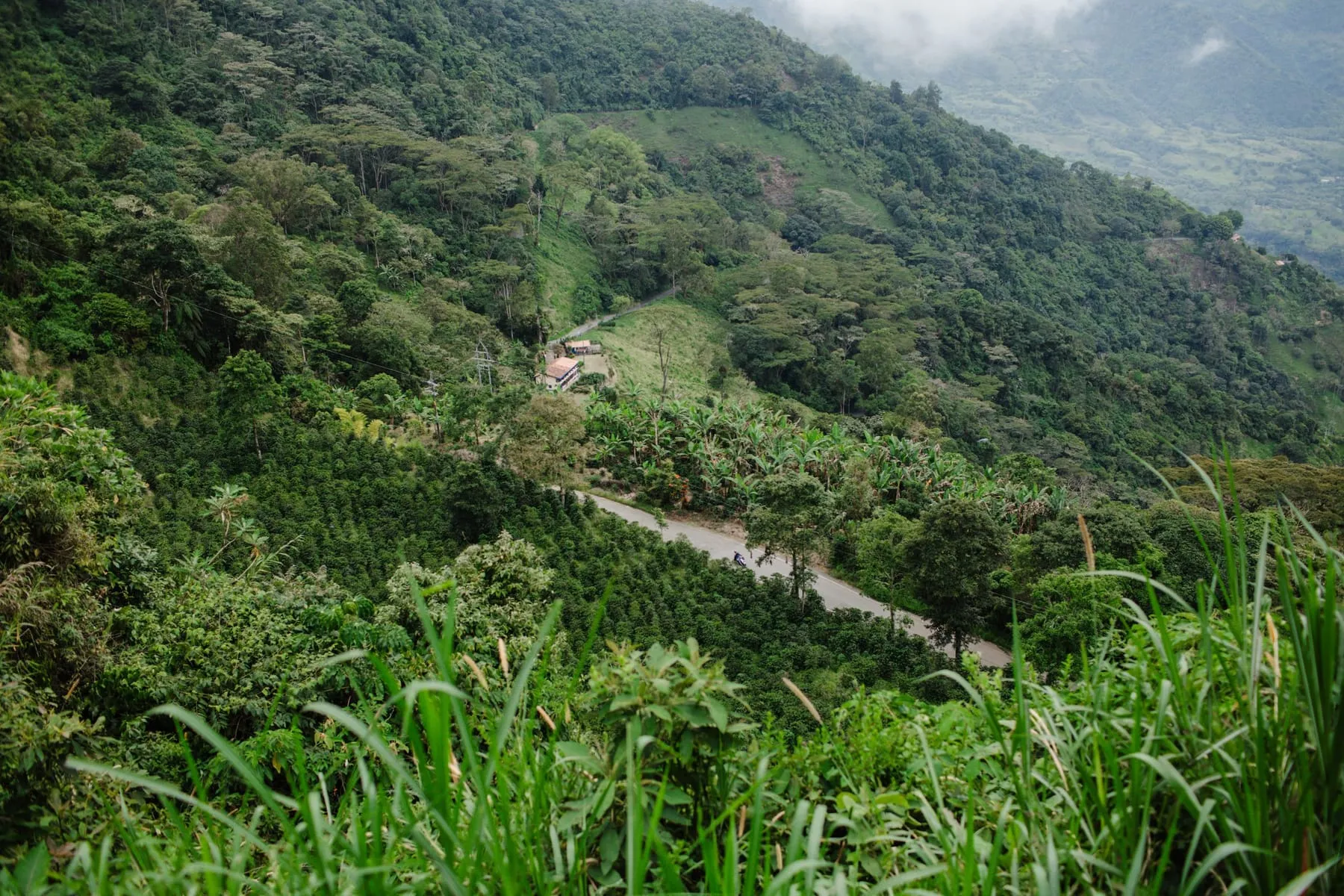
| Coffee | About 840,000 ha in the 2020 count | Steep slopes where knapsack spraying is slow and tiring | 30–40 L machines |
| Rice | About 536,000 ha of mechanised rice in the 2020 count | Flat, flooded fields with short windows between sprays | 50–100 L machines |
| Bananas and flowers | Concentrated regions | Frequent spraying cycles, tight timing | 30–50 L machines |
The palm figures come from Fedepalma; the coffee and rice figures come from a 2020 press report, so treat them as older numbers.
What do Aerocivil and ICA require?
Start with the authority that owns each part of the job:
| Topic | Who | What to ask |
|---|---|---|
| Aircraft registration | Aerocivil, UAS platform | How to register each drone under the current RAC 100 guidance |
| Operator and pilot | Aerocivil | Operator certificate, pilot certificate, and the spraying add-on; insurance and manual requirements |
| Pesticides | ICA | Whether each product is registered for the crop and for aerial application |
| Import | Clearing agent, customs | Import registration, tariff code, batteries and generator; confirm with your clearing agent |
Aerocivil publishes its drone registration circulars on its site, and ICA publishes the register of pesticides. Do not rely on a dealer’s summary; read both.
How long does 50 hectares take? (example)
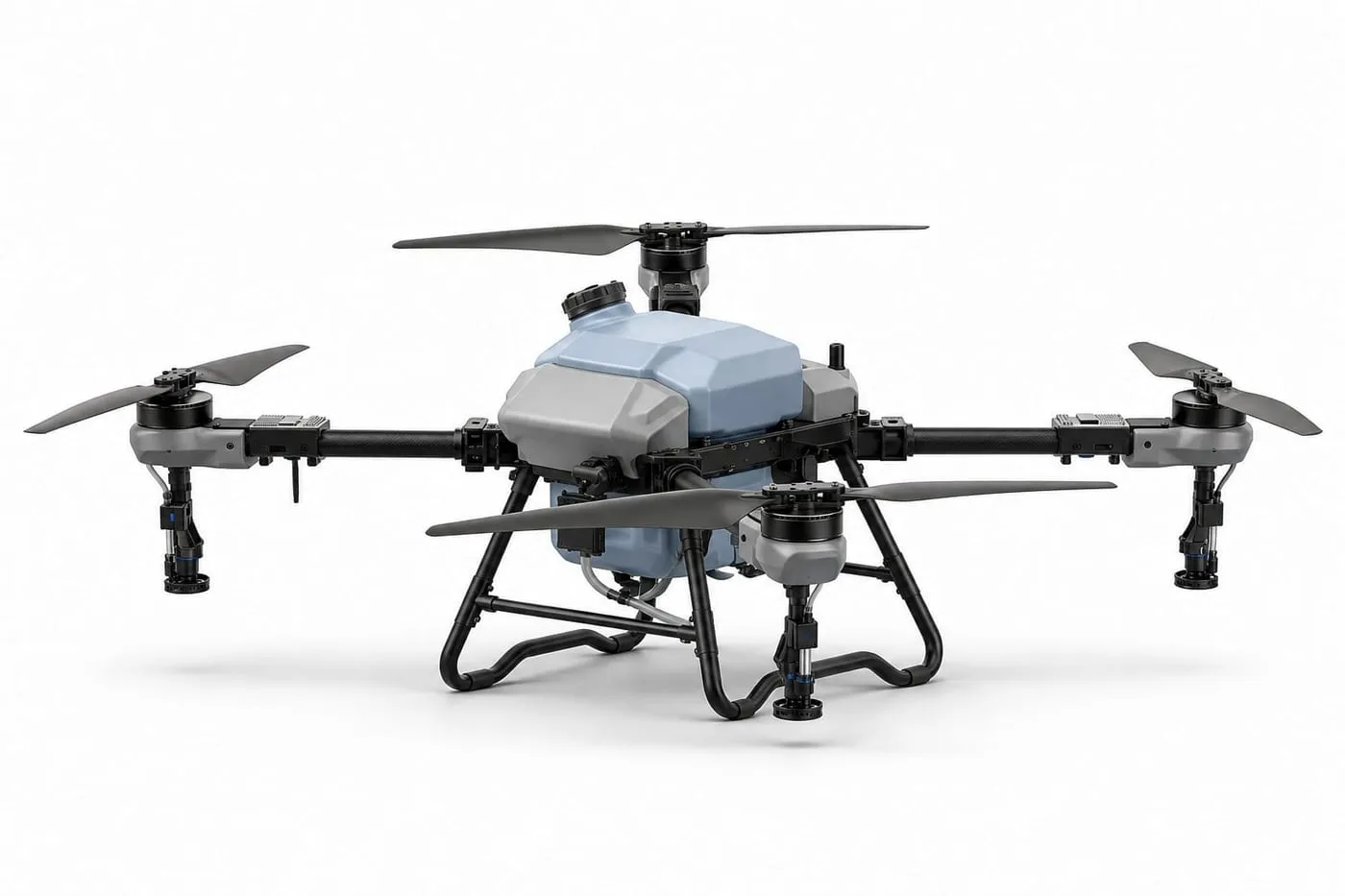
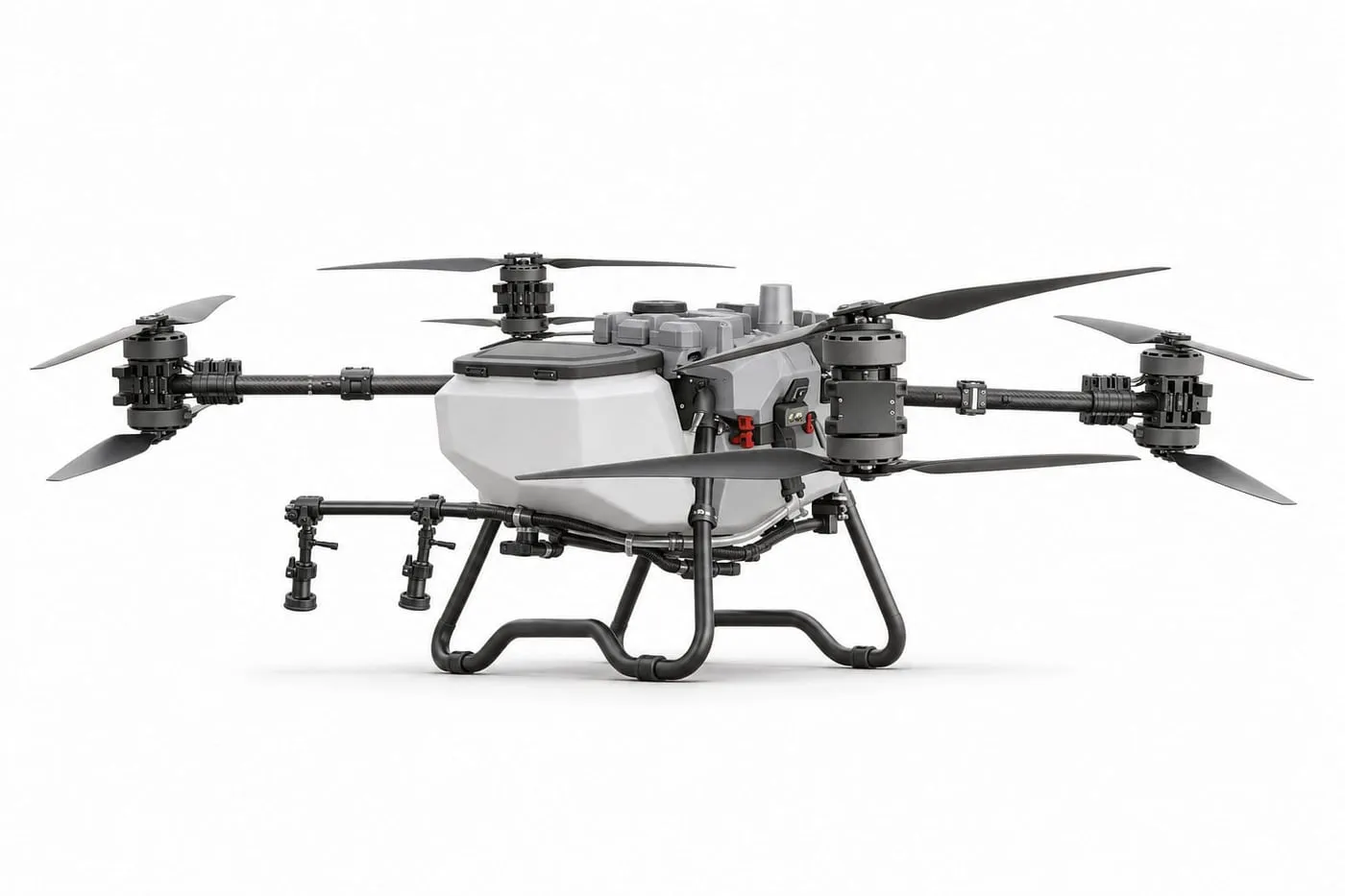
A 100 L class machine such as the Agri 100 lists a work rate of 35 ha/h on its product sheet. That is a best case, so assume half in real fields once refills, battery swaps and turns are counted. Example: 50 ha ÷ 17.5 ha/h ≈ 3 hours of work for one crew. A 30 L drone such as the Agri 30 at 8–12 ha/h would need about five hours on the same block, but it can reach hillside plots a big machine cannot.
Where is the dealer gap?
Search results for agricultural drones in Colombia are almost all local dealers of one big brand. That is a proven market, and it also shows what is missing: a second brand, heavy-lift machines for palm and rice, and a parts and training offer that is easy to buy. A dealer can fill that with a parts shelf, a pilot course and demo days at palm nuclei and coffee cooperatives. See spare parts for what a service desk stocks.
What to do next
Book a call about dealer terms, ask for a demo drone quotation, and talk to Aerocivil and ICA before the shipment leaves. DEWKITE sells from one unit.